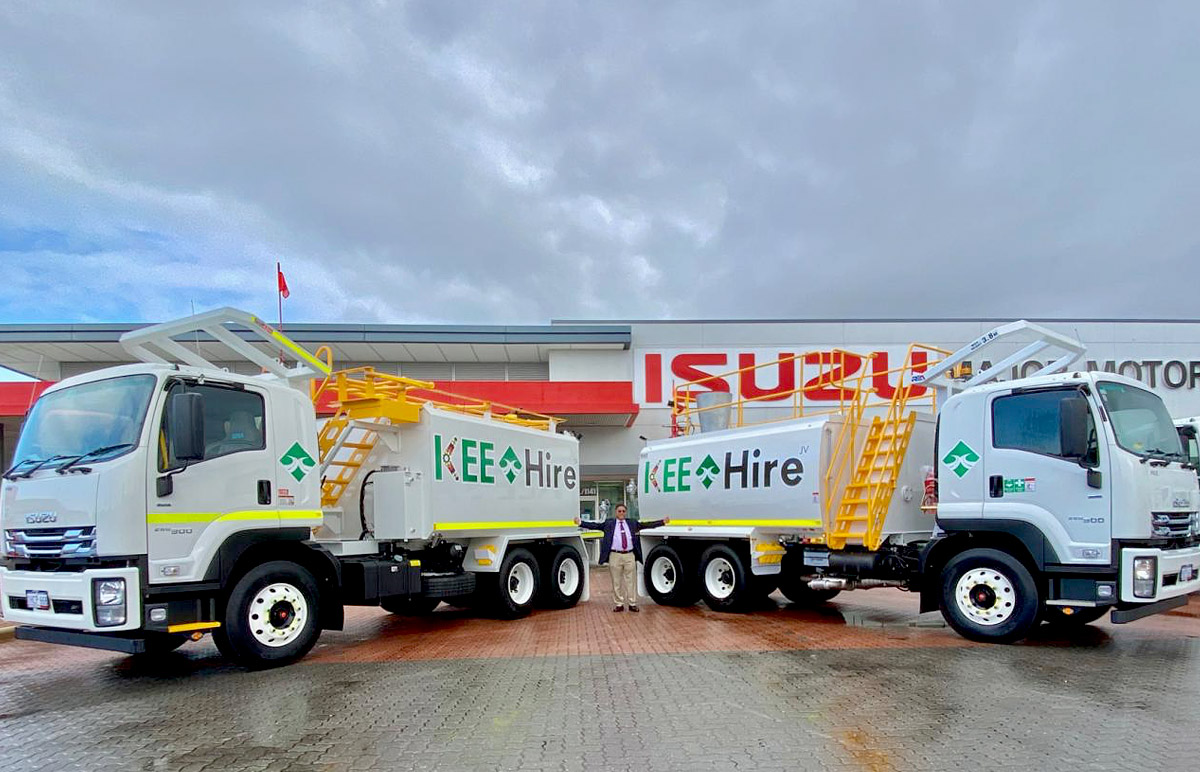
Data Driven Watering Plans for WA Mine Roads
Turning Water Carts Into a Strategic Mine Asset
Water carts keep haul roads safe, but they also pull on one of Western Australia’s tightest resources: water. Across the Pilbara, Goldfields and Mid West, sites are feeling the squeeze from water scarcity, ESG expectations and rising haul road maintenance costs. Every lap a cart does now needs to work harder for the operation, not just keep the dust down for a few minutes.
Simply adding more units or running them longer is not a long-term answer. Through long dry periods and windy fronts, this old approach leads to soft roads, dust complaints and a lot of wasted fuel. A data-driven watering plan lets sites cut water use, extend road life and improve safety, while getting more value from water cart hire in Perth and regional WA.
The Hidden Cost of Traditional Watering Patterns
On many mines, watering patterns are based on habit. Carts follow fixed runs, operators rely on their own judgement, and changes are usually made only when someone complains about dust or when a supervisor spots a problem. It keeps the wheels turning, but it also hides a lot of cost.
Common issues include:
- Overwatering on low-traffic segments
- Under-watering on busy ramps and intersections
- Extra passes just to “be seen to be doing something”
- No link between watering and road maintenance plans
Overwatering softens the surface. That leads to:
- Corrugations and rutting
- Bogging in soft shoulders
- Higher tyre and suspension damage
- Loss of productivity when trucks back off or stop
Under-watering creates the opposite problem. Dust spikes can trigger:
- Reduced visibility for operators
- Exceedances against site limits
- Short-term road closures or speed reductions
All of this rolls into the bottom line. More grader hours, more frequent re-sheeting, extra fuel, and water carts acting like rolling sprinklers instead of engineered dust controls. The equipment is there, but the strategy behind it is not.
Building the Data Foundation: Traffic, Weather and Dust
A smarter watering plan starts with better information. The goal is simple: put water where and when it actually manages risk. To do that, we need to pull together three key data sets.
Traffic data tells you how hard each road segment is being worked. That might include:
- Truck counts by hour and shift
- Payload and speed data for different routes
- Known pinch points like intersections and dump faces
Weather data shapes how quickly roads dry out. Useful sources include:
- On-site weather stations
- Local automatic weather services
- Forecast models for upcoming fronts and wind shifts
Dust data closes the loop. This can come from:
- Fixed dust monitors at high-risk locations
- Mobile units on light vehicles or water carts
- Site environmental systems that track against limits
When these streams are combined, patterns begin to show. For example, you might see that a north-facing ramp with heavy traffic and strong afternoon winds drives most of the dust alerts. Or that some low-traffic roads are being watered far more than they need. This is the base for a targeted plan.
Turning Insights Into a Dynamic Watering Plan
Once the data picture is clear, the next step is changing how water is applied. Instead of fixed loops, watering becomes dynamic and risk-based.
Key steps include:
- Dividing haul roads into zones based on traffic and dust risk
- Setting trigger thresholds for each zone, such as dust levels or road moisture bands
- Scheduling passes where they matter most, for example ramps, intersections and dump approaches
Rather than sending carts on long, repeated loops, planners can focus on:
- Peak traffic windows during shift changes and blast clearance
- Periods of high wind or very low humidity
- Routes that have recent maintenance or new sheeting
Data also helps match the right water cart fleet to actual demand. For some sites, that may mean:
- Larger capacity units for long, high-volume ramps
- Smaller, more agile carts for benches and tight pit layouts
- Adjusted spray bar set-ups to cover the correct width at the right speed
This way, water cart hire in Perth and remote WA is based on need, not guesswork.
Smart Use of Water Carts to Protect Haul Roads
Even the best plan fails if the water is put down poorly. Smart operation protects both the road and the fleet using it.
Important operating factors include:
- Droplet size that wets the surface properly without misting away
- Application rates that reach binding moisture, not soaked slurry
- Spray width that matches the running surface, not the wind
Watering should also link tightly with road maintenance. When graders cut and shape a road, there is a short window where the formation can be compacted and locked in. Coordinated watering can:
- Support compaction after grading or sheeting
- Reduce early potholing and raveling
- Extend the time between major maintenance passes
Operator training is key here. With clear guidance and tools in the cab, operators can follow:
- Route guidance that shows priority zones
- Speed controls to keep application rates consistent
- Simple alerts when zones are due or when they can be skipped
This turns the plan from a spreadsheet into reliable field execution.
Measuring Performance: Water, Dust and Road Life
To keep improving, sites need to track the right numbers. Helpful metrics include:
- Water usage per kilometre of road or per tonne moved
- Number and duration of dust exceedances
- Average road roughness from regular condition surveys
- Tyre, suspension and undercarriage damage trends
- Hours of unplanned road closures or speed reductions
Water cart telemetry can show where and when water was applied, at what rate and speed. Combined with road inspections and dust data, this creates a feedback loop. Planners can then:
- Fine-tune schedules and trigger points
- Reset priorities when new pits open or routes change
- Adjust fleet size as production ramps up or down
A data-backed approach also supports ESG and compliance work. When sites can clearly show how they manage water use and dust, it becomes easier to:
- Report on water efficiency and reuse
- Demonstrate air quality performance
- Communicate with regulators, communities and corporate stakeholders
Partnering with Specialists to Fast-Track Results
Designing and running a data-driven watering plan is not just about the water carts themselves. It works best when plant hire, road surfacing and support services are considered together.
As a Western Australian civil and mining support provider, we work across plant hire, road surfacing, transport and on-site fuel. That gives us a broad view of how haul roads, production fleets and support units interact day to day. We can help site teams select suitable water carts for different benches and pit conditions, integrate them into wider haul road strategies, and keep availability high so the plan holds up in the field.
For mining and resources operators across Perth and WA, taking a fresh look at watering is an opportunity. Moving from fixed rounds to a data-driven watering plan can cut water use, improve road life, and support safer, smoother haulage across the whole operation.
Get Started With Your Project Today
If you are ready to keep dust under control and your site running smoothly, our water cart hire in Perth is available to support projects of all sizes. At KEE Group, we take the time to understand your scope and recommend the most suitable water cart solution. Speak with our team today to discuss availability, pricing and logistics, or contact us to request a tailored quote.