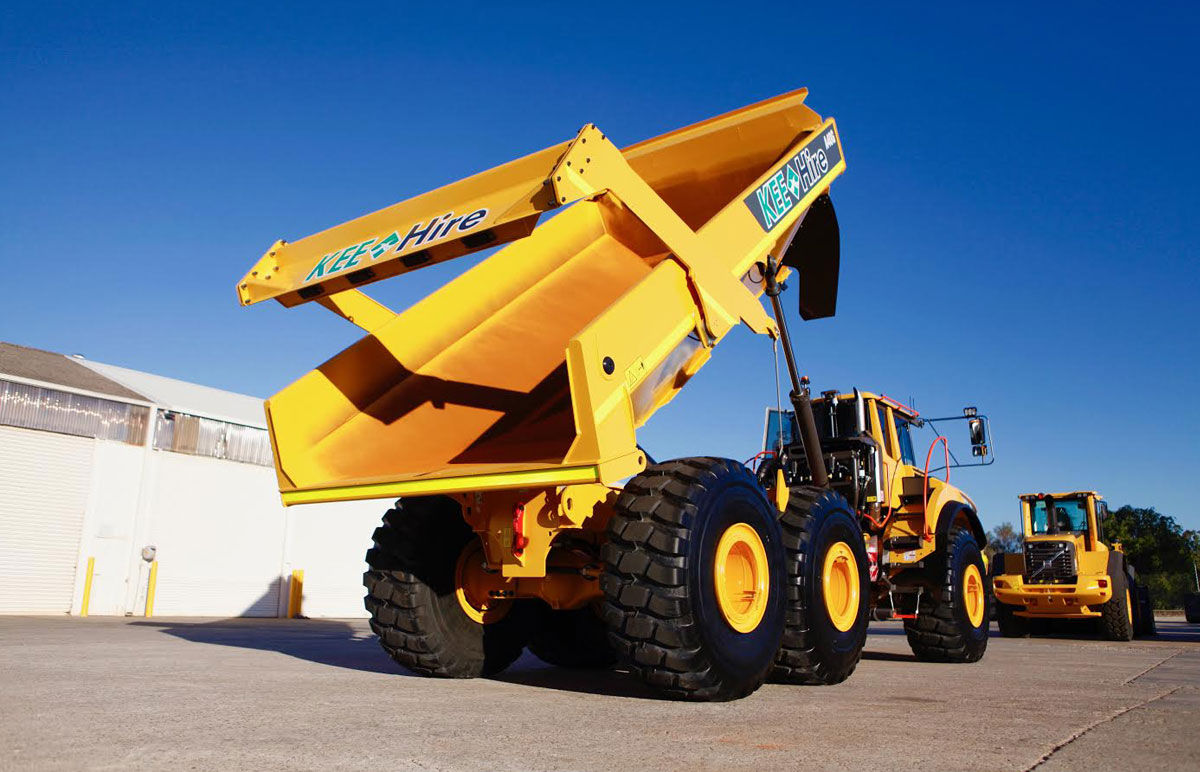
Selecting the Right Dump Truck Hire Strategy for WA Mine Haulage
Maximising Haulage Efficiency in WA Mine Operations
Selecting the right dump truck hire strategy can make or break haulage performance on a mine. The trucks might look like simple tools, but the way you hire, run and support them has a direct impact on productivity, safety and cost per tonne. When margins are tight and ESG expectations are rising, guesswork around haulage is a luxury most WA operations cannot afford.
Across Western Australia, conditions change fast. Pilbara heat, summer storms, heavy traffic on access roads and long distances between sites all put pressure on haulage. Choosing the right dump truck hire in Perth is not just about getting machines on site, it is about keeping ore moving, day in and day out, with as little disruption as possible.
In this article, we walk through how mining companies and contractors can think about hire models, fleet mix and support partners so they can line up the right strategy before the first truck turns a wheel.
Understanding Your Haulage Requirements Upfront
Good haulage planning starts long before a truck is delivered. The first step is to build a clear profile of the orebody and the haul routes you need to service.
Key questions to cover include:
- What are the average and maximum haul distances?
- What gradients and ramp designs are involved?
- What are the underfoot conditions in wet and dry periods?
- Which loading tools will be feeding the trucks?
- What tonnes per hour are you expected to hit at each stage of the project?
It also helps to think in terms of the full project life, not just day one. Production rarely stays flat. There are ramp-up periods, peak production windows, shutdowns and sometimes step changes in mine design. All of these influence the best hire term, from short, flexible arrangements through to locked-in, long-term contracts.
You also need a clear picture of your internal capability. Some teams have:
- Experienced operators ready to go
- Workshop capacity on site
- Existing fleet management and scheduling tools
Others prefer a fully supported solution where the provider supplies machines, maintenance and possibly operators. Being honest about your current strengths will save pain down the track and helps you pick a hire model that matches how your team actually works.
Choosing the Right Dump Truck Types and Specs
Once the haulage task is clear, the next step is matching truck type and specification to the mine. Different truck designs shine in different conditions.
In broad terms.
- Rigid dump trucks suit large, well-formed pits with long, consistent hauls and good road quality.
- Articulated dump trucks work better on tighter benches, steeper grades and softer or variable ground.
- Off-highway trucks can handle big payloads on long hauls where productivity per pass is the priority.
Payload capacity needs to line up with your loading tools. Too small and you waste loading cycles. Too large and you risk under-loading or strain on roads and ramps. Body configuration also matters. Rock bodies, coal bodies, liners and tailgates all affect payload, material retention and wear.
Other spec choices that impact cost per tonne include:
- Fuel efficiency and engine rating
- Tyre selection for heat, distance and underfoot conditions
- Safety systems such as collision awareness and proximity alerts
- Visibility aids like cameras and work lights
Across WA sites, mine-spec compliance is non-negotiable. This often includes safety interlocks, isolation points, fatigue monitoring systems, fire suppression and telematics. When you are assessing dump truck hire in Perth, it pays to confirm that units can meet Tier 1 and Tier 2 site standards without major rework or delay.
Aligning Hire Models with Budgets and Risk
With the technical side in place, the next choice is how you actually hire the trucks. Each hire model comes with its own balance of cost, control and risk.
Common options include:
- Dry hire, where you supply operators, fuel and maintenance
- Wet hire, where trucks come with operators, and you share some of the risk of performance
- Fully managed fleets, where the provider handles equipment, maintenance and often fleet optimisation
Short-term or spot hire works well for temporary peaks, trial pits or unexpected breakdown cover. Project-based deals line up with defined scopes of work and clear start and finish dates. Longer-term arrangements tend to support consistent, steady production and can simplify planning.
Commercial settings can be just as important as the rate itself. Items to think through include:
- Minimum hours or minimum monthly commitments
- Hourly rates versus tonne-kilometre or other output-based metrics
- Mobilisation and demobilisation terms
- KPIs linked to availability, utilisation or payload
Spending time on these details helps share risk fairly, especially where there are seasonal disruptions or variable production.
Integrating Dump Truck Hire with Wider Site Logistics
Dump trucks never work in isolation. For real gains in efficiency, hire decisions should slot into the wider site logistics plan.
At a minimum, haulage planning should be linked to:
- Excavators, loaders and dozers
- Road surfacing and ongoing maintenance
- Traffic management and intersection design
- On-site fuel storage and refuelling plans
Optimised haul roads make a huge difference. Correct pavement design, regular grading and good drainage reduce rolling resistance and cut cycle times, which means fewer trucks to hit the same production target. Road surfacing that stands up through summer storms and heavy use can also reduce unplanned downtime.
Support services around fuel are just as important. On-site refuelling, fuel management systems and clean, reliable supply help keep engines healthy and trucks turning. Coordinated heavy transport to move equipment between projects across WA can also reduce idle periods and keep fleets working where they add the most value.
Managing Seasonal and Operational Variability Across WA
Western Australian mines face a mix of heat, dust and intense rain events, often in quick succession. These conditions affect tyres, fuel burn, visibility and even operator comfort, which in turn impact availability and productivity.
When you plan dump truck hire in Perth, consider how different seasons and operating modes will change:
- Tyre wear rates on hot, abrasive roads
- Fuel usage on soft or damaged haul roads after storms
- Dust levels and the need for sprays and sealing
- Safe operating speeds and following distances
It is also smart to build in contingency. Backup units, flexible hire clauses and clear maintenance strategies make it easier to keep haulage running through weather events, breakdowns or sudden changes to the mine plan.
Data is your friend here. Telematics, payload monitoring and fuel reporting help you:
- Right-size the fleet for each stage of the project
- Match truck numbers to excavator capacity
- Cut idle time and queuing
- Spot emerging maintenance issues before they turn into long outages
Partnering with an Integrated Haulage Support Provider
Choosing a hire partner is not just about trucks on a rate sheet. Working with an integrated civil and mining support provider can simplify life across the board. A team that understands plant hire, road surfacing, transport and on-site fuels can line up all the moving parts of haulage, from the pit floor to the ROM pad.
At KEE Group in Western Australia, we see the benefits of this joined-up approach every day. When one provider looks after dump truck hire, haul road surfacing, heavy haulage for mobilisation and on-site fuel solutions, it becomes easier to hold a single standard for safety, maintenance and performance across the fleet. This supports better accountability, smoother mobilisation and more reliable tonnes to the crusher as production ramps up.
Get Started With Your Project Today
If you need reliable haulage support for your next job, KEE Group can supply the right trucks and operators to keep everything moving on schedule. Explore our tailored options for dump truck hire in Perth and get equipment matched to your site conditions and timeframe. Talk to our team about your upcoming works and we will help you plan the most efficient solution, or simply contact us to request a quote.