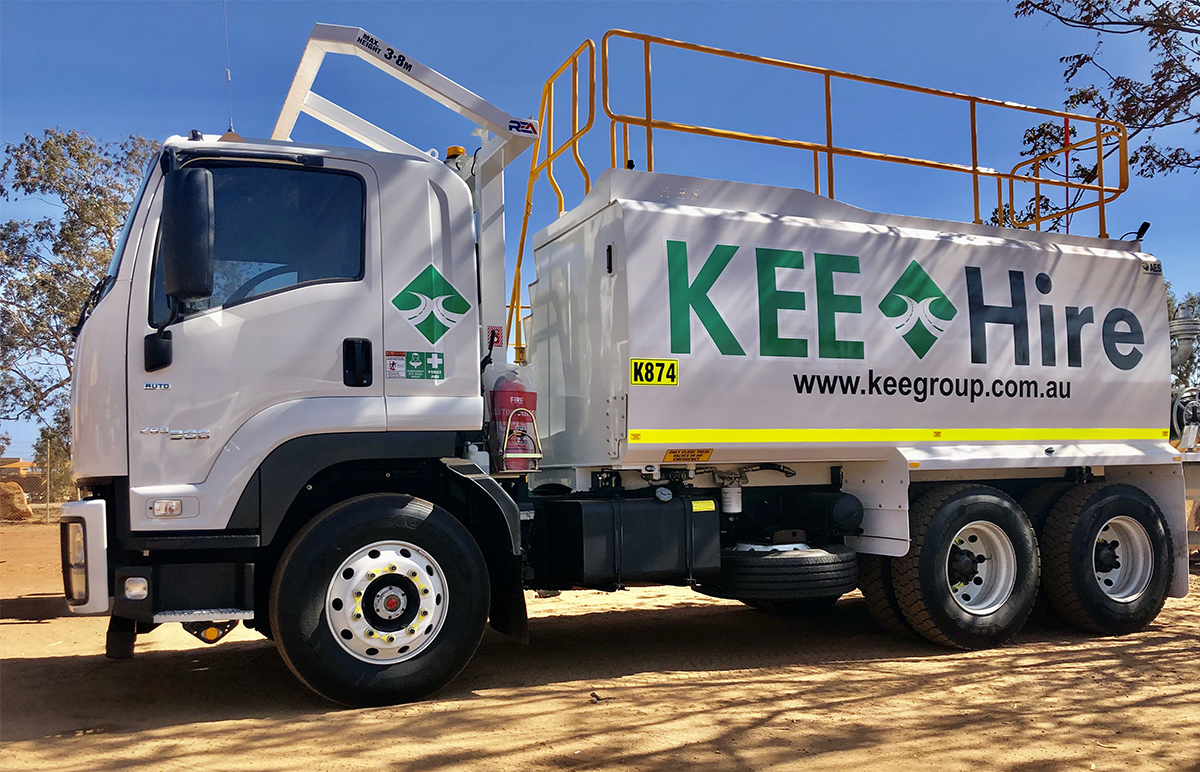
Sustainable Water Truck Hire in Perth for Mine Road Dust Suppression
Smarter Dust Control That Supports Your ESG Targets
Dust on haul roads is not just a nuisance. It affects visibility, safety, equipment wear, and air quality on every shift. At the same time, there is tighter ESG scrutiny on how much fuel you burn, how much water you use, and how clearly you report it.
Across the Pilbara, Goldfields, and around the Perth Basin, long dry spells put pressure on water allocations. Potable water is under the spotlight and regulators, investors and project owners want proof that sites are doing more with less. Water truck hire in Perth is now part of that ESG story, not just an operational line item.
Lifecycle sustainability for water carts is about the whole picture, not just the day’s haul. It takes in embodied emissions in the gear you choose, fuel burn on the ramp, where your water comes from, and how transparently you report the outcome. When you line those up, dust control can support both safer roads and lower impact operations.
We see four big levers making the difference on modern sites: low-emission water cart fleets, smart use of recycled and non-potable water, telemetry-driven optimisation, and ESG-ready reporting of dust suppression performance.
Building Low-Emission Water Cart Fleets From Day One
Lifecycle thinking starts before a single load is hauled. Every water cart has a footprint from manufacture through to decommissioning, and that ties straight into Scope 1 and 3 conversations with project owners and lenders.
When sites review fleet strategy, some of the practical levers include:
- Late-model, fuel-efficient prime movers and water carts
- Engines that meet higher emission standards, where suitable for site conditions
- Idle-reduction systems and shutdown timers
- Correct truck sizing to match haul profiles and road geometry
- Tank capacities matched to cycle times so you are not hauling dead weight
Right-sizing is often missed. Over-specified trucks can burn more fuel while under-specified units run flat out and struggle with reliability. Getting that balance right early supports both productivity and lower emissions.
Alternative fuels and emerging technologies are also becoming part of the discussion. For example, water carts that are compatible with renewable diesel can fit into site-wide decarbonisation plans. Hybrid systems or support equipment that line up with site power and refuelling strategies can help reduce the carbon intensity of each kilolitre applied.
The business case is not just environmental. Low-emission fleets, when planned well, usually bring:
- Reduced fuel burn per shift
- Lower maintenance and fewer unplanned stoppages
- Better cab environments, which helps operator comfort and retention
- Smoother compliance with client ESG requirements and lender expectations
When water truck hire in Perth is approached as a lifecycle decision, fleet renewal and replacement cycles stop being reactive and start supporting long-term decarbonisation pathways.
Using Recycled and Non-Potable Water for Dust Suppression
Potable water is under pressure across Western Australia. Licences, catchment rules and site conditions keep pushing operators to protect drinking water sources and reduce groundwater draw.
That is driving a shift toward non-potable options for dust control, such as:
- Mine dewatering flows that would otherwise be discharged
- Process water that is suitable for road applications
- Treated wastewater from on-site or nearby plants
- Stormwater harvested from pits, laydowns and roofs
- Local non-potable scheme supplies where available
Each source comes with its own quality considerations. Suspended solids, dissolved salts and any process chemicals all affect how water behaves on the road and inside your gear. Storage, treatment and transfer systems need to match the quality and the season. For example, stormwater capture might be stronger after higher rainfall periods, while dewatering flows may be more steady.
Recycled and non-potable water can be harder on equipment if you do not plan for it. Technical issues we often see include:
- Corrosion inside tanks, pumps and spray bars
- Scaling in pipework and nozzles
- Abrasion from fine solids, leading to faster wear
- Compatibility issues with dust palliatives and additives
These risks can be managed with the right materials, filtration, flushing routines and maintenance plans. When water truck hire in Perth is structured around known non-potable sources, you can align:
- Modular storage tanks sized for seasonal variation
- Transfer pumps that match head and flow requirements
- Filling points that keep trucks cycling efficiently
- Schedules that match both production and water availability
The outcome is less reliance on potable supplies and better use of water you already have on site.
Telemetry-Driven Optimisation for Safer, Drier Haul Roads
Modern water carts can act as rolling data sources. Telemetry is giving operations teams far more control over where, when and how water is applied.
Common telemetry features on water carts include:
- GPS tracking and geofencing
- Spray on/off logging and time-stamping
- Pump pressures and application rate monitoring
- Speed profiles and braking events
- Idle time and fuel burn data
- Event-based alerts for faults or unsafe patterns
This data helps supervisors send water where it is actually needed. Instead of fixed runs, you can target:
- High-risk intersections, dumps and tight curves
- Long ramps where braking dust is a safety concern
- Sections with history of loss-of-control incidents
- Areas where over-watering has created slick surfaces
Dynamic scheduling is another step forward. By linking telemetry with weather forecasts, wind direction and traffic volumes, control rooms can adjust frequencies during the day and across seasons. Transition periods, like the shift out of late-winter into the drier months, are especially well suited to this approach because road conditions and evaporation rates change quickly.
Embedding telemetry into daily routines is where the value really shows:
- Dashboards in control rooms for live visibility
- Short shift reviews to refine routes and application rates
- Operator coaching based on real data, not guesswork
- Continuous improvement programs focused on reducing water use while keeping roads safe
The result is fewer complaints about dust, fewer slick patches and a clearer line between inputs and haul road outcomes.
Turning Dust Suppression Data Into ESG Reporting Value
ESG teams are under pressure to back up claims with numbers. Dust suppression is a small piece of the puzzle but it is one of the most visible on any mine or major project.
Operational data from water carts can be mapped to common ESG frameworks by tracking:
- Kilolitres of water applied per tonne moved
- Fuel use per kilolitre delivered
- Emissions per kilometre of haul road treated
- Near-miss and incident trends linked to road condition
- Proportion of recycled or non-potable water in total use
When this information flows from your water cart provider in a clean, consistent way, reporting becomes far easier. Telemetry and integrated systems can support:
- Automated logs of runs, volumes and locations
- Auditable data trails that line up with regulator submissions
- Custom reports for project owners, lenders and investors
This is not just about compliance. Clear, defensible data can strengthen tender responses, support ESG narratives in reports, and give operations more confidence when setting targets for water and fuel. It also supports better forecasting for consumables and fleet requirements, making budgets more realistic.
Partnering for Next-Generation Dust Suppression Performance
When you put low-emission fleets, non-potable water use, telemetry, and solid reporting together, dust suppression starts pulling its weight across safety, sustainability and cost over the full project lifecycle.
For many sites, a practical first step is a simple audit of current practice:
- Age, efficiency and reliability of the current water cart fleet
- Actual fuel burn per shift and per kilolitre delivered
- Mix of potable, recycled and non-potable water sources
- Gaps in telemetry, visibility and data quality
- Limitations in current reporting to project owners and regulators
Choosing the right partner for water truck hire in Perth becomes a strategic call, not just a procurement task. Key things to look for include integrated plant and support services, strong Western Australian mining experience, telemetry-ready fleets, and the ability to design solutions around your site-specific ESG and safety targets.
By engaging early and planning for the next dry season rather than reacting to it, project teams can build water cart solutions that support both production and sustainability goals across the entire life of the operation.
Get Started With Your Project Today
If you are planning earthworks, road construction or site preparation, KEE Group can provide reliable water truck hire in Perth to keep dust under control and your project compliant. Our team will help you choose the right truck configuration and schedule to match your site conditions and timeline. Reach out to our experts to discuss your requirements or request a quote, or simply contact us to lock in your booking.