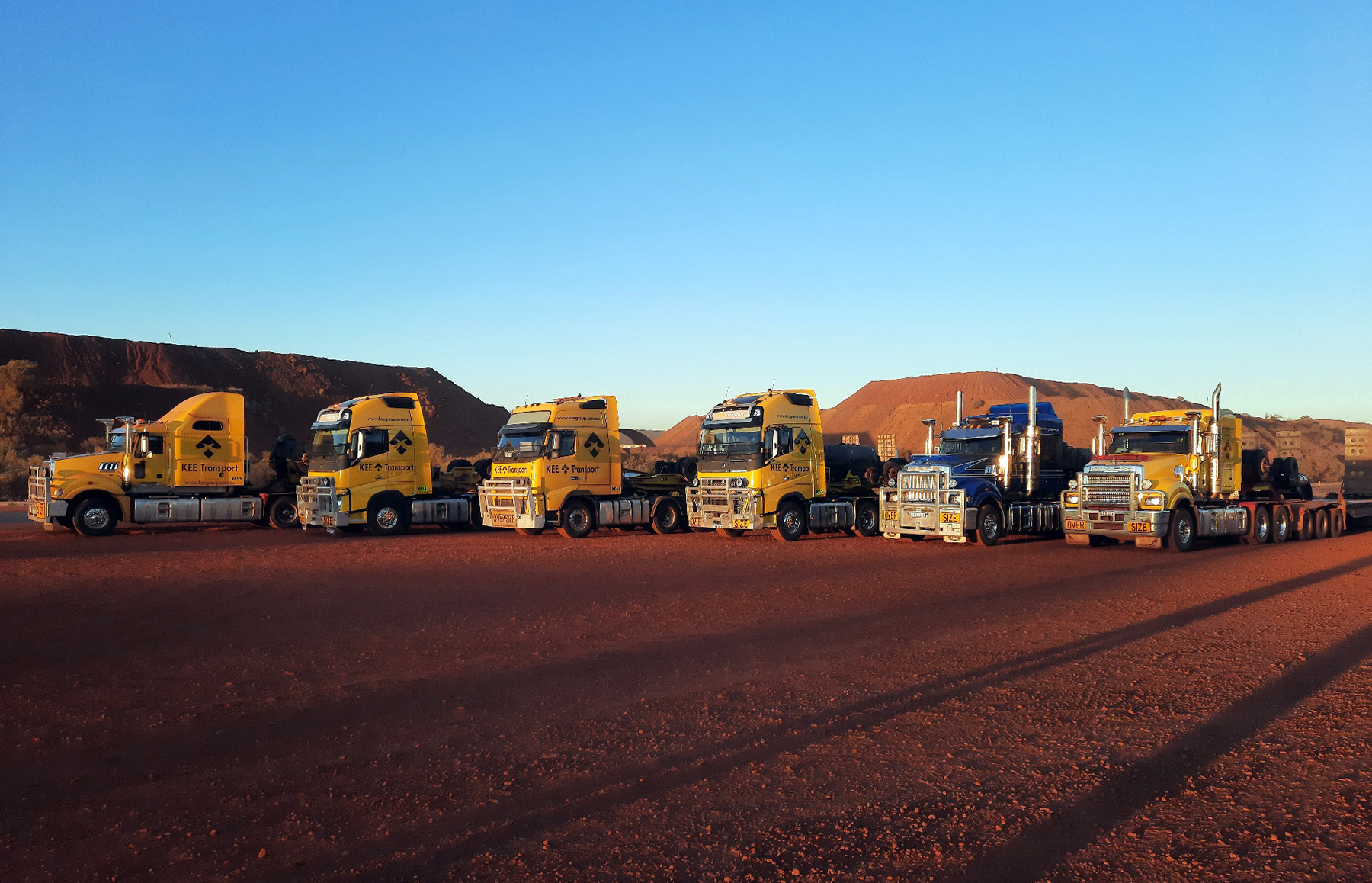
Smarter Fleet Planning for WA Mining Plant Hire
Turning Market Volatility Into Fleet Certainty
Forecasting fleet demand is not a paperwork task you leave to the end of the month. In WA mining, it is one of the main levers that keeps production steady, crews safe and budgets in line. With long haul distances, remote sites and shifting commodity prices, guessing your mining equipment hire needs can quickly snowball into bigger problems.
When the forecast is off, the impact shows up fast. Yellow gear sits idle on the pad, hire bills blow out, crews wait for machines that never arrive and overworked equipment raises HSE risk. On top of that, shutdowns, expansions and new pits across the Pilbara, Goldfields and Mid West all compete for the same limited fleet.
With better planning, that pressure can be controlled. Careful mining equipment hire strategies help you match fleet to work, build smart buffers and keep production steady through the cycle. As an integrated WA support partner, we work with mining and civil contractors to forecast demand, secure the right fleet mix and keep projects moving on time and on budget.
Reading the WA Mining Cycle Before You Place Orders
Good fleet planning starts long before you send a purchase order. It begins with reading what is coming in the broader WA mining cycle so you are not chasing equipment when everyone else is.
Some of the signals teams watch include:
- Commodity outlooks and corporate production guidance
- Approvals pipelines across iron ore, gold, lithium and other commodities
- Port and rail capacity plans and any planned outages
- OEM build slots and lead times for specific classes of equipment
By linking these signals to your own life-of-mine and rolling 12 to 24 month schedules, you can see when pressure will build. That includes:
- Major shutdowns and tie-ins
- Haul road construction and upgrades
- Opening new pits or satellite deposits
- Rehabilitation or tailings storage work
WA’s seasons also shape equipment availability and utilisation. In the North West, cyclone season can interrupt shipping, road access and site operations. Wet access windows can delay civil packages. High summer heat can mean derating loads, shorter day shifts and more maintenance downtime. Folding these patterns into your planning helps you size the fleet for real, not ideal, conditions.
Right-Sizing Your Hired Fleet for Each Program
Once you know when the pressure will hit, the next step is choosing what you actually need for each work package. Load and haul, bulk earthworks, road surfacing and tailings work all put different demands on machines.
It helps to break each program into tasks, such as:
- Stripping and topsoil handling
- Bulk cut and fill
- Load and haul to crusher, stockpile or waste
- Road surfacing and maintenance
- Ancillary support like water carts, graders and service trucks
Then, you look back at similar campaigns. Real data is gold here. Useful inputs include:
- Actual tonnes moved per shift versus plan
- Fuel burn across different machine classes
- Standby time from access delays or blasting
- Breakdown trends and time waiting on parts or technicians
This information guides decisions on machine size, model mix and how much redundancy you build in. You want enough capacity to absorb normal delays, gradient changes and scope creep, without locking in long-term over-hire you do not need.
Smart contingency might look like:
- One or two additional units on short-term hire for the ramp-up phase
- Clear swap-out options if geology or ground conditions change
- Shared support gear across adjacent work fronts to cover breakdowns
The aim is a fleet that is lean but not fragile, where one unscheduled repair does not throw out the entire program.
Integrating Hire, Transport and Fuel Into One Plan
Mining equipment hire on its own is only part of the story. Gear still has to get to site, be fuelled and kept running. When those pieces are planned separately, you pay for it in non-productive time.
Bringing hire, transport and on-site fuel into one plan lets you line everything up, including:
- Float movements from yard to port or direct to site
- Road train schedules, permits and fatigue requirements
- Site access windows, inductions and escort needs
- Laydown area limits and sequencing for mobilisation and demob
- Refuelling runs and bulk fuel deliveries around production hours
An integrated approach cuts down on wasted waiting time, double handling and demurrage. Crews are not standing around for machines stuck at a laydown with no fuel, or floats are not queuing at a gate that is closed for blasting.
When you plan the project as a whole, not as separate hire and logistics packages, it also becomes easier to see your total cost per tonne or per kilometre. Administration drops, interfaces shrink and everyone works from the same schedule.
Contract Models That Support Agile Fleet Forecasting
Forecasting is only as useful as the contracts that sit behind it. If you are locked into rigid hire structures, you cannot respond when geology, production plans or the market shifts.
Common approaches include:
- Short-term project hire for discrete jobs and trials
- Medium-term campaign hire linked to a defined scope
- Longer-term strategic agreements tied to broader production plans
Each style serves a purpose. For example, short-term hire can cover short spikes, while campaign hire can support a cutback or a tailings raise. Strategic agreements can give ongoing access to core fleet classes across multiple sites.
Timing matters as well. Securing rates and volumes ahead of peak demand periods such as pre-summer ramp-ups or post-wet catch-up programs can protect availability and certainty. Once the rush starts, options narrow.
Flexible terms are just as important as timing, such as:
- Right to scale fleets up or down within an agreed band
- Swap-outs between classes as conditions change
- Options to extend or roll early without starting from scratch
With the right contract tools, planners and operations teams can adjust without losing control of risk or schedule.
Turning Forecasts Into a Repeatable Planning Framework
The goal is not a one-off good forecast. The goal is a repeatable way of planning that becomes part of how your business runs across WA.
A simple framework often includes:
- Regular cross-functional planning sessions with mining, maintenance, supply and HSE
- Structured reviews of data from recent projects, good and bad
- Clear handover points between planning teams, site teams and suppliers
- Shared assumptions about productivity, downtime and seasonal effects
When everyone works from the same playbook, mining equipment hire becomes predictable instead of reactive. Equipment arrives when it should, transport is lined up, fuel is ready and crews can focus on hitting production targets.
At KEE Group, we bring together plant hire, road surfacing, transport and on-site fuel in one integrated offering, based in WA and focused on local conditions. By working closely with your planners and operations leaders, we help turn rough estimates into clear fleet strategies that cut risk, protect margins and keep your sites production-ready all year round.
Get Started With Your Project Today
If you are planning your next operation and need reliable machines on site, we are ready to help. Explore our mining equipment hire options to match the specific demands of your project and site conditions. At KEE Group, we work with you to coordinate timely delivery, support and maintenance so your crew can get on with the job. If you would like tailored advice or a detailed quote, please contact us.