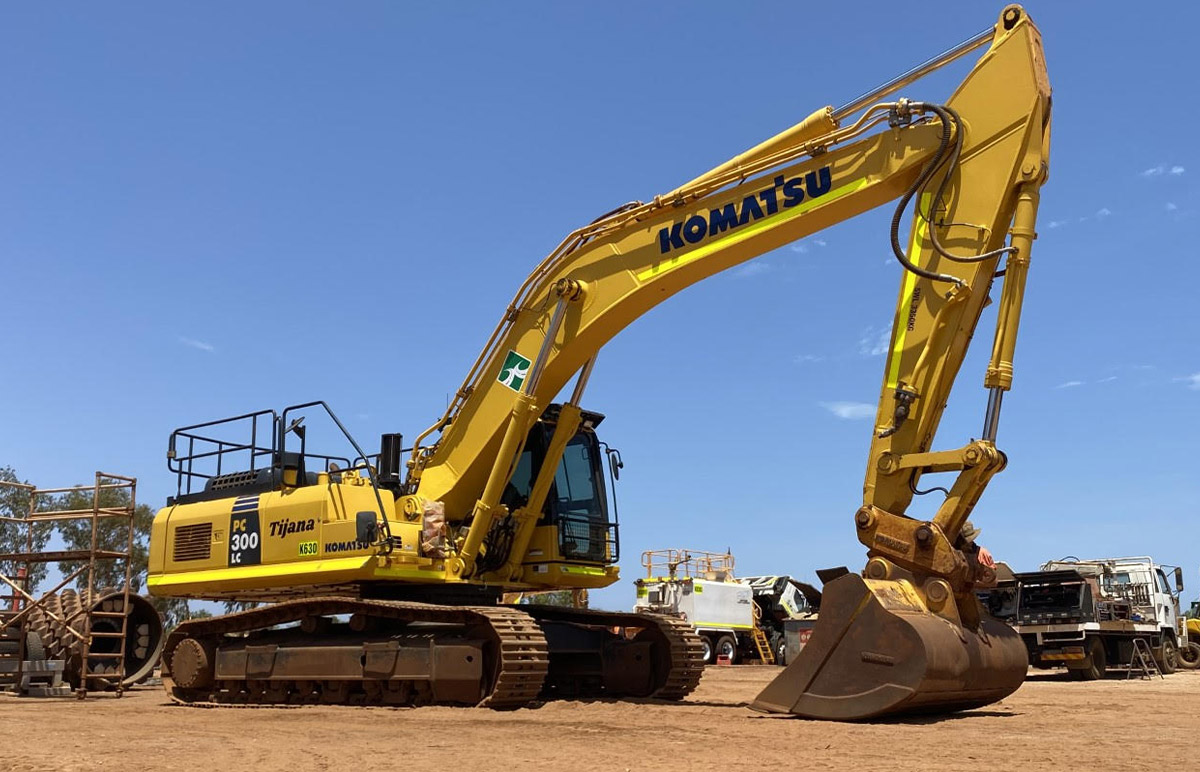
Site Readiness Checklist for Perth Plant Hire Projects
Reduce Downtime with a Pre-Hire Site Readiness Plan
A plant hire booking alone will not keep your program on track. What really saves time is having the site ready before the first low loader even leaves the yard. When you treat pre-hire planning as part of risk management, you cut delays, rework, and headaches for everyone on site.
Across civil, mining and infrastructure works in Perth and regional WA, the pressure really ramps up around spring and summer. Shutdowns, upgrades and new packages all compete for the same machines and people. If your site is not ready, you can miss your window and watch your schedule slip.
We work with project teams who use a simple pre-hire checklist as a standard step before heavy equipment hire in Perth. It keeps ground conditions, access, lifts, operators and maintenance all in line so machines can start earning from day one, not sit waiting for permits or rework.
Verify Ground Conditions Before Machines Mobilise
Plant choice should follow ground conditions, not the other way around. Before you lock in graders, compactors, stabilisers, cranes or water carts, you want clear information from your site investigation and geotech inputs.
Key checks include:
- Soil type and behaviour under load
- Compaction and bearing capacity in work zones
- Contamination risks and any no-go areas
- Location and depth of underground services
From there, think about working platforms and stability. For example, crane pads, temporary haul roads, laydown and turning circles should match the loaded axle weights you are bringing in. Plan for:
- Pad thickness and material type
- Drainage and water run-off
- Dust control and watering needs
- Slope limits for safe operation
Seasonal conditions across WA can bite you if they are not built into the plan. As sites move from the wetter months into drier, dusty spring conditions, you may be dealing with soft ground that has not fully recovered, or bogging risks along new access tracks. That affects:
- Whether you choose tracked or wheeled plant
- Tyre types and pressures
- When you schedule surfacing or stabilisation works
Sorting these details early keeps your hired machines working instead of sinking, spinning or waiting for emergency remediation.
Plan Site Access, Transport Routes and Permits Early
The best plant is useless if you cannot get it to site on time. Access planning should sit alongside your construction program, not as an afterthought the week before delivery.
Start with basic physical access:
- Gate widths and turning radii for low loaders
- Overhead clearances, including bridges and lines
- Shared access with other contractors or tenants
- Any live traffic, rail crossings or public interfaces
Many moves in and around Perth need oversize or overmass approvals. You may need permits or conditions from:
- Local government
- Main Roads WA
- Port or precinct authorities
Sorting curfews, escort needs and route surveys before you confirm delivery dates can save you from last-minute changes that ripple through the whole program, especially when fleets are tight in spring shutdown periods.
On site, nominate delivery and unloading areas in advance. Think about:
- Safe set-down and unloading zones
- Temporary traffic management and spotters
- Exclusion zones for gantries, cranes and tilt trays
- Short-term laydown if machines cannot move straight to work fronts
When transport turns up to a clear plan, machines can be off the trailer, checked and working instead of queuing in a congested entry road.
Engineer Lift Plans and Critical Operations Safely
Any critical lift or modular move needs more than a quick chat and a crane booking. An engineered lift plan will guide what you hire, how long you need it and what support gear must be on site.
Well before you confirm your heavy equipment hire in Perth, make sure:
- Lift plans and rigging studies are drafted and reviewed
- Load charts match the real load and radius, not best-case numbers
- Ground pressure checks link back to the crane pad design
- Attachments and rigging gear are compatible and available
Critical lifts rarely happen in isolation. Map them against other works and shutdown tasks. Coordinate:
- Isolation plans for live services and plant
- Exclusion zones around the lift
- Timing with other trades so you avoid clashes and unplanned stoppages
When the method is locked in, you can choose the right plant instead of forcing the lift to suit the machine that happens to be free. That reduces under-spec risk and late changes that hit both cost and time.
Confirm Operators, Competency and Maintenance Windows
Even the best machine will fail your program if you do not have the right people and support locked in. Operator competency is just as important as the plant itself.
Before mobilisation, confirm:
- Tickets and high-risk work licences
- Verification of competency for specific plant types
- Site and client inductions
- Coverage for FIFO swings, night shifts and weekends
Maintenance can also trip you up if it is not planned. Align service windows with your critical path and shutdowns. Make sure you have:
- Safe access and lighting for service crews
- Space for service vehicles, lube trucks and tool trailers
- Clear refuelling points on congested civil or mining sites
Where the project needs it, link in on-site fuel, field service and breakdown response, especially during long summer rosters or night works. Keeping machines fuelled, serviced and supported lets your operators focus on production, not chasing help at the last minute.
Lock in Handover, Documentation and Communication
A smooth start on site usually comes down to paperwork and communication being ready before day one. A simple, central handover pack saves time and confusion.
This pack can include:
- SWMS, JHAs and lift plans
- Plant risk assessments and maintenance records
- Pre-start checklists and logbooks
- Relevant permits and site maps
Clear roles and responsibilities also matter. Agree early on:
- Who signs off on plant arrival and condition
- Who owns daily inspections and defect reporting
- Who approves variations or extra works
- How safety or performance issues are escalated
From the start, decide how you will capture and share data such as:
- Utilisation and machine hours
- Fuel burn and refuelling records
- Breakdowns, incidents or near misses
That information supports claims, invoicing and close-out, and it helps you tighten the process again before the next phase.
Turn Your Checklist Into a Competitive Advantage
A simple pre-hire checklist can be a quiet edge for project managers, superintendents and construction leads across WA. When you know your ground conditions, access, critical lifts, operators and maintenance windows are all lined up, you can book plant with confidence and keep your program moving through the busy spring and summer period.
At KEE Group, we work as an integrated support partner for civil and mining projects, with plant hire, road surfacing, transport and on-site fuel services all under one roof. By involving us early, you can test your plans against real-world WA conditions, approvals and stakeholder expectations, then lock in the machines and support you need before peak demand hits.
Get Started With Your Project Today
If you are planning upcoming works and need reliable machinery and support, KEE Group is ready to help you keep things moving on schedule. Explore our heavy equipment hire in Perth to match the right plant to your project scope, budget and timeframe. Our team can walk you through options, availability and logistics so you can lock in what you need early. If you would like tailored guidance or a quote, simply contact us and we will get back to you promptly.