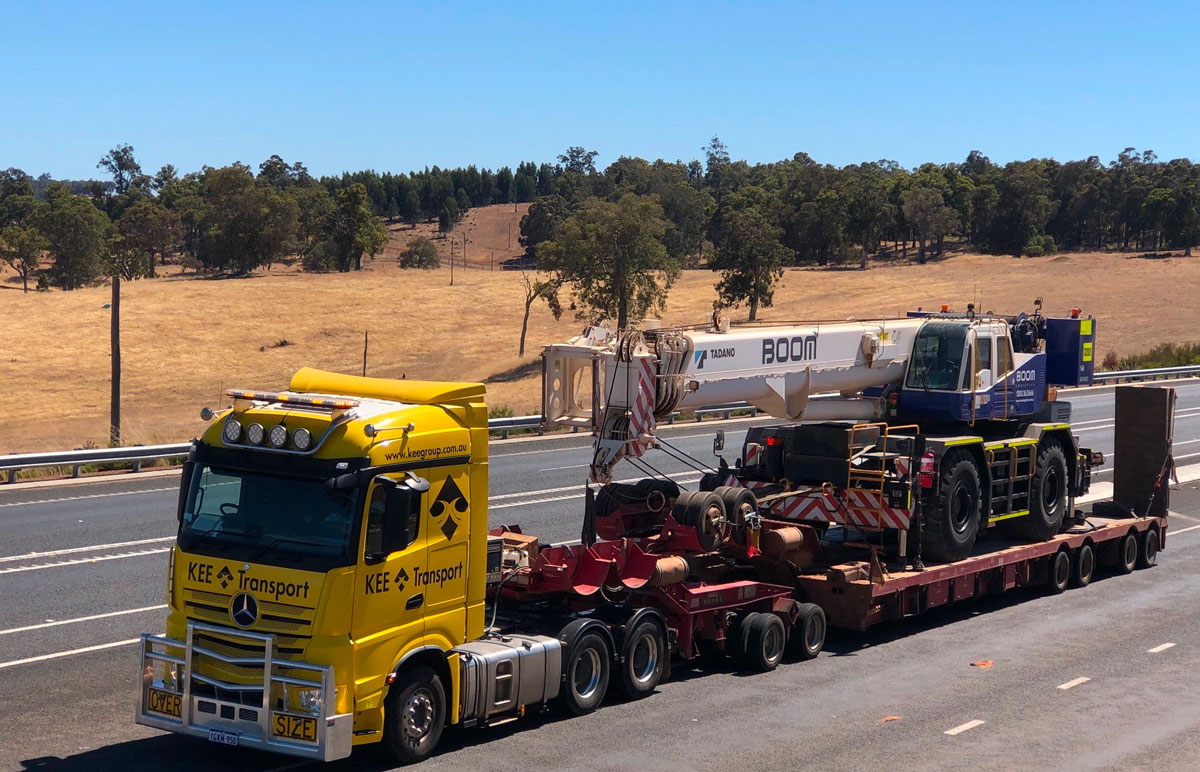
WA Mining Hire Fleet Resilience KPIs and Governance
Building Fleet Resilience Before the Next Disruption
Operational resilience for heavy equipment hire is no longer a nice-to-have in Western Australian mining; it is a survival skill. When the weather shuts down access roads, parts get stuck offshore, or key people are short on site, the hire fleet is often the first place the pressure shows.
Right now, mining and civil teams across WA are feeling the effect of volatile conditions. There are longer lead times on large machinery, more uncertainty in supply chains, and tight production windows late in the year. If heavy plant, surfacing crews, fuel or transport fall over during those peak weeks, there is not much buffer left.
Operational resilience, in simple terms, is the ability to keep people safe, keep production moving, and recover fast when something important breaks or gets cut off. For mining hire fleets, this means planning ahead for how plant, fuel and transport will respond when stress hits, not just hoping that standard maintenance will be enough.
What Operational Resilience Really Means for Hire Fleets
Reliability is about stopping breakdowns. Resilience is about what happens when disruption hits anyway. A fleet can be well maintained and still struggle if roads wash out, fuel deliveries stall, or a key contractor is stuck two days away.
On WA mining and civil projects, we tend to see a few common failure modes:
- Equipment unavailability when a critical machine fails and the spare is hundreds of kilometres away
- Contractor dependency risk when too much production rests on one small supplier
- Unsealed road failure when extended wet weather damages haul roads and access tracks
- Fuel interruptions when delivery windows slip or on-site storage is too tight
- Haulage bottlenecks when transport is delayed getting plant or materials to remote sites
Resilience planning pulls all of this into one picture. When plant hire, road surfacing, transport and on-site fuel are integrated under one provider, it becomes easier to manage risk. There is:
- Single-point accountability when something goes wrong
- Aligned KPIs across plant, surfacing, transport and fuel
- Faster, cleaner incident response because the same team coordinates the moving parts
The goal is simple: when the mine is under pressure, the hire fleet and supporting services flex, absorb the hit, and help the client recover quickly.
Defining KPIs and Stress-Testing Scenarios That Matter
Resilience only becomes real when it is visible in numbers that people care about. That is where clear KPIs and realistic stress tests come together.
For heavy equipment hire, some core resilience KPIs include:
- Fleet availability under stress, not just on a normal day
- Time to mobilise additional units to site
- Coverage of critical spares and backup machines
- Utilisation stability during disruption, how far production actually drops
On top of these, each site will have project-specific KPIs, for example:
- Uptime for network-critical assets like graders, water carts and stabilisers on haul roads
- Fuel security, measured in days of cover at normal and peak burn rates
- Surfacing recovery speed after heavy rain, how fast roads are safe and trafficable again
- On-time completion of tasks on the project critical path
It also helps to balance leading and lagging indicators.
Leading indicators give early warning:
- Near-miss and hazard reports linked to plant and roads
- Ratio of planned versus unplanned maintenance hours
- Transport delays, missed ETAs and repeated rebooking
Lagging indicators show impact:
- Lost production hours tied to plant, fuel, or road access
- Number and length of unplanned shutdowns or slowdowns
To test if these KPIs are realistic, we need stress-test scenarios that reflect WA conditions. Useful scenario types include:
- Cyclone-related access loss cutting key roads or making airstrips unreliable
- Extended wet weather softening unsealed roads and hardstands
- Failure of a critical machine during a peak production push
- Third-party transport delays pushing scheduled deliveries out by days
A simple step-by-step approach to scenario drills looks like this:
- Pre-brief all stakeholders and agree the pretend event and timing
- Clarify which assets and services are affected, such as plant, surfacing, fuel and transport
- Run the simulation, follow the agreed playbook as if the event is real
- Measure performance against resilience KPIs, not only technical response but communication and safety
- Capture lessons learned and lock them into contracts, operating procedures and training
Using RACI and RTOs to Clarify Governance and Recovery Speed
During a disruption, confusion over who does what can cost more time than the event itself. That is where a simple RACI model, shared between the client and the heavy equipment hire partner, makes a big difference.
RACI splits roles into:
- Responsible, who actually does the task
- Accountable, who owns the outcome
- Consulted, who must be involved before decisions are made
- Informed, who needs to know what is happening
For common events, a shared RACI should cover items like:
- Who triggers stand-by or backup plant and when
- Who reprioritises haul roads, access roads and pavements after damage
- Who authorises alternative fuel delivery routes or on-site stock changes
- Who coordinates responses when several contractors are affected at once
Without this, a few governance pitfalls tend to appear:
- Blurred accountability between client and supplier teams
- Confusing escalation paths that slow down decisions
- Unclear safety ownership during rapid recovery work
Tied to clear roles, we also need clear Recovery Time Objectives. An RTO is the maximum tolerable downtime for an asset or service before safety or production is at risk. For a hire fleet and support services, that might cover:
- Loaders and excavators on ROM pads
- Key graders and water carts on main haul routes
- Stabilising and surfacing equipment on production-critical roads
- Mobile refuelling units and bulk fuel supply
Each asset or service can be placed into a tier with different RTOs based on business impact. The trick is to balance ambition with reality by considering:
- Mobilisation distances across WA and actual access to remote sites
- Seasonal access patterns, including wet months and holiday periods
- Depth of the supplier fleet and realistic backup options
- OEM parts and tyre lead times, not just workshop labour
RTOs should be agreed up front and written into contracts so both client and provider plan to the same timeframes.
Embedding Resilience Into Contracts, Daily Practice and a 90-Day Plan
Once KPIs, scenarios, RACI and RTOs are clear, they need to live in contracts and daily routines, not in a folder no one reads.
Contracts with heavy equipment hire partners can translate resilience into:
- Service levels tied to availability, response time and RTOs
- Clear expectations for backup plant and surge capability
- Performance incentives or consequences linked to agreed uptime metrics
On site, governance becomes part of business as usual by:
- Holding regular joint resilience reviews with key contractors
- Using simple dashboards to report on KPIs and recent stress tests
- Building RACI roles into site inductions, prestarts and toolbox talks
Strong resilience planning also supports wider risk and ESG goals. Safer, more reliable roads, efficient fuel logistics and fewer unplanned haulage trips all support better safety outcomes and help reduce waste and rework.
For leaders who want to lift resilience within the next quarter, a simple 90-day action plan could include:
- Week 1 to 4, identify your most critical assets and services, then rank them by production and safety impact
- Week 5 to 8, agree priority disruption scenarios and draft practical KPIs and RTOs for each tier of asset
- Week 9 to 12, refresh RACI matrices with key contractors, and test one or two scenarios in a controlled drill
At this stage, it makes sense to speak with an integrated civil and mining support specialist that can bring plant hire, road surfacing, transport and on-site fuel together. KEE Group operates from Western Australia and is set up to support mining and civil clients who want to turn resilience from a theory into an operational advantage for their heavy equipment hire and support fleets.
Get Started With Your Project Today
If you are ready to lock in reliable machinery and skilled support, KEE Group can help you plan the right mix of equipment for your scope, budget and timeframe. Explore our heavy equipment hire options to secure modern, well-maintained plant for your next job. If you would like tailored advice or a quote, simply contact us and we will respond promptly with practical recommendations.