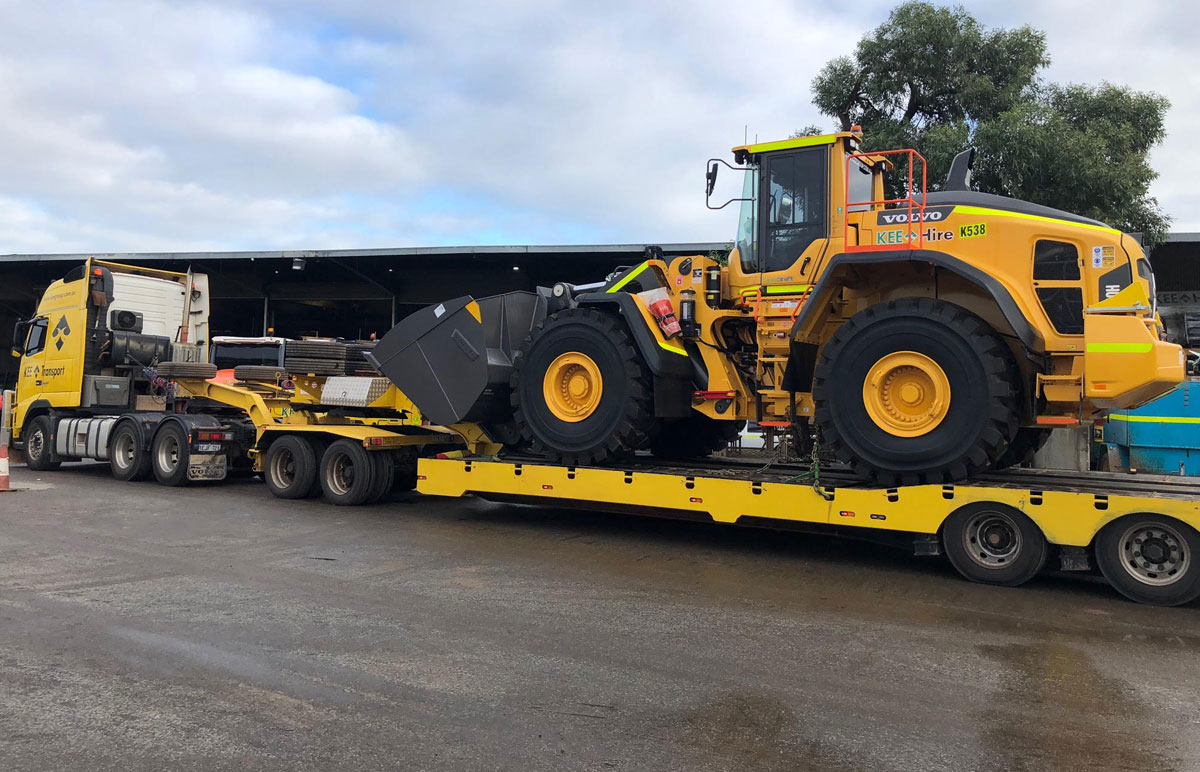
Hybrid Mining Fleets in WA With Smart Hire Plant
Smarter Hybrid Fleets for Tough WA Mining Cycles
Hybrid mining fleets are becoming a practical way to keep production steady while everything around a site keeps changing. Margins tighten, crews are hard to secure, approvals shift, and there is constant pressure to cut emissions, especially on remote operations spread across Western Australia. Operators need gear that can ramp up for peak periods, then scale back without locking in long-term capital.
A mix of owner-operated units, autonomous or semi-autonomous machines, and telematics-enabled hire assets helps smooth those swings. Instead of relying only on owned fleets, sites can plug in extra capacity through machinery hire in Western Australia that is ready to go, already spec’d and supported. That gives mine and project teams more control over risk, without slowing expansion or shutdown plans.
At KEE Group, we see this every day across civil and mining work. By combining modern hire machinery with road-surfacing, transport, fuel, and on-site support, we focus on keeping gear moving and work fronts open, so projects can keep hitting their production and construction targets with less downtime.
Why Hybrid Mining Fleets Are the New Operating Norm
A hybrid fleet is simple in idea, but detailed in practice. On a typical WA resources site it can include a mix of:
- Core owned production units that run every day
- Short- and long-term hire machinery to cover peaks or new pits
- Autonomous-ready or semi-autonomous machines in selected circuits
- Telematics-enabled equipment for live tracking and maintenance planning
- Specialist support units like water carts, service trucks, and fuel trucks
This mix is being driven by commercial pressure. Ore prices move around, contractor models evolve under local industrial settings, and major shutdowns or expansions must still look bankable to boards and investors. Holding a yard full of slow-moving machines no longer makes sense when work fronts shift so often.
Hybrid fleets offer clear operational and financial upsides:
- Faster mobilisation into new pits or satellite deposits
- Less stranded capital tied up in rarely used machines
- Better overall utilisation, as idle units can be off-hired or redeployed
- The chance to trial new technology like autonomy and AI diagnostics through hire, instead of buying untested gear
When the right mix is in place, operators can line up fleet size and type with the real work ahead, not just a static life of mine plan.
Integrating Autonomous and Telematics Assets Into Site Plans
Bringing autonomous or semi-autonomous machines into a working mine means thinking about layout from the start. Haul routes, intersections, load points, and dump areas all need to be set up so manned and unmanned gear can run safely side by side. Clear separation zones, controlled crossings, consistent signage, and reliable communications coverage are all part of that design.
Telematics then acts like the nervous system of the fleet. With good data, supervisors can see:
- Live utilisation across owned and hire units
- Payload and cycle times linked back to production plans
- Idle time and fuel burn for each machine or route
- Maintenance alerts before minor issues turn into failures
This information is not just for the workshop. It feeds into daily production meetings, contractor KPIs, and long-term planning. When hire providers and OEMs link their systems with the mine’s own platforms, decisions around where to send a grader, when to swap a truck, or how to schedule shutdown work become much clearer.
Good governance sits beside the tech. That means updating site procedures, training supervisors and operators on new interfaces, and engaging with workforce and union reps early. Change lands better when people understand why machines are being added or shifted, how their roles evolve, and what support is in place.
Choosing the Right Machinery Hire Mix in Western Australia
Western Australian conditions ask a lot from fleets. Heat, dust, long hauls between hubs, remote airstrips, corrosive coastal air, and cyclone seasons all shape what machinery is suitable and where it should work. From mid-year ramp up through to end-of-year shutdowns, different areas of a site will peak at different times.
A simple framework for what to own and what to hire can help:
- Own the core production units that are loaded most of the year
- Hire specialist gear needed for a few months at a time
- Use hire to cover redundancy on critical paths
- Bring in extra capacity for shutdowns and overhauls, then demobilise
With machinery hire in Western Australia, assets can be rotated as the seasons and work fronts change. A partner with local knowledge of approvals, permits, and heavy haul routes can move compliant, spec’d up units into major mining regions faster, which reduces the risk of gaps between plan and execution.
On-Site Maintenance, Operators, and Fuel as Risk Controls
Remote sites feel every hour of downtime. That is why embedded maintenance crews, field service vehicles, and mobile workshops are so valuable. Instead of waiting for parts and people to travel in, faults can be checked, diagnosed, and often fixed while the machine is still near the work front. This helps protect warranties and reduces the chance of small issues turning into long stoppages, especially during intense shutdown windows.
Keeping operator coverage steady across mixed fleets is just as important. Useful strategies include:
- Cross-skilling operators across similar machine types
- Using relief crews to handle fatigue and peak rosters
- Integrating hire-supplied operators with principal contractor teams
- Providing extra support for new tech in autonomous-ready cabins
Fuel and support services tie everything together. Bundling on-site fuel delivery, basic lubrication management, tyre support, and minor repairs with transport and hire means fewer vendors on site and clearer accountability. It also cuts down on double handling, which is good for both safety and production.
Designing Fleet Contracts Around Data and Downtime
Modern fleet contracts work best when they line up with real site conditions. Instead of simple time-based hire, some operators choose models that link rates or terms to uptime commitments and clear KPIs. Seasonal utilisation can be reflected in rate structures or minimum terms that follow expected production curves.
Key points to lock into scopes and service levels include:
- Response times for breakdowns and fault diagnosis
- Parts availability and logistics expectations
- Access to back-up units where availability is critical
- Reporting cadence and data formats from telematics systems
- How fleet data connects into mine planning and asset management tools
Regular joint reviews between the mine operator, principal contractor, and hire provider help keep things honest and flexible. With live data on utilisation, fuel, idle time, and failure trends, the group can decide to extend, swap, or demobilise units, and plan support for new pits, expansions, or closures with more confidence.
Turning Hybrid Fleet Design Into a Site Advantage
Hybrid fleets that blend owned units with autonomous-ready and telematics-enabled hire assets are becoming a practical way to protect production targets. When that machinery is backed by on-site maintenance, operator coverage, and fuel support, the risk of downtime drops and teams gain more control over their work fronts.
A simple staged approach works well. Start by mapping current fleet gaps and pain points. Then pick priority use cases for hired and autonomous assets, pilot a telematics-led maintenance program on a small circuit, refine what works, and scale across additional pits or projects. With the right planning and the right partners, hybrid fleet design turns from a buzzword into reliable tonnes on the board.
Get Started With Your Project Today
If you are ready to move your project forward with reliable plant and support, we are here to help at KEE Group. Explore our machinery hire in Western Australia to find the right equipment for your job, backed by experienced local support. Talk to our team about your scope, timeline and site conditions so we can recommend the most efficient solution. If you would like tailored advice or a quote, simply contact us and we will respond promptly.