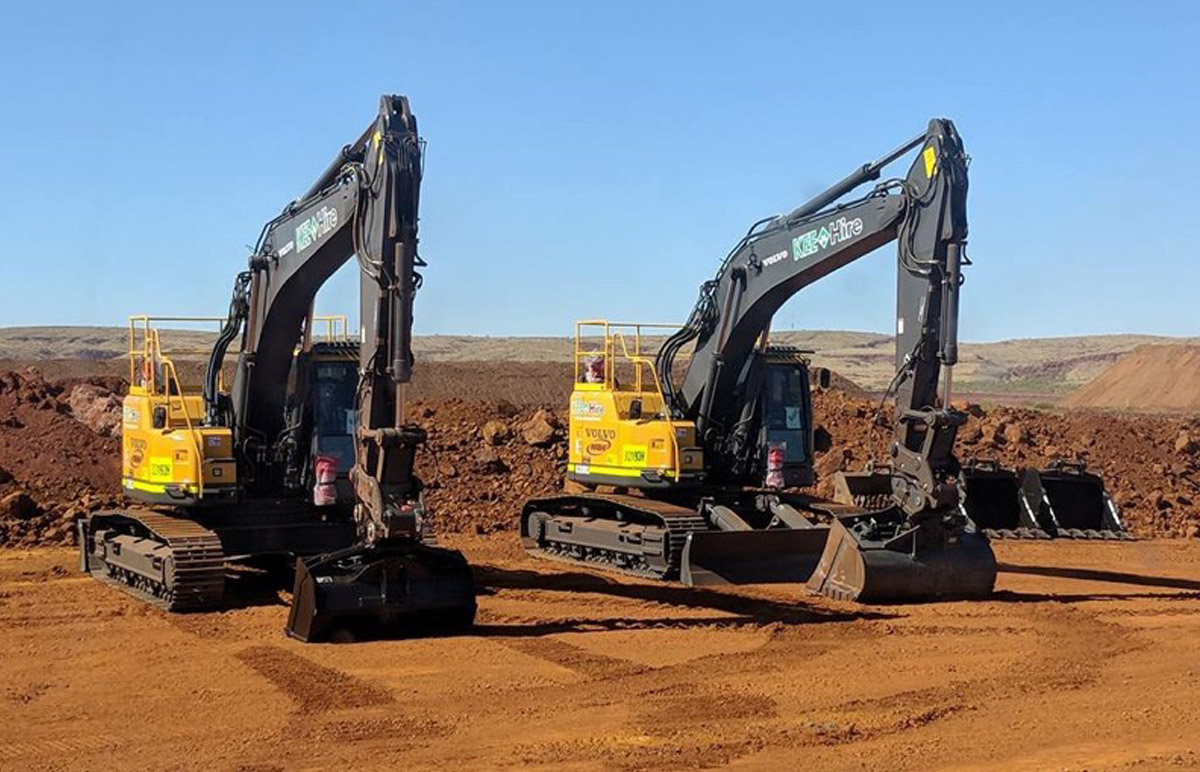
Operational Risk Controls for WA Machinery Hire
Turning Risk Into Uptime for WA Hire Campaigns
Running machinery hire in Western Australia without a clear operational risk register is like running a shift with no plan on the whiteboard. Things might work for a while, but when something goes wrong, it goes wrong quickly. Iron ore, gold, lithium and big infrastructure jobs all rely on hired plant turning up fit for purpose and staying productive from day one to demob.
The gap usually is not that people do not care about risk. It is that risk is scattered across emails, pre-starts, contracts and people’s heads. Here we walk through a simple, site-ready way to pull those pieces into one operational risk register, with early-warning indicators, clear controls and named owners that suit WA heat, dust, remoteness and wet season access pressures.
Designing a Fit-for-Purpose Operational Risk Register
A good register mirrors the life of the hire. For civil and mining plant like graders, watercarts, stabilisers, spreaders, trucks and fuel assets, we want line of sight from pre-mobilisation through mobilisation, operations and demobilisation.
Start by setting the scope and breaking risks into practical categories: HSEQ risks (including people, environment and community), commercial risks (including variations, idle plant and claims), logistics risks (including transport, access and scheduling), asset integrity risks (including maintenance and compliance), and interface risks (with principal contractors and subcontractors).
Each risk line should be simple and consistent. At a minimum, we like to see:
- Risk statement, what can happen, and why it matters
- Triggers, what starts the problem
- Early-warning indicators, what you see before it fails
- Controls, what you do to reduce likelihood or impact
- Owner, who is directly responsible
- Review frequency, how often it is checked
- Escalation threshold, when it must be raised to a higher level
Keeping language plain helps people link the register to day-to-day work. If you want the register to align with frameworks like ISO 31000 and common WA mining standards, the key is structure, repeatable review and clear decision points, not complex wording.
Stopping Problems at the Gate
Most headaches in machinery hire start long before the machine hits the pad. In pre-mobilisation and mobilisation, the risks are usually familiar: the wrong plant is selected for ground conditions or production need, specs do not suit heat, dust or haul profiles, documentation or compliance checks are incomplete, or transport delays knock back production start dates.
You can often see trouble coming if you watch the right early signs, such as:
- RFQs with vague or missing technical detail
- Multiple RFIs on the same spec or scope
- Limited or patchy evidence of OEM maintenance
- Compliance records that do not match MDG15 or relevant AS standards
- Slipping ETAs for transport or slow permitting
Controls here are mostly about disciplined front-end work:
- Plant suitability assessments against site conditions
- Pre-hire condition audits with photos and agreed baselines
- Route planning that includes fatigue risk and remote recovery options
- Contractor HSEQ vetting and clear mobilisation plans
- All inductions booked and confirmed before trucks roll
Owner assignment should be crystal clear. Typically the hire provider manages plant condition and compliance, the client project engineer owns specification clarity, HSEQ owns verifications and induction readiness, and logistics leads own movement plans and route risks.
Keeping Hired Plant Safe and Productive in Live Operations
Once the gear is working on site, the focus shifts to keeping it safe, reliable and cost-effective. Common operational risks include unplanned mechanical failure, operator error, fuel and lubrication problems, unsafe task interfaces and cost blowouts on longer campaigns.
Useful early-warning indicators include:
- Abnormal oil or coolant sample results over a few services
- Rising levels of reactive maintenance versus planned work
- Near-miss trends around specific activities or locations
- Telematics alerts like over-speed, harsh braking and overload
- Consistent misses on production targets without clear cause
Controls should tie into normal site rhythm:
- Structured PM schedules that match OEM guidance and site duty
- OEM-aligned service plans, including condition monitoring
- Daily pre-starts and field leadership interactions at the work face
- Competency verification tied to task, not just ticket
- Fatigue and traffic management that reflect site layout and shift pattern
Ownership is shared, so it must be named. Site supervisors own day-to-day performance, pre-start actions and task controls, maintenance planners own PM execution and backlog control, and HSEQ owns incident trend review and field checks on critical controls. The hire supplier’s asset managers own technical performance and rectification.
When everyone can see the same indicators, they can act before downtime or incidents hit production and safety.
Managing Weather, Roads and Remote Area Risk
WA conditions add another layer. Wet season access in the Pilbara and Kimberley, long haul roads, heat that punishes tyres and hydraulics, and heavy dust loads all shift the risk profile.
Key early-warning indicators for weather and road risks include:
- Road condition reports showing corrugation, potholes or drainage issues
- A rise in bogging, recovery jobs or escort call-outs
- Increasing coolant temperature events or tyre failures
- Adverse weather forecasts and warnings from the Bureau of Meteorology
Controls need to be practical and grounded in site reality:
- Defined road maintenance and surfacing regimes with inspection cycles
- Dewatering and drainage plans for key access routes and laydown areas
- Seasonal mobilisation windows that avoid known high-risk periods where possible
- Adjusted operating envelopes, like speed limits or load limits, during wet or extreme heat
Here, ownership usually sits across civil contractors for road condition, transport coordinators for movement decisions, site supervisors for work stoppage or adjustment calls, and a hire provider liaison to match machine use with current limits.
Finishing Well and Preparing for the Next Campaign
Demobilisation is often rushed, which is why it deserves its own section in the risk register. The main risks are transport damage, incomplete inspections, unresolved defects and lost learnings before the machine heads to the next WA project.
Early signs of trouble are easy to spot if you look:
- Compressed demob schedules compared with original plans
- Close-out paperwork that lags or lacks detail
- Large differences between planned and actual operating hours
- Defects raised right at the end of the job with no clear root cause
Controls here should be simple and repeatable:
- Structured demob checklists for each asset type
- Condition and damage reports completed before loading
- Agreed handback standards built into the original hire agreement
- Compliant transport planning with clear photos and load plans
Project managers should own the overall demob sequence, asset owners should own condition sign-off, and logistics teams on both client and hire sides should own safe movement back to base or onto the next site.
Embedding the Register Into Daily Site Life
A risk register only works if it lives in the way the team actually runs the job. That means linking it to existing rhythms instead of leaving it as a static spreadsheet on a shared drive.
Practical ways to embed it include:
- Picking a small set of leading indicators to review at pre-start or shift handover
- Using weekly planning meetings to update risk status and owners
- Making contractor interface meetings the place to agree on shared risks and controls
Digital fleet, telematics and maintenance tools can feed data straight into your key indicators and trigger alerts for nominated owners. Governance is then about setting a realistic review cadence, managing changes as scope shifts and logging lessons at key milestones so the next hire campaign starts stronger.
For organisations running machinery hire in Western Australia across multiple sites, aligning this operational register with the broader corporate risk framework helps board and senior leaders see where real operational exposure sits and where it is being controlled. From our perspective at KEE Group, the goal is simple: turn risk into uptime, and turn experience into better practice every single campaign.
Get Started With Your Project Today
If you are ready to keep your project on schedule with reliable equipment and expert support, we are here to help at KEE Group. Explore our machinery hire in Western Australia to find the right plant for your job and conditions. Talk to our team about your upcoming works and we will help you match the right machines to your budget and timeline, or contact us to request a tailored quote.