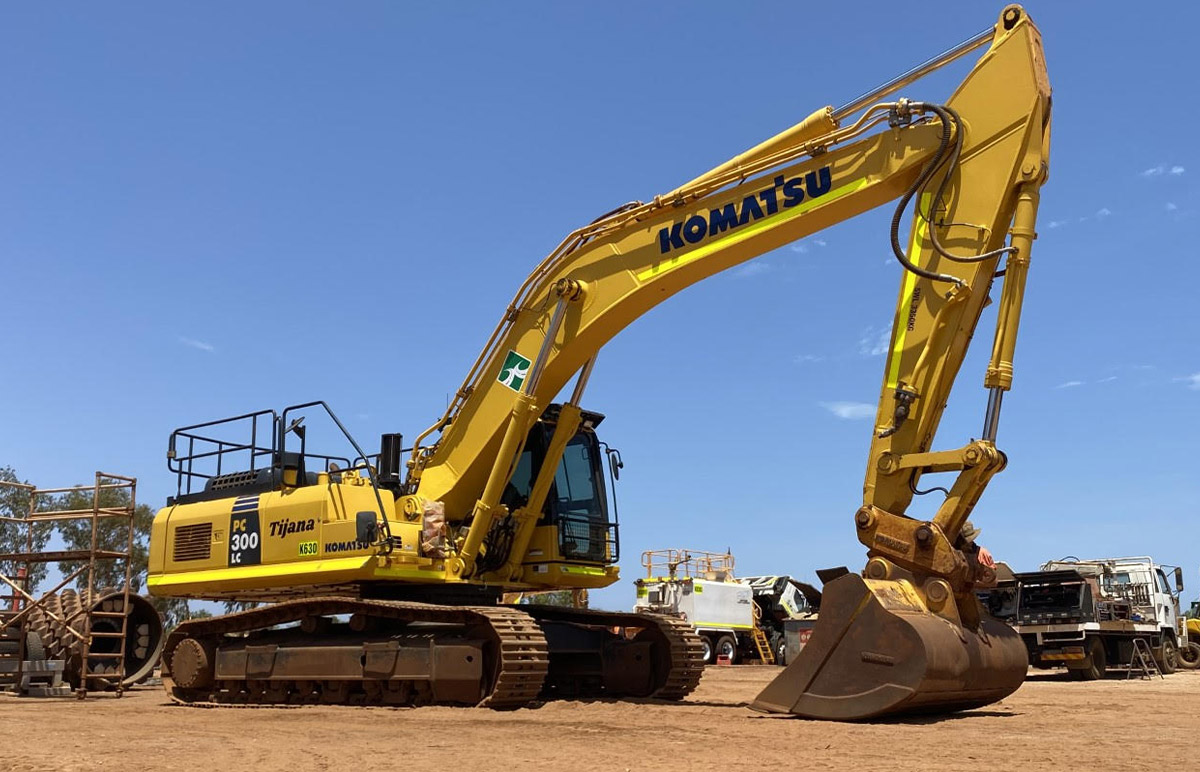
Perth Heavy Equipment Hire Vs Owning Mining Fleets
Rethinking Fleet Strategy in a Volatile WA Market
Owning a big in-house fleet used to feel like the safest path in WA mining and civil work. You bought the gear, put your logo on the side, and pushed it hard for as long as you could. Now cost pressure, labour shortages and tight project windows are forcing many leaders to question if that approach still stacks up.
Across Western Australia, operators are weighing up in-house ownership against heavy equipment hire in Perth and regional hubs. They are asking different questions, not just about rates, but about risk, uptime, safety and the confidence they give clients and investors. This is no longer just a workshop decision, it is a strategy call that touches the whole business.
When we talk about fleet, we look through a few key lenses:
- Total cost of ownership, not just sticker price
- Utilisation across boom, base and slowdown cycles
- Flexibility to respond to new work or delays
- Compliance, safety and technology expectations
- Impact on project delivery and stakeholder trust
As an integrated civil and mining support partner working across plant hire, road surfacing, transport and on-site fuel, we see both sides of the ownership versus hire discussion every day across WA. That gives us a practical view of what actually works on the ground.
Counting the Real Cost of In‑House Fleets
Buying equipment feels simple: you pay for the machine and you own the asset. In practice, the real cost runs much deeper. Total cost of ownership includes everything needed to keep that machine safe, compliant and productive over its life.
Beyond the purchase price, owners carry:
- Depreciation and finance or lease commitments
- Workshops, tooling and diagnostic gear
- Parts and tyres on the shelf
- Storage, yard space and security
- Insurance, registration and compliance checks
Then there is the people side. Keeping an in-house fleet moving means building what is almost a second business inside your core business. You need to attract and keep fitters, auto electricians and supervisors in a tight WA labour market, across metro and remote sites. You also need planners, schedulers and admin staff to handle inspections, work orders, purchasing and reporting.
Unplanned downtime hits hard. When your own machine fails, your team wears the pressure to find parts, juggle labour and keep production going. That draws focus away from the main goal of moving dirt, laying roads or completing infrastructure on time.
Utilisation is another big risk. Capital tied up in gear that sits in the yard during shoulder periods, rain events or slower haul requirements drags on returns. WA resources work is cyclical, and long gaps between projects or slower approvals can turn yesterday’s smart purchase into today’s idle asset.
Compliance adds another layer. Keeping a diverse fleet up to current safety, telematics and emissions expectations needs constant attention. Across WA’s wide distances, keeping standards consistent from Perth to the Pilbara or Goldfields can stretch even well-run internal teams.
When Heavy Equipment Hire in Perth Outperforms Ownership
There are many times when hiring heavy equipment simply works better than owning it. Access to modern, well-maintained machinery without a big upfront spend can free up capital for core production and growth.
Some key advantages of heavy equipment hire in Perth and across WA include:
- Scale up or down quickly as your project pipeline moves
- Access machinery with the latest safety and operator comfort features
- Swap into different specs or attachments as scopes change
- Avoid long lead times on new equipment deliveries
Specialist providers spread the cost of maintenance, compliance and upgrades across large fleets. They invest in systems, technicians and parts stock that can be hard for a single operator to match internally. Those efficiencies can turn into fewer breakdowns and higher availability on site.
Risk transfer matters too. Good plant hire arrangements often include:
- Availability or uptime targets
- Backup machines on call
- 24/7 support during critical works
- Clear processes for breakdown response
That support is especially important on time-sensitive packages like road surfacing, bulk earthworks or mine infrastructure. A failed machine during a short shutdown or a night shift can put the whole program under pressure. Having someone else carry part of that risk can protect your schedule and relationships.
WA’s geography also plays a part. Hire fleets positioned to service Perth, regional centres and remote operations can reduce mobilisation headaches. When machines, transport and support are already set up for local conditions and access roads, you save time and reduce stress at the start and end of each project.
Hybrid Models That Balance Control and Flexibility
Most operators do not have to choose between owning everything or hiring everything. Hybrid models are becoming more common, where a core fleet is owned and hire fills the gaps.
A typical hybrid approach might look like this:
- Keep a core fleet for baseline production on long-term contracts
- Use hire to cover peaks or new contract wins
- Bring in specialised equipment for unusual scopes
- Use hire to bridge delays on long lead OEM deliveries
Good governance is key. Many miners and contractors use:
- Framework agreements with trusted providers
- Pre-qualified plant lists with agreed specs
- Performance-based KPIs tied to uptime, safety and delivery
- Regular review meetings to align on forward work
Integrated support can take hybrids further. When plant hire lines up with transport, fuel and road surfacing, there are fewer interfaces and less chance for disputes or claims. One team is responsible for getting the right gear to site, keeping it fuelled and maintained, and delivering the work frontage ready for the next trade or crew.
Hybrid models are well suited to situations like:
- Trialling new technology without long-term commitment
- Short-duration shutdown works with tight access windows
- Early works on new sites before full fleets land
- Covering seasonal shifts in haul volumes or surfacing windows
Key Questions to Stress-Test Your Fleet Strategy
Before buying more iron or locking in long hire commitments, it helps to slow down and ask some clear questions. A simple checklist can reveal where ownership, hire or a mix makes more sense.
Start with the basics:
- What is the realistic project horizon for the work this gear will support?
- How many hours per week or month can we honestly keep it working?
- Do we have access to capital that is better used on equipment than on core business needs?
- How strong is our internal maintenance capability across all sites?
- How much operational risk are we willing to carry ourselves?
Then layer in WA specific factors:
- How will extreme heat affect maintenance cycles and component wear?
- How will remoteness and access roads affect parts supply and response times?
- What will heavy haul traffic and long shifts do to fuel burn and tyre life?
- How different is the picture on owned gear versus hired gear supported by a specialist provider?
It is useful to model more than one scenario. For example:
- High demand, where work is strong and gear is fully booked
- Base demand, where projects run as planned but with normal pauses
- Slowdown, where approvals slip or commodity prices soften
In each case, compare:
- Standby time and what it really costs
- Redundancy and the impact of a critical failure
- Delay costs against the flexibility of bringing in hire equipment
Early engagement with experienced providers can help benchmark internal costs and assumptions. It can also show what fleet options, transport solutions and on-site fuel support are actually available in the regions you care about.
Turning Fleet Decisions Into a Competitive Edge
A thoughtful mix of ownership, heavy equipment hire in Perth and regional support can lower the cost per tonne moved while protecting safety and schedule performance. The most successful operators treat fleet not as a fixed tradition but as a flexible lever they can adjust as conditions change.
As work programs build and teams look ahead to seasonal weather patterns, haul road conditions and surfacing windows, it is a good time to step back and test your current approach. A clear, honest review of fleet strategy helps sharpen bids, reduce surprises on site and support stronger delivery for clients and communities across Western Australia.
Get Started With Your Project Today
If you are planning your next civil, mining or construction job, KEE Group can supply reliable machinery tailored to your scope and schedule. Explore our heavy equipment hire in Perth to secure the right plant with experienced support behind it. If you are ready to talk through requirements or request a quote, simply contact us and we will help you line up everything you need.