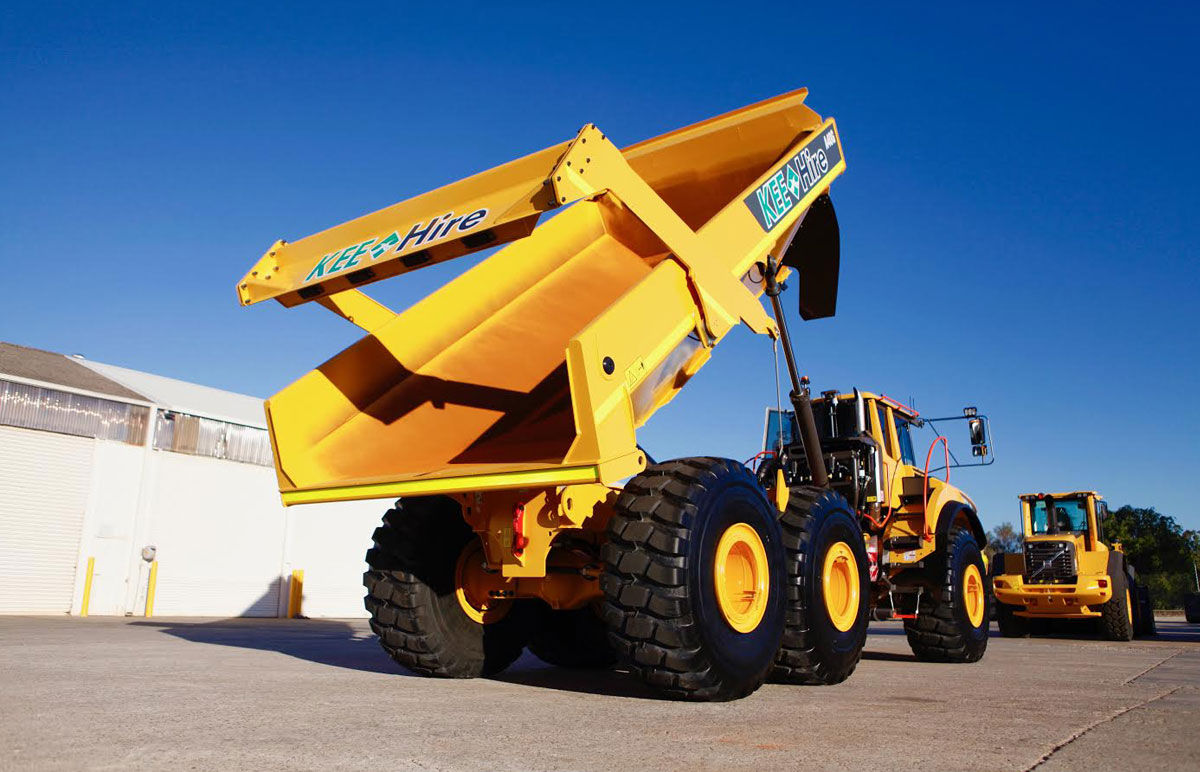
Reducing Downtime With WA Mine Site Dump Truck Hire
Keep Your WA Mine Moving with Smarter Dump Truck Hire
Unplanned downtime on a WA mine site hurts fast. One dump truck parked up at the wrong time can slow the whole production chain, from the pit to the crusher to the port. As production ramps up heading into the warmer, longer days, the pressure to keep every load moving only grows.
Dump truck hire in Perth should never be about keys and a fuel card alone. The real value is in the support wrapped around those trucks, like maintenance, refuelling and tyre services that match your production targets and your site conditions. When those pieces line up, you protect your schedule, your people and your cost per tonne.
We are a Western Australian civil and mining support specialist, and we work in the same remote, hot and dusty conditions our clients deal with every day. Below, we run through practical support models that help stop breakdowns, delays and costly surprises on active mine sites across WA.
Why Downtime on Hired Dump Trucks Hits Your Bottom Line
When one hired dump truck stops, the effects ripple through the whole operation. It is rarely just one missed load. You can end up with:
- Haul queues and idle operators
- Underloaded crushers or plants waiting on feed
- Extra shifts or overtime to chase lost tonnes
- Pressure on shipping or train loading windows
WA mine sites face their own set of challenges. High heat, abrasive dust, long haul roads and remote locations all speed up wear. As the days get hotter and production pushes harder, systems like cooling, hydraulics and tyres are under more stress.
With a simple dry hire model, all of that risk sits on your team. You carry the workload of:
- Planning and booking maintenance
- Organising parts and consumables
- Scheduling and managing refuelling
- Handling tyre inspections, repairs and changeouts
If those pieces are not tightly managed, availability drops and your cost per tonne becomes hard to predict. By shifting to integrated support models, you can smooth out that risk. A truck that is properly maintained, fuelled on time and running on safe tyres is more likely to be ready when your shift starts and still running when it ends.
Planned Maintenance Models That Keep Trucks Working
Good maintenance is not just about fixing things when they break; it is about stopping them from breaking in the first place. For dump truck hire in Perth and across WA, we see three key layers work well together.
First, you have structured daily and weekly checks, such as:
- Pre-start inspections by operators
- Simple visual checks at crib breaks
- End-of-shift notes on any new issues
Next, there are fixed-interval services based on hours. These are planned into your schedule so you know when a unit will be offline. When these are done by technicians trained on the specific make and model, with quality parts and lubricants, it builds a clear and consistent service history for every truck on your site.
Then there is condition-based attention, where field teams respond to warning lights, higher temperatures or unusual noises before they turn into breakdowns. In WA conditions, this is especially helpful for:
- Cooling systems under high ambient temperatures
- Hydraulic hoses and fittings exposed to dust and vibration
- Electrical connectors affected by fine dust
You can run maintenance either off-site in a central workshop or on-site with mobile field service teams. On-site support reduces float costs and time lost moving machines back and forth. It also means issues spotted on a pre-start can often be fixed the same shift, instead of leaving a truck parked up until the next open workshop slot.
Planning these programs before the hotter months arrive gives you time to catch weak components early, rather than waiting for them to fail during peak production.
On-Site Refuelling That Matches Production Targets
Refuelling sounds simple until a truck runs dry at the far end of a haul road. When fuel is an afterthought, you lose precious time waiting for support or running trucks back to a distant bowser.
On-site fuel solutions can match your production rhythm, not the other way around. Common models include:
- Mobile service trucks that run a set route between pits, stockpiles and parking areas
- Bulk storage pods positioned close to action areas
- Refuelling timed with shift changes or crib breaks
When refuelling is planned into your day, trucks are topped up while operators are off the machine. That means less idle waiting and more hours on the move.
Integrated fuel management systems track usage by unit. This kind of data helps you:
- Understand which trucks burn more fuel on certain routes
- Spot operators who may be over-revving or braking too hard
- Report more clearly on fuel usage and emissions
Safety and environmental controls matter as much as efficiency. Good on-site fuel setups will focus on:
- Spill prevention and clean-up procedures
- Compliant storage and transfer equipment
- Clear traffic patterns around fuel points
- After-hours protocols for quiet, low-risk refuelling
When refuelling is handled as part of your hire support, your supervisors spend less time chasing fuel and more time managing production.
Tyre Management Strategies That Prevent Costly Standstills
Tyres are one of the biggest hidden risks on a dump truck fleet. In WA mining conditions, they work hard over sharp rock, hot ground and long hauls. Common causes of failure include:
- Cuts from loose or jagged rock
- Heat build-up from high speeds and heavy loads
- Under-inflation or overloading
- Haul road defects like potholes, spillage or uneven ramps
A good tyre support model does not just change tyres when they fail; it works to stop those failures from happening. Useful elements include:
- On-site tyre service vehicles with trained fitters
- Regular inspections for cuts, bulges and uneven wear
- Pressure checks and adjustments to match loads and routes
- Fast response to flats and damage so trucks are not stranded
Tyre data is another powerful tool. Tracking hours, locations and failure types across your fleet can help you:
- Identify sections of haul road that need more maintenance
- Adjust speed limits or loading practices
- Coach operators on better driving habits
When tyres are managed well, you get fewer unplanned stoppages, longer tyre life and safer trucks on your roads.
Choosing a Dump Truck Hire Partner for WA Conditions
Choosing dump truck hire in Perth is about a lot more than comparing day rates. The real test is what happens when a unit faults at night or fuel runs low on a busy shift.
Key things to look at include:
- Fleet age, condition and spec for your material and haul profiles
- Clear maintenance records and planned service schedules
- On-site support coverage and realistic response times
- Access to field service, fuel and tyre support in remote areas
It also helps to understand how a provider works in WA mining conditions. Familiarity with your standards, hazard controls, contractor systems and seasonal production pressures makes a big difference.
When you review potential partners, useful questions to ask are:
- How do you manage planned and unplanned maintenance on active mine sites?
- What on-site refuelling options can you provide and how are they controlled?
- How do you handle tyre inspections, pressure checks and emergency changeouts?
- What is your typical response time to a breakdown in remote WA locations?
- How is fleet performance reported back to our supervisors and planners?
By looking past the basic hire rate and into the support model behind it, you get a clearer picture of your real cost per tonne and your likely uptime.
Get Started With Your Project Today
If you need reliable dump truck hire in Perth, KEE Group can supply modern, well-maintained units to keep your job moving smoothly. We work closely with you to match the right trucks to your site conditions, timeframe and budget. Talk to our team today about availability, rates and scheduling, or contact us for a tailored quote.