Remote WA Mine Sites Logistics and Mobilisation Playbook for Equipment Hire
Turning Remote Mine Mobilisation Into a Competitive Edge
Remote WA mine sites are won or lost on how quickly and cleanly you can get gear working on the ground. The schedule pressure in the Pilbara, Goldfields and Mid West keeps rising, while HSEQ expectations keep tightening. If mobilisation slips, everything behind it starts to wobble.
The real gap between contractors is not just day rates anymore. It is how reliably you can mobilise, stand up and then keep heavy equipment running in harsh and isolated conditions. That is why a clear logistics and mobilisation playbook for heavy equipment hire in Perth is becoming standard for serious mining and civil teams.
A good playbook looks at far more than just a float booking. It brings together access roads, lead times, camp and maintenance support, fuel and parts coverage, and contingency options if things go sideways. With April and May bringing post wet-season access checks, winter maintenance windows and new project approvals, this is the right time to tighten how you approach mobilisation planning.
Mapping Lead Times Before You Lock in Production Dates
The first trap is locking in production dates before you understand real lead times. Mobilising to remote WA is not one step, it is a chain. Each part can add days if planning starts too late.
Key lead time components usually include:
- Sourcing and preparing the right machines
- Booking and sequencing transport
- Completing inductions and site access paperwork
- Commissioning and inspection once gear lands on site
Seasonal factors across WA can slow each of these. After the wet, unsealed roads may be damaged or restricted. Oversize permits can take longer if authorities are under pressure. Rail and port activity can create extra congestion on shared corridors. All of this affects your mobilisation window for northern and inland sites.
A strategic approach to heavy equipment hire in Perth can shorten the critical path. Helpful steps include:
- Pre-agreed fleet lists for common project types
- Early engineering input on machine selection and attachments
- Aligning mobilisation with shutdowns or staged ramp-up dates
When you work with a provider that can pre-plan machine configurations, lock in float capacity early and stage gear closer to regional hubs, lead times compress and your dates become more realistic.
Designing Transport Corridors That Will Not Break Your Program
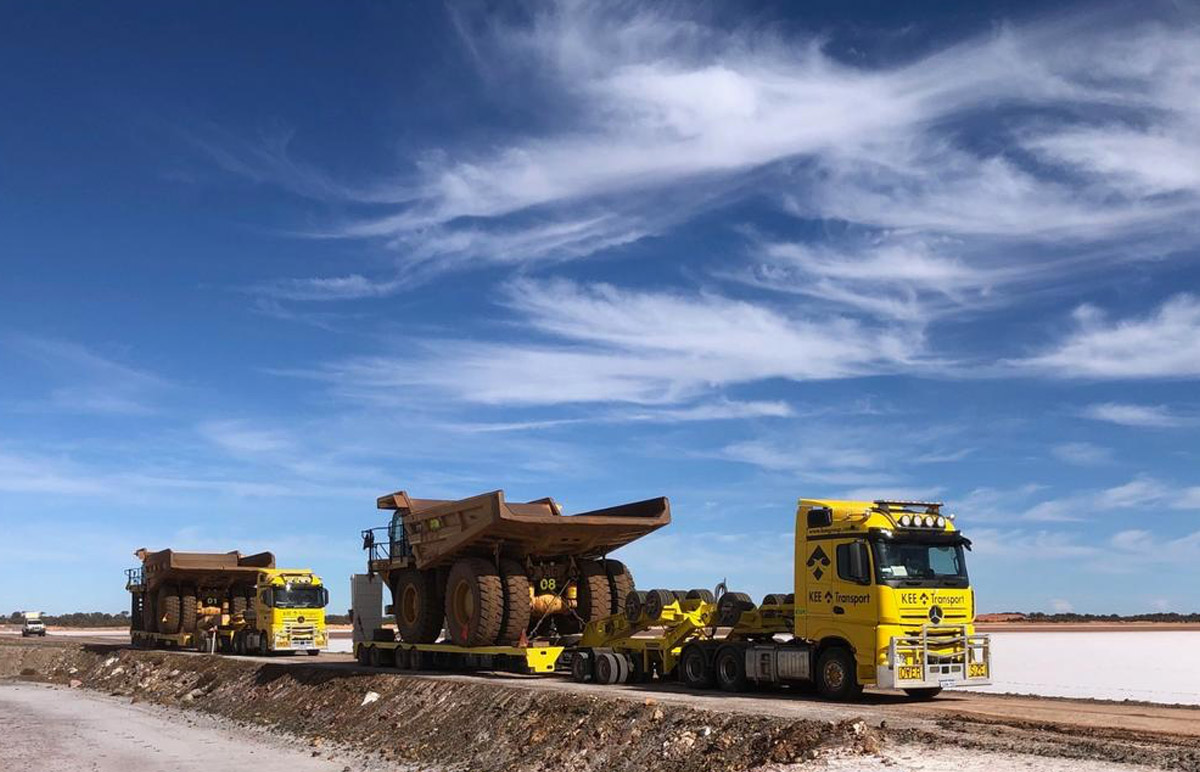
Once you know when you need gear, you need to know how it will actually get there. That means defining practical transport corridors from Perth or regional depots to the mine gate, not just drawing a straight line on a map.
A sound corridor plan usually covers:
- Load sizing and configuration
- Route surveys for tight spots and bridge limits
- Permits, escorts and pilot vehicles
- Approvals with Main Roads, local shires and asset owners
Risk points are often not in the middle of nowhere, but on the edges. Low quality access roads after the wet can slow low loaders to a crawl. Older bridges may have weight or width limits. Regular haul routes can choke up near towns where curfews and community expectations apply. Any one of these can knock a well-costed mobilisation plan off track.
When plant hire, transport and road surfacing work together, you can:
- Stabilise or improve access routes before heavy moves
- Coordinate multiple machine movements on shared floats
- Sequence deliveries so critical-path assets land first
A transport team that really understands WA mining corridors, including common Pilbara and Goldfields routes, seasonal trouble spots and backload opportunities, can cut both time and risk out of each move.
Camp, Fuel and Maintenance Support That Keeps Gear Working
Getting machines to site is only half the story. The other half is where your people will sleep, where the gear will refuel and how you will keep it serviced without constant trips back to town.
Good mobilisation planning should cover:
- How operators, service techs and supervisors will access camp beds
- Whether you need a satellite laydown or light workshop area
- How mobile service trucks will reach each work front
- How bulk fuel will be stored, delivered and tracked
Options range from plugging into existing mine camps through to setting up small satellite areas closer to the work. Mobile service trucks, lube trailers and fuel deliveries need to be scheduled so they support production, not interrupt it.
When plant hire is aligned with on-site fuel and field service support, access and refuelling stay smooth and scheduled maintenance happens on time. This reduces unplanned downtime, lowers the need for risky night moves on rough tracks and gives both owners and contractors clearer visibility on utilisation and operating costs.
Parts Coverage and Contingencies for Harsh WA Conditions
Remote WA is hard on machines. Abrasive ore, long haul cycles and big swings between cool nights and hot days all lift wear rates. If your parts strategy is thin, even a minor failure can park a key unit for days.
Stronger parts coverage usually includes:
- Pre-positioned critical spares for known wear items
- Agreed stocking levels at regional depots or site stores
- Standardised fleets so fewer part types are needed
- Clear 24/7 support commitments in hire agreements
Contingency planning should sit beside this. Think through what you will do if:
- Access roads are closed or weight restricted
- Permits or escorts are delayed at short notice
- A key machine suffers a major breakdown mid-program
Backup units, swing machines and pre-agreed swap options can keep production rolling while repairs happen. Choosing heavy equipment hire in Perth with modern fleets, telematics-based condition monitoring and the scale to swap out gear quickly can turn a major disruption into a minor schedule adjustment.
Turning Your Next Mobilisation Into a Repeatable Playbook
When mobilisation is treated as a repeatable, data-driven process, projects ramp up faster and with fewer surprises. Transport risk drops, utilisation improves and both your team and your client feel more confident in the program.
A simple framework many mining and civil contractors use with us at KEE Group includes:
- Pre-mobilisation workshops to map dates, loads and roles
- Corridor and access reviews, including post-wet checks
- Integrated planning for fuel, camps and maintenance access
- Post-project debriefs to capture lessons and refine the playbook
KEE Group is based in Western Australia and focuses on civil and mining support, so this way of thinking about mobilisation fits naturally with how we work across plant hire, road surfacing, transport and on-site fuel services. When project, procurement and asset managers bring us into the conversation early in the tender or planning cycle, we can help shape a mobilisation plan that suits their specific WA mine sites and future work programs, turning what used to be a scramble into a clear and repeatable playbook.
Get Started With Your Project Today
If you are ready to lock in reliable machinery and support, we can help you plan the right mix of equipment to keep your project moving on schedule. Explore our heavy equipment hire in Perth to access a modern, well maintained fleet with flexible hire options. The team at KEE Group is available to talk through your scope, site conditions, and timelines so you can make confident decisions. To book equipment or request a quote, simply contact us and we will get back to you promptly.