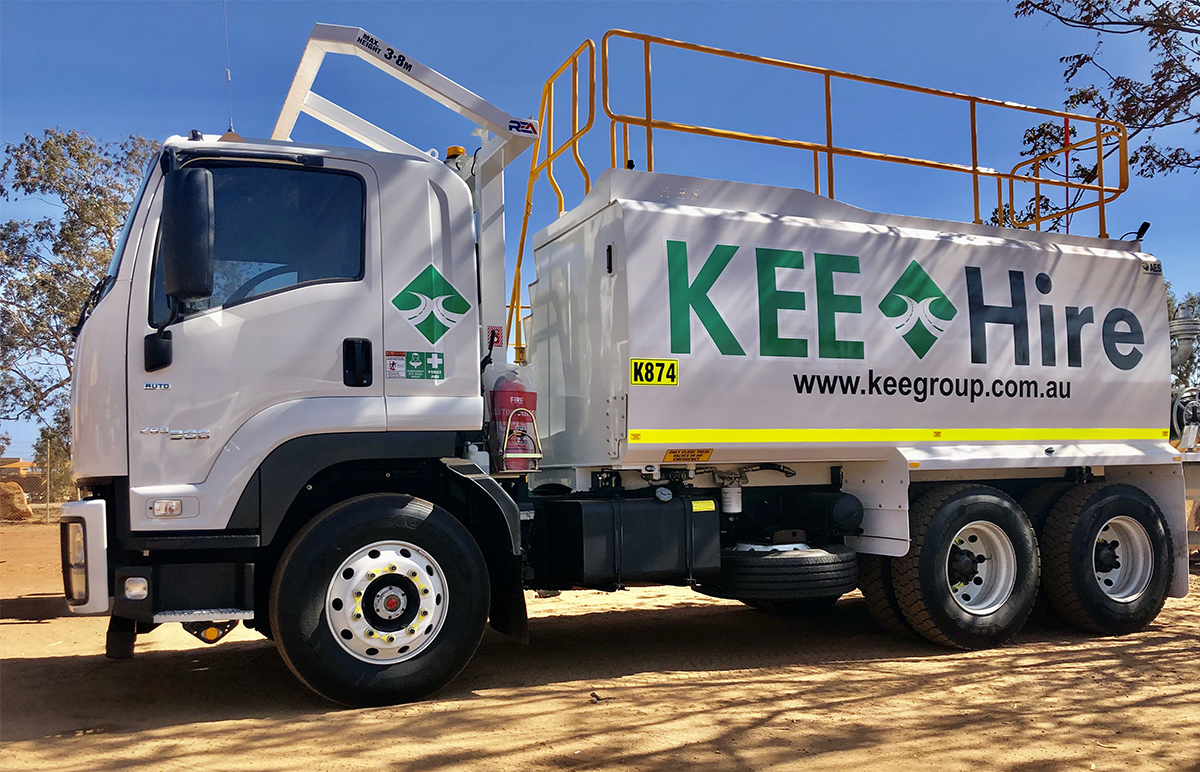
Perth Water Truck Hire Compliance and Safety for Haul Road Watering
Safer Haul Roads in Wet Conditions This Winter
Safe haul roads are not an optional extra; they keep people and production moving. As the winter months arrive in Perth and across regional WA, haul roads often stay damp for longer periods, and dust control needs change. Water carts are still working hard, but now the main risk is not dry, dusty surfaces; it is surfaces that can turn greasy and slippery very quickly.
Water truck hire in Perth is a key control for dust suppression, visibility and road quality on both mining and civil projects. When it is managed well, watering supports safe braking, good sight lines and steady traffic flow. When it is not, it can create wet patches, ruts and near misses.
In this article we walk through four big focus areas for safer haul road watering: fatigue management, traffic interaction, wet-road hazards and site-specific risk controls. With integrated services and experienced operators, businesses can reduce incident exposure instead of adding another risk to the work front.
Regulatory Framework for Haul Road Watering Operations
Water carts work at the heart of mining and civil operations, so they sit under the same safety rules as any other plant. In WA, this includes Work Health and Safety laws and specific mining regulations. Heavy vehicle fatigue rules also apply where relevant, along with site Principal Hazard Management Plans and mine standards.
For a PCBU engaging water truck hire in Perth, duty of care means more than just booking a truck. You are expected to:
- Check that contractors have appropriate systems of work
- Induct operators into site rules and hazards
- Confirm competency for the equipment and the conditions
- Monitor performance and close out issues raised by supervisors and HSE
Auditors and client representatives usually look closely at water cart operations, because they move across so many areas of site. Common documents they expect to see include:
- Safe Work Method Statements or Job Hazard Analyses for watering tasks
- Traffic management plans that cover watering circuits
- Fatigue management plans or alignment with site fatigue rules
- Pre-start checklists, defect reports and maintenance records
When these are clear and consistent, it is easier to show that watering is controlled, not left to chance.
Fatigue Management for Water Cart Operators
Water cart work often seems simple from the outside, but it can be tiring. Operators may run long shifts or nights, follow the same haul route over and over, and feel pressure to keep dust down while production ramps up.
Common fatigue risks include:
- Extended hours with limited breaks
- Night shifts and early starts that disrupt sleep
- Monotonous driving with few changes in view
- High radio traffic and constant instructions from supervisors
Compliant controls focus on planning, not just reacting. That usually means:
- Roster design that builds in sensible maximum hours and minimum breaks
- Fitness-for-work checks before each shift
- Drug and alcohol protocols in line with site rules
- In-vehicle monitoring systems, such as IVMS and drowsiness alerts, where required
A professional water truck hire partner should bring operators who are trained in fatigue awareness, supervised by people who understand both safety and production. Their internal fatigue policies should line up with the mine or project rules, so operators are not getting mixed messages about when to rest and when to push on.
Managing Traffic Interaction and Right-of-Way Risks
A water cart almost never works alone. It is sharing space with haul trucks, graders, scrapers, light vehicles and sometimes contractors on foot. On narrow haul roads or busy construction work fronts, this mix can create real risk if everyone is not working to the same plan.
Good traffic interaction control starts with clear design:
- Up-to-date traffic management plans that include watering patterns
- Designated watering circuits and turn points
- Clear right-of-way rules between water carts, haul trucks and graders
- Speed limits that reflect current road condition, not just dry design
Communication is just as important. Standard controls include:
- Agreed UHF channels and call-up points for intersections and pit entries
- Radio calls when entering or leaving watering zones
- Rules around no-overtaking while watering
A competent water truck hire provider supports these controls with the right gear and training. That often looks like high-visibility mine-spec lighting, LED beacons, clear vehicle signage, quality mirrors and cameras, and where required, proximity detection systems. Operators should be trained in defensive driving on active sites, including how to manage blind spots, pedestrians and light vehicles that may not always follow the rules as well as they should.
Controlling Wet-Road Hazards and Water Application Rates
The biggest technical risk with watering is simple: too much water in the wrong place. On grades, corners or tight cambers, that can mean reduced traction, longer stopping distances or even loss of control. Heavy vehicles are especially exposed if braking on a glossy surface created by over-watering.
Typical wet-road hazards include:
- Loss of grip on climbs, declines and sharp bends
- Rutting and potholing that can throw vehicles off line
- Increased braking distances for loaded trucks
- Rollover risk where cambers and windrows are already marginal
Best practice watering focuses on control, not volume. Good operators will:
- Use multiple light passes rather than one heavy saturation pass
- Target high-dust areas instead of drenching the whole road width
- Adjust output for current weather, such as backing off when there is natural surface moisture
- Work closely with graders to keep cross-fall and surface shape correct
Practical risk controls that help include:
- No-water zones near intersections, declines and tight corners
- Drainage that actually moves water away from the running surface
- Temporary signage or flags where conditions are known to be slippery
- Regular inspections of known problem spots during and after watering rounds
Site-Specific Risk Controls and Choosing the Right Water Truck Partner
No two haul roads are identical. Gradients, material type, climate, traffic volumes and even proximity to workshops and crib huts all change the risk profile. That is why a simple one-size-fits-all watering method can create as many problems as it solves.
A solid site-specific assessment will look at:
- Steep ramps and areas with poor escape options
- Soft materials that turn quickly to slurry
- High-traffic intersections, refuelling bays and workshop approaches
- Areas used often by light vehicles and buses
Equipment selection also has a big impact on safety. When you plan water truck hire in Perth, it helps to think about:
- Tank size that suits your haul routes and standpipe locations
- Spray bar layout for even coverage
- Choice between fan sprays, dribble bars or both, depending on road type
- In-cab water flow controls for quick adjustment to conditions
- Braking systems and mine-spec build suitable for WA mining and civil work
For B2B operations in mining and resources, there is a real advantage in working with a provider that understands project schedules, shutdown windows and integration with other services like plant hire, road surfacing, transport and on-site fuel. That way, water carts are not operating in isolation; they are part of a joined-up plan that supports both production and safety across the whole project lifecycle.
By taking the time to line up compliance, operator fatigue, traffic controls, watering technique and site-specific risks, haul road watering can shift from being a constant worry to a steady control that keeps your people and plant moving more safely through the winter months.
Get Started With Your Project Today
If you are planning earthworks or road construction and need reliable dust control, our team at KEE Group is ready to help. Explore our flexible options for water truck hire in Perth and get the right unit matched to your site conditions and schedule. We can talk you through capacities, delivery timings and support so your project keeps moving efficiently. For tailored advice or a quick quote, simply contact us and we will get back to you promptly.