Operational Risk Controls for WA Machinery Hire

Excavator Hire perth

Turning Risk Into Uptime for WA Hire Campaigns

Running machinery hire in Western Australia without a clear operational risk register is like running a shift with no plan on the whiteboard. Things might work for a while, but when something goes wrong, it goes wrong quickly. Iron ore, gold, lithium and big infrastructure jobs all rely on hired plant turning up fit for purpose and staying productive from day one to demob.

The gap usually is not that people do not care about risk. It is that risk is scattered across emails, pre-starts, contracts and people’s heads. Here we walk through a simple, site-ready way to pull those pieces into one operational risk register, with early-warning indicators, clear controls and named owners that suit WA heat, dust, remoteness and wet season access pressures.

Designing a Fit-for-Purpose Operational Risk Register

A good register mirrors the life of the hire. For civil and mining plant like graders, watercarts, stabilisers, spreaders, trucks and fuel assets, we want line of sight from pre-mobilisation through mobilisation, operations and demobilisation.

Start by setting the scope and breaking risks into practical categories: HSEQ risks (including people, environment and community), commercial risks (including variations, idle plant and claims), logistics risks (including transport, access and scheduling), asset integrity risks (including maintenance and compliance), and interface risks (with principal contractors and subcontractors).

Each risk line should be simple and consistent. At a minimum, we like to see:

  • Risk statement, what can happen, and why it matters  
  • Triggers, what starts the problem  
  • Early-warning indicators, what you see before it fails  
  • Controls, what you do to reduce likelihood or impact  
  • Owner, who is directly responsible  
  • Review frequency, how often it is checked  
  • Escalation threshold, when it must be raised to a higher level  

Keeping language plain helps people link the register to day-to-day work. If you want the register to align with frameworks like ISO 31000 and common WA mining standards, the key is structure, repeatable review and clear decision points, not complex wording.

Stopping Problems at the Gate

Most headaches in machinery hire start long before the machine hits the pad. In pre-mobilisation and mobilisation, the risks are usually familiar: the wrong plant is selected for ground conditions or production need, specs do not suit heat, dust or haul profiles, documentation or compliance checks are incomplete, or transport delays knock back production start dates.

You can often see trouble coming if you watch the right early signs, such as:

  • RFQs with vague or missing technical detail  
  • Multiple RFIs on the same spec or scope  
  • Limited or patchy evidence of OEM maintenance  
  • Compliance records that do not match MDG15 or relevant AS standards  
  • Slipping ETAs for transport or slow permitting  

Controls here are mostly about disciplined front-end work:

  • Plant suitability assessments against site conditions  
  • Pre-hire condition audits with photos and agreed baselines  
  • Route planning that includes fatigue risk and remote recovery options  
  • Contractor HSEQ vetting and clear mobilisation plans  
  • All inductions booked and confirmed before trucks roll  

Owner assignment should be crystal clear. Typically the hire provider manages plant condition and compliance, the client project engineer owns specification clarity, HSEQ owns verifications and induction readiness, and logistics leads own movement plans and route risks.

Keeping Hired Plant Safe and Productive in Live Operations

Once the gear is working on site, the focus shifts to keeping it safe, reliable and cost-effective. Common operational risks include unplanned mechanical failure, operator error, fuel and lubrication problems, unsafe task interfaces and cost blowouts on longer campaigns.

Useful early-warning indicators include:

  • Abnormal oil or coolant sample results over a few services  
  • Rising levels of reactive maintenance versus planned work  
  • Near-miss trends around specific activities or locations  
  • Telematics alerts like over-speed, harsh braking and overload  
  • Consistent misses on production targets without clear cause  

Controls should tie into normal site rhythm:

  • Structured PM schedules that match OEM guidance and site duty  
  • OEM-aligned service plans, including condition monitoring  
  • Daily pre-starts and field leadership interactions at the work face  
  • Competency verification tied to task, not just ticket  
  • Fatigue and traffic management that reflect site layout and shift pattern  

Ownership is shared, so it must be named. Site supervisors own day-to-day performance, pre-start actions and task controls, maintenance planners own PM execution and backlog control, and HSEQ owns incident trend review and field checks on critical controls. The hire supplier’s asset managers own technical performance and rectification.

When everyone can see the same indicators, they can act before downtime or incidents hit production and safety.

Managing Weather, Roads and Remote Area Risk

WA conditions add another layer. Wet season access in the Pilbara and Kimberley, long haul roads, heat that punishes tyres and hydraulics, and heavy dust loads all shift the risk profile.

Key early-warning indicators for weather and road risks include:

  • Road condition reports showing corrugation, potholes or drainage issues  
  • A rise in bogging, recovery jobs or escort call-outs  
  • Increasing coolant temperature events or tyre failures  
  • Adverse weather forecasts and warnings from the Bureau of Meteorology  

Controls need to be practical and grounded in site reality:

  • Defined road maintenance and surfacing regimes with inspection cycles  
  • Dewatering and drainage plans for key access routes and laydown areas  
  • Seasonal mobilisation windows that avoid known high-risk periods where possible  
  • Adjusted operating envelopes, like speed limits or load limits, during wet or extreme heat  

Here, ownership usually sits across civil contractors for road condition, transport coordinators for movement decisions, site supervisors for work stoppage or adjustment calls, and a hire provider liaison to match machine use with current limits.

Finishing Well and Preparing for the Next Campaign

Demobilisation is often rushed, which is why it deserves its own section in the risk register. The main risks are transport damage, incomplete inspections, unresolved defects and lost learnings before the machine heads to the next WA project.

Early signs of trouble are easy to spot if you look:

  • Compressed demob schedules compared with original plans  
  • Close-out paperwork that lags or lacks detail  
  • Large differences between planned and actual operating hours  
  • Defects raised right at the end of the job with no clear root cause  

Controls here should be simple and repeatable:

  • Structured demob checklists for each asset type  
  • Condition and damage reports completed before loading  
  • Agreed handback standards built into the original hire agreement  
  • Compliant transport planning with clear photos and load plans  

Project managers should own the overall demob sequence, asset owners should own condition sign-off, and logistics teams on both client and hire sides should own safe movement back to base or onto the next site.

Embedding the Register Into Daily Site Life

A risk register only works if it lives in the way the team actually runs the job. That means linking it to existing rhythms instead of leaving it as a static spreadsheet on a shared drive.

Practical ways to embed it include:

  • Picking a small set of leading indicators to review at pre-start or shift handover  
  • Using weekly planning meetings to update risk status and owners  
  • Making contractor interface meetings the place to agree on shared risks and controls  

Digital fleet, telematics and maintenance tools can feed data straight into your key indicators and trigger alerts for nominated owners. Governance is then about setting a realistic review cadence, managing changes as scope shifts and logging lessons at key milestones so the next hire campaign starts stronger.

For organisations running machinery hire in Western Australia across multiple sites, aligning this operational register with the broader corporate risk framework helps board and senior leaders see where real operational exposure sits and where it is being controlled. From our perspective at KEE Group, the goal is simple: turn risk into uptime, and turn experience into better practice every single campaign.

Get Started With Your Project Today

If you are ready to keep your project on schedule with reliable equipment and expert support, we are here to help at KEE Group. Explore our machinery hire in Western Australia to find the right plant for your job and conditions. Talk to our team about your upcoming works and we will help you match the right machines to your budget and timeline, or contact us to request a tailored quote.

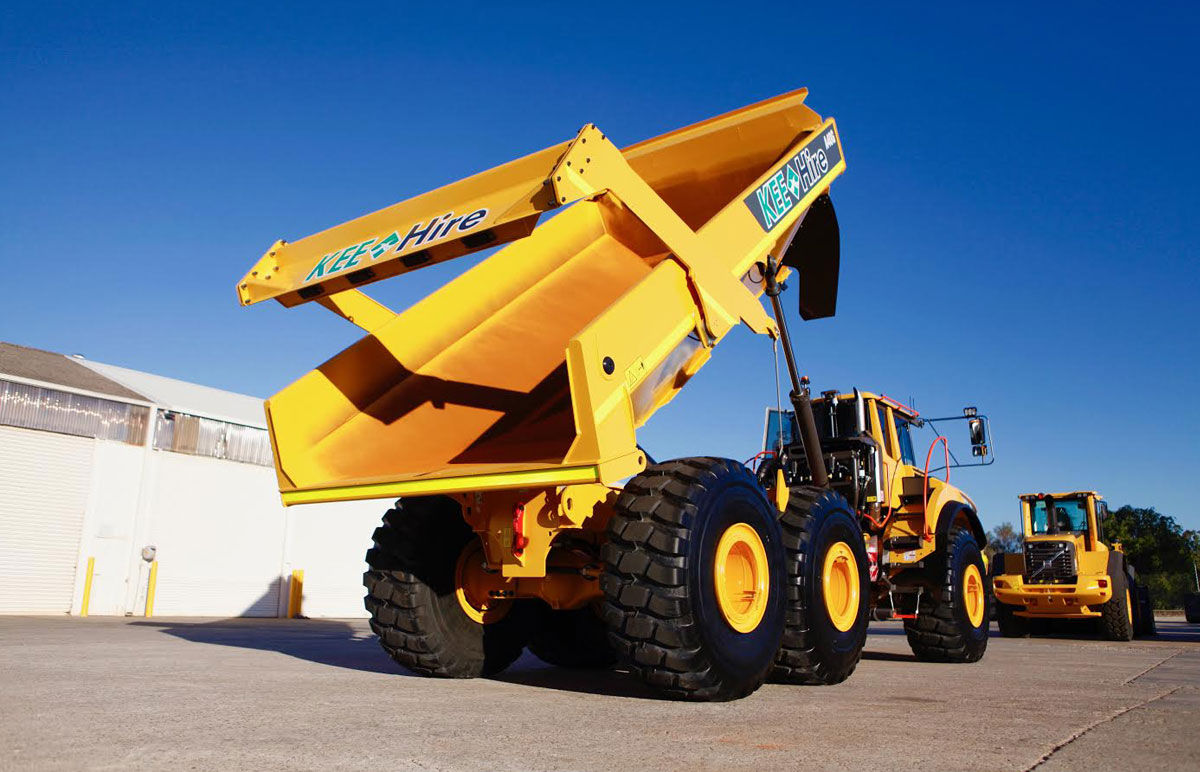
Selecting the Right Dump Truck Hire Strategy for WA Mine Haulage

dump truck hire perth

Maximising Haulage Efficiency in WA Mine Operations

Selecting the right dump truck hire strategy can make or break haulage performance on a mine. The trucks might look like simple tools, but the way you hire, run and support them has a direct impact on productivity, safety and cost per tonne. When margins are tight and ESG expectations are rising, guesswork around haulage is a luxury most WA operations cannot afford.

Across Western Australia, conditions change fast. Pilbara heat, summer storms, heavy traffic on access roads and long distances between sites all put pressure on haulage. Choosing the right dump truck hire in Perth is not just about getting machines on site, it is about keeping ore moving, day in and day out, with as little disruption as possible.

In this article, we walk through how mining companies and contractors can think about hire models, fleet mix and support partners so they can line up the right strategy before the first truck turns a wheel.

Understanding Your Haulage Requirements Upfront

Good haulage planning starts long before a truck is delivered. The first step is to build a clear profile of the orebody and the haul routes you need to service.

Key questions to cover include:  

  • What are the average and maximum haul distances?  
  • What gradients and ramp designs are involved?  
  • What are the underfoot conditions in wet and dry periods?  
  • Which loading tools will be feeding the trucks?  
  • What tonnes per hour are you expected to hit at each stage of the project?

It also helps to think in terms of the full project life, not just day one. Production rarely stays flat. There are ramp-up periods, peak production windows, shutdowns and sometimes step changes in mine design. All of these influence the best hire term, from short, flexible arrangements through to locked-in, long-term contracts.

You also need a clear picture of your internal capability. Some teams have:  

  • Experienced operators ready to go  
  • Workshop capacity on site  
  • Existing fleet management and scheduling tools  

Others prefer a fully supported solution where the provider supplies machines, maintenance and possibly operators. Being honest about your current strengths will save pain down the track and helps you pick a hire model that matches how your team actually works.

Choosing the Right Dump Truck Types and Specs

Once the haulage task is clear, the next step is matching truck type and specification to the mine. Different truck designs shine in different conditions.

In broad terms.  

  • Rigid dump trucks suit large, well-formed pits with long, consistent hauls and good road quality.  
  • Articulated dump trucks work better on tighter benches, steeper grades and softer or variable ground.  
  • Off-highway trucks can handle big payloads on long hauls where productivity per pass is the priority.

Payload capacity needs to line up with your loading tools. Too small and you waste loading cycles. Too large and you risk under-loading or strain on roads and ramps. Body configuration also matters. Rock bodies, coal bodies, liners and tailgates all affect payload, material retention and wear.

Other spec choices that impact cost per tonne include:  

  • Fuel efficiency and engine rating  
  • Tyre selection for heat, distance and underfoot conditions  
  • Safety systems such as collision awareness and proximity alerts  
  • Visibility aids like cameras and work lights

Across WA sites, mine-spec compliance is non-negotiable. This often includes safety interlocks, isolation points, fatigue monitoring systems, fire suppression and telematics. When you are assessing dump truck hire in Perth, it pays to confirm that units can meet Tier 1 and Tier 2 site standards without major rework or delay.

Aligning Hire Models with Budgets and Risk

With the technical side in place, the next choice is how you actually hire the trucks. Each hire model comes with its own balance of cost, control and risk.

Common options include:  

  • Dry hire, where you supply operators, fuel and maintenance  
  • Wet hire, where trucks come with operators, and you share some of the risk of performance  
  • Fully managed fleets, where the provider handles equipment, maintenance and often fleet optimisation

Short-term or spot hire works well for temporary peaks, trial pits or unexpected breakdown cover. Project-based deals line up with defined scopes of work and clear start and finish dates. Longer-term arrangements tend to support consistent, steady production and can simplify planning.

Commercial settings can be just as important as the rate itself. Items to think through include:  

  • Minimum hours or minimum monthly commitments  
  • Hourly rates versus tonne-kilometre or other output-based metrics  
  • Mobilisation and demobilisation terms  
  • KPIs linked to availability, utilisation or payload

Spending time on these details helps share risk fairly, especially where there are seasonal disruptions or variable production.

Integrating Dump Truck Hire with Wider Site Logistics

Dump trucks never work in isolation. For real gains in efficiency, hire decisions should slot into the wider site logistics plan.

At a minimum, haulage planning should be linked to:  

  • Excavators, loaders and dozers  
  • Road surfacing and ongoing maintenance  
  • Traffic management and intersection design  
  • On-site fuel storage and refuelling plans

Optimised haul roads make a huge difference. Correct pavement design, regular grading and good drainage reduce rolling resistance and cut cycle times, which means fewer trucks to hit the same production target. Road surfacing that stands up through summer storms and heavy use can also reduce unplanned downtime.

Support services around fuel are just as important. On-site refuelling, fuel management systems and clean, reliable supply help keep engines healthy and trucks turning. Coordinated heavy transport to move equipment between projects across WA can also reduce idle periods and keep fleets working where they add the most value.

Managing Seasonal and Operational Variability Across WA

Western Australian mines face a mix of heat, dust and intense rain events, often in quick succession. These conditions affect tyres, fuel burn, visibility and even operator comfort, which in turn impact availability and productivity.

When you plan dump truck hire in Perth, consider how different seasons and operating modes will change:  

  • Tyre wear rates on hot, abrasive roads  
  • Fuel usage on soft or damaged haul roads after storms  
  • Dust levels and the need for sprays and sealing  
  • Safe operating speeds and following distances

It is also smart to build in contingency. Backup units, flexible hire clauses and clear maintenance strategies make it easier to keep haulage running through weather events, breakdowns or sudden changes to the mine plan.

Data is your friend here. Telematics, payload monitoring and fuel reporting help you:  

  • Right-size the fleet for each stage of the project  
  • Match truck numbers to excavator capacity  
  • Cut idle time and queuing  
  • Spot emerging maintenance issues before they turn into long outages

Partnering with an Integrated Haulage Support Provider

Choosing a hire partner is not just about trucks on a rate sheet. Working with an integrated civil and mining support provider can simplify life across the board. A team that understands plant hire, road surfacing, transport and on-site fuels can line up all the moving parts of haulage, from the pit floor to the ROM pad.

At KEE Group in Western Australia, we see the benefits of this joined-up approach every day. When one provider looks after dump truck hire, haul road surfacing, heavy haulage for mobilisation and on-site fuel solutions, it becomes easier to hold a single standard for safety, maintenance and performance across the fleet. This supports better accountability, smoother mobilisation and more reliable tonnes to the crusher as production ramps up.

Get Started With Your Project Today

If you need reliable haulage support for your next job, KEE Group can supply the right trucks and operators to keep everything moving on schedule. Explore our tailored options for dump truck hire in Perth and get equipment matched to your site conditions and timeframe. Talk to our team about your upcoming works and we will help you plan the most efficient solution, or simply contact us to request a quote.

Hybrid Mining Fleets in WA With Smart Hire Plant

vehicle hire

Smarter Hybrid Fleets for Tough WA Mining Cycles

Hybrid mining fleets are becoming a practical way to keep production steady while everything around a site keeps changing. Margins tighten, crews are hard to secure, approvals shift, and there is constant pressure to cut emissions, especially on remote operations spread across Western Australia. Operators need gear that can ramp up for peak periods, then scale back without locking in long-term capital.

A mix of owner-operated units, autonomous or semi-autonomous machines, and telematics-enabled hire assets helps smooth those swings. Instead of relying only on owned fleets, sites can plug in extra capacity through machinery hire in Western Australia that is ready to go, already spec’d and supported. That gives mine and project teams more control over risk, without slowing expansion or shutdown plans.

At KEE Group, we see this every day across civil and mining work. By combining modern hire machinery with road-surfacing, transport, fuel, and on-site support, we focus on keeping gear moving and work fronts open, so projects can keep hitting their production and construction targets with less downtime.

Why Hybrid Mining Fleets Are the New Operating Norm

A hybrid fleet is simple in idea, but detailed in practice. On a typical WA resources site it can include a mix of:

  • Core owned production units that run every day  
  • Short- and long-term hire machinery to cover peaks or new pits  
  • Autonomous-ready or semi-autonomous machines in selected circuits  
  • Telematics-enabled equipment for live tracking and maintenance planning  
  • Specialist support units like water carts, service trucks, and fuel trucks  

This mix is being driven by commercial pressure. Ore prices move around, contractor models evolve under local industrial settings, and major shutdowns or expansions must still look bankable to boards and investors. Holding a yard full of slow-moving machines no longer makes sense when work fronts shift so often.

Hybrid fleets offer clear operational and financial upsides:

  • Faster mobilisation into new pits or satellite deposits  
  • Less stranded capital tied up in rarely used machines  
  • Better overall utilisation, as idle units can be off-hired or redeployed  
  • The chance to trial new technology like autonomy and AI diagnostics through hire, instead of buying untested gear  

When the right mix is in place, operators can line up fleet size and type with the real work ahead, not just a static life of mine plan.

Integrating Autonomous and Telematics Assets Into Site Plans

Bringing autonomous or semi-autonomous machines into a working mine means thinking about layout from the start. Haul routes, intersections, load points, and dump areas all need to be set up so manned and unmanned gear can run safely side by side. Clear separation zones, controlled crossings, consistent signage, and reliable communications coverage are all part of that design.

Telematics then acts like the nervous system of the fleet. With good data, supervisors can see:

  • Live utilisation across owned and hire units  
  • Payload and cycle times linked back to production plans  
  • Idle time and fuel burn for each machine or route  
  • Maintenance alerts before minor issues turn into failures  

This information is not just for the workshop. It feeds into daily production meetings, contractor KPIs, and long-term planning. When hire providers and OEMs link their systems with the mine’s own platforms, decisions around where to send a grader, when to swap a truck, or how to schedule shutdown work become much clearer.

Good governance sits beside the tech. That means updating site procedures, training supervisors and operators on new interfaces, and engaging with workforce and union reps early. Change lands better when people understand why machines are being added or shifted, how their roles evolve, and what support is in place.

Choosing the Right Machinery Hire Mix in Western Australia

Western Australian conditions ask a lot from fleets. Heat, dust, long hauls between hubs, remote airstrips, corrosive coastal air, and cyclone seasons all shape what machinery is suitable and where it should work. From mid-year ramp up through to end-of-year shutdowns, different areas of a site will peak at different times.

A simple framework for what to own and what to hire can help:

  • Own the core production units that are loaded most of the year  
  • Hire specialist gear needed for a few months at a time  
  • Use hire to cover redundancy on critical paths  
  • Bring in extra capacity for shutdowns and overhauls, then demobilise  

With machinery hire in Western Australia, assets can be rotated as the seasons and work fronts change. A partner with local knowledge of approvals, permits, and heavy haul routes can move compliant, spec’d up units into major mining regions faster, which reduces the risk of gaps between plan and execution.

On-Site Maintenance, Operators, and Fuel as Risk Controls

Remote sites feel every hour of downtime. That is why embedded maintenance crews, field service vehicles, and mobile workshops are so valuable. Instead of waiting for parts and people to travel in, faults can be checked, diagnosed, and often fixed while the machine is still near the work front. This helps protect warranties and reduces the chance of small issues turning into long stoppages, especially during intense shutdown windows.

Keeping operator coverage steady across mixed fleets is just as important. Useful strategies include:

  • Cross-skilling operators across similar machine types  
  • Using relief crews to handle fatigue and peak rosters  
  • Integrating hire-supplied operators with principal contractor teams  
  • Providing extra support for new tech in autonomous-ready cabins  

Fuel and support services tie everything together. Bundling on-site fuel delivery, basic lubrication management, tyre support, and minor repairs with transport and hire means fewer vendors on site and clearer accountability. It also cuts down on double handling, which is good for both safety and production.

Designing Fleet Contracts Around Data and Downtime

Modern fleet contracts work best when they line up with real site conditions. Instead of simple time-based hire, some operators choose models that link rates or terms to uptime commitments and clear KPIs. Seasonal utilisation can be reflected in rate structures or minimum terms that follow expected production curves.

Key points to lock into scopes and service levels include:

  • Response times for breakdowns and fault diagnosis  
  • Parts availability and logistics expectations  
  • Access to back-up units where availability is critical  
  • Reporting cadence and data formats from telematics systems  
  • How fleet data connects into mine planning and asset management tools  

Regular joint reviews between the mine operator, principal contractor, and hire provider help keep things honest and flexible. With live data on utilisation, fuel, idle time, and failure trends, the group can decide to extend, swap, or demobilise units, and plan support for new pits, expansions, or closures with more confidence.

Turning Hybrid Fleet Design Into a Site Advantage

Hybrid fleets that blend owned units with autonomous-ready and telematics-enabled hire assets are becoming a practical way to protect production targets. When that machinery is backed by on-site maintenance, operator coverage, and fuel support, the risk of downtime drops and teams gain more control over their work fronts.

A simple staged approach works well. Start by mapping current fleet gaps and pain points. Then pick priority use cases for hired and autonomous assets, pilot a telematics-led maintenance program on a small circuit, refine what works, and scale across additional pits or projects. With the right planning and the right partners, hybrid fleet design turns from a buzzword into reliable tonnes on the board.

Get Started With Your Project Today

If you are ready to move your project forward with reliable plant and support, we are here to help at KEE Group. Explore our machinery hire in Western Australia to find the right equipment for your job, backed by experienced local support. Talk to our team about your scope, timeline and site conditions so we can recommend the most efficient solution. If you would like tailored advice or a quote, simply contact us and we will respond promptly.

What Mining Projects Get Wrong About Operator and Maintenance Coverage

dump trucks

Stop Treating Operators and Coverage as an Afterthought

Heavy machinery hire in Perth can look perfect on a spreadsheet. The right machine mix, the right capacity, the right dates. Then the gear lands on site, and half of it sits still because the operator, maintenance and changeover coverage was never planned with the same care. That is where projects start leaking time and money.

The real problem is not just the machines you bring in, it is how you keep them working safely, hour after hour. That comes down to people, rosters, skills, access and support services lining up with your production plan. When those pieces do not connect, even the best plant list will not hit the numbers you promised.

At KEE Group, we see this across WA, from Perth-based projects to remote operations in the Pilbara. Because we bring together plant hire, surfacing, transport and on-site fuel, we see how workforce coverage and availability planning can lift utilisation, or quietly drag it down.

The Hidden Coverage Gaps That Stall Production

Many mining projects plan operators to match nameplate machine hours. On paper, each unit has someone on it for every shift. In real life, rosters and human needs cut into that time, and small gaps turn into long idle stretches.

Common gaps that creep in include:

  • Planning for 12-hour shifts, but not removing time for pre-starts, crib breaks and travel  
  • Forgetting the impact of nights and weekends on operator availability  
  • Assuming the same crew can cover weather delays without rework to rosters  

Meal breaks and crib breaks alone can strip a chunk of productive time from each shift. Add the walk or drive to and from the work front, daily inspections, refuelling and any short delays at the edge of the pit, and the hours actually moving dirt drop further. If that is not factored into your coverage model, machines appear covered but still sit parked.

Then there are the disruptions that almost never get modelled properly:

  • Short-notice absenteeism and fatigue management  
  • Medical checks, inductions and refresher training  
  • Site access delays for new or visiting operators  
  • Spot checks and safety stand-downs

These do not sound dramatic, but when they line up with a key pour, a big cut or a tight haul schedule, production slips. The project team then blames the plant, when the real issue was coverage planning that did not reflect how people actually work.

Maintenance Windows That Clash with Critical Path

Another common trap is planning machinery hire around project dates, then dropping the OEM service intervals into the schedule later. It seems fine until a major service lands right in the middle of a shutdown tie-in or your peak haulage window. Suddenly the machine you were counting on has to stop.

Reactive breakdown work is often treated as a surprise, but a lot of it can be predicted enough to plan for. Things like:

  • Machine age and hours  
  • Duty cycle and load  
  • Terrain, gradients and haul road condition  
  • Heat, dust and the kind of work the unit is doing

If you know you are running hard in typical WA mining conditions, it makes sense to build proactive maintenance windows into your schedule, not bolt them on at the end. Best practice is to link those windows with both the project program and crew rosters.

That way, when a machine is down, you already know how to keep value flowing. For example, you might:

  • Redeploy operators to other units or tasks during scheduled downtime  
  • Bring in a float unit to cover a high-priority activity  
  • Combine major services with natural lulls in the work front  
  • Align fuel and service trucks to minimise extra travel time

This kind of joined-up thinking stops maintenance from clashing with your critical path and helps you protect production while still looking after your plant.

Misaligned Changeovers That Kill Utilisation

Changeovers can quietly chew through utilisation if they are not planned around machinery deployment. Shift change, crew change and contractor changeovers often run on their own clocks. Machines then sit ready, but the people who can safely run them are busy in crib, handover or transport.

We see issues like:

  • Shift change happening while key machines are meant to be at peak use  
  • Contractor teams cycling off site with no overlap for handover on the plant  
  • Transport runs that bring operators to the work front long after machines are released

Onboarding new operators is another slow leak. Inductions, checking licences, site rules, hazard awareness and learning specific surfacing or haulage tasks all take real time. Remote WA sites can add extra layers like camp briefings, longer travel windows and stricter access steps. If you do not plan for that, your machines will arrive before your operators are truly ready to work.

High-performing projects tend to treat changeovers as part of the production system, not an admin task. They use tactics such as:

  • Staggered shift change so critical machines always have someone at the controls  
  • Short overlap shifts for key roles during major ramp-ups or ramp-downs  
  • Lining up crib breaks, transport and induction times with machine deployment windows  
  • Extra coverage on the days when large groups of new operators hit site

When the timing is right, transition days look almost the same as a normal production day, at least from the plant utilisation view.

Rethinking Heavy Machinery Hire for Peak Season Pressure

Across WA, many projects feel the squeeze when they are trying to ramp back up after wet season interruptions or long shutdowns, then drive hard toward year-end production targets. Equipment access is only one piece. Workforce-and-availability planning becomes even more important once the weather lets you get back on the ground.

Heavy machinery hire in Perth, on its own, will not fix stop-start progress. It needs to come with matching thought around operators, support crews and maintenance. Projects that handle this well look ahead and plan for:

  • Extra units that can be rolled in quickly when ground conditions improve  
  • Relief operators who know the site and can slot into key roles  
  • Contingency maintenance slots during periods of high running hours  
  • Flexible transport plans to move crews as work fronts open up

This kind of planning gives you a buffer when access is tight or the work front moves fast. When the window for high production opens, you are not scrambling for people or stuck waiting on unplanned downtime. Your machines and your crews are ready at the same time.

Partnering for Coverage That Matches Your Production Ambition

For project managers and asset leaders, a good starting point is a simple audit of your current coverage model. Take a recent period of heavy machinery hire and map the true productive hours against the hire hours. Where did you lose time?

Look for patterns where:

  • Operators were not available, even though machines were on hire  
  • Maintenance landed on top of key milestones  
  • Changeovers, inductions or access issues slowed everything down  

Once you see those gaps, you can design coverage that matches your production ambition, not just your plant list. This works best when planning brings everything together in one view, including plant hire, surfacing crews, transport and on-site fuel.

An integrated approach makes it easier to line up service intervals with rosters, organise fuel and support at the right times and build realistic coverage for operators and maintainers. That is the kind of planning that keeps machines working, keeps people safe and keeps WA mining projects hitting their targets.

Get Started With Your Project Today

If you are planning your next civil or construction job and need reliable plant, KEE Group is ready to help you line up the right machines and support. Explore our heavy machinery hire in Perth options and secure well-maintained equipment that keeps your project moving on schedule. If you would like tailored advice or a quote, simply contact us and we will work with you to match the gear to your scope and timeframe.

Data Driven Watering Plans for WA Mine Roads

water truck hire Perth

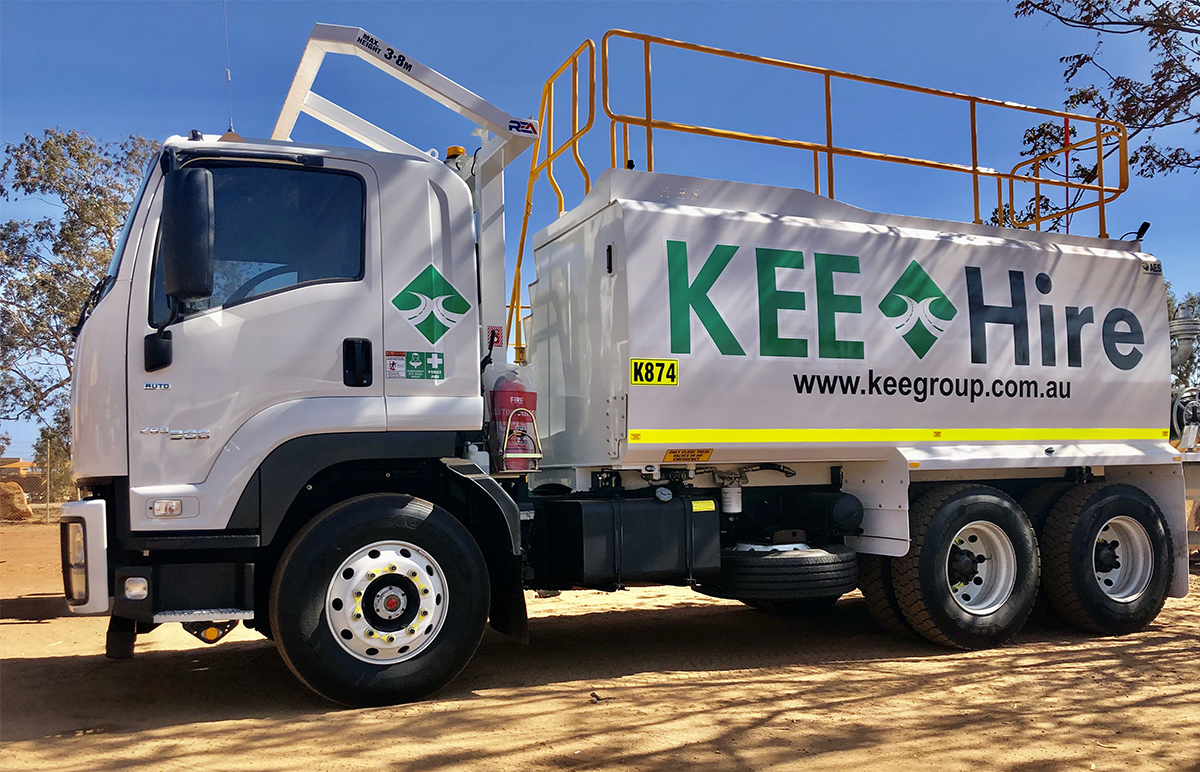
Turning Water Carts Into a Strategic Mine Asset

Water carts keep haul roads safe, but they also pull on one of Western Australia’s tightest resources: water. Across the Pilbara, Goldfields and Mid West, sites are feeling the squeeze from water scarcity, ESG expectations and rising haul road maintenance costs. Every lap a cart does now needs to work harder for the operation, not just keep the dust down for a few minutes.

Simply adding more units or running them longer is not a long-term answer. Through long dry periods and windy fronts, this old approach leads to soft roads, dust complaints and a lot of wasted fuel. A data-driven watering plan lets sites cut water use, extend road life and improve safety, while getting more value from water cart hire in Perth and regional WA.

The Hidden Cost of Traditional Watering Patterns

On many mines, watering patterns are based on habit. Carts follow fixed runs, operators rely on their own judgement, and changes are usually made only when someone complains about dust or when a supervisor spots a problem. It keeps the wheels turning, but it also hides a lot of cost.

Common issues include:

  • Overwatering on low-traffic segments  
  • Under-watering on busy ramps and intersections  
  • Extra passes just to “be seen to be doing something”  
  • No link between watering and road maintenance plans  

Overwatering softens the surface. That leads to:

  • Corrugations and rutting  
  • Bogging in soft shoulders  
  • Higher tyre and suspension damage  
  • Loss of productivity when trucks back off or stop  

Under-watering creates the opposite problem. Dust spikes can trigger:

  • Reduced visibility for operators  
  • Exceedances against site limits  
  • Short-term road closures or speed reductions  

All of this rolls into the bottom line. More grader hours, more frequent re-sheeting, extra fuel, and water carts acting like rolling sprinklers instead of engineered dust controls. The equipment is there, but the strategy behind it is not.

Building the Data Foundation: Traffic, Weather and Dust

A smarter watering plan starts with better information. The goal is simple: put water where and when it actually manages risk. To do that, we need to pull together three key data sets.

Traffic data tells you how hard each road segment is being worked. That might include:

  • Truck counts by hour and shift  
  • Payload and speed data for different routes  
  • Known pinch points like intersections and dump faces  

Weather data shapes how quickly roads dry out. Useful sources include:

  • On-site weather stations  
  • Local automatic weather services  
  • Forecast models for upcoming fronts and wind shifts  

Dust data closes the loop. This can come from:

  • Fixed dust monitors at high-risk locations  
  • Mobile units on light vehicles or water carts  
  • Site environmental systems that track against limits  

When these streams are combined, patterns begin to show. For example, you might see that a north-facing ramp with heavy traffic and strong afternoon winds drives most of the dust alerts. Or that some low-traffic roads are being watered far more than they need. This is the base for a targeted plan.

Turning Insights Into a Dynamic Watering Plan

Once the data picture is clear, the next step is changing how water is applied. Instead of fixed loops, watering becomes dynamic and risk-based.

Key steps include:

  • Dividing haul roads into zones based on traffic and dust risk  
  • Setting trigger thresholds for each zone, such as dust levels or road moisture bands  
  • Scheduling passes where they matter most, for example ramps, intersections and dump approaches  

Rather than sending carts on long, repeated loops, planners can focus on:

  • Peak traffic windows during shift changes and blast clearance  
  • Periods of high wind or very low humidity  
  • Routes that have recent maintenance or new sheeting  

Data also helps match the right water cart fleet to actual demand. For some sites, that may mean:

  • Larger capacity units for long, high-volume ramps  
  • Smaller, more agile carts for benches and tight pit layouts  
  • Adjusted spray bar set-ups to cover the correct width at the right speed  

This way, water cart hire in Perth and remote WA is based on need, not guesswork.

Smart Use of Water Carts to Protect Haul Roads

Even the best plan fails if the water is put down poorly. Smart operation protects both the road and the fleet using it.

Important operating factors include:

  • Droplet size that wets the surface properly without misting away  
  • Application rates that reach binding moisture, not soaked slurry  
  • Spray width that matches the running surface, not the wind  

Watering should also link tightly with road maintenance. When graders cut and shape a road, there is a short window where the formation can be compacted and locked in. Coordinated watering can:

  • Support compaction after grading or sheeting  
  • Reduce early potholing and raveling  
  • Extend the time between major maintenance passes  

Operator training is key here. With clear guidance and tools in the cab, operators can follow:

  • Route guidance that shows priority zones  
  • Speed controls to keep application rates consistent  
  • Simple alerts when zones are due or when they can be skipped  

This turns the plan from a spreadsheet into reliable field execution.

Measuring Performance: Water, Dust and Road Life

To keep improving, sites need to track the right numbers. Helpful metrics include:

  • Water usage per kilometre of road or per tonne moved  
  • Number and duration of dust exceedances  
  • Average road roughness from regular condition surveys  
  • Tyre, suspension and undercarriage damage trends  
  • Hours of unplanned road closures or speed reductions  

Water cart telemetry can show where and when water was applied, at what rate and speed. Combined with road inspections and dust data, this creates a feedback loop. Planners can then:

  • Fine-tune schedules and trigger points  
  • Reset priorities when new pits open or routes change  
  • Adjust fleet size as production ramps up or down  

A data-backed approach also supports ESG and compliance work. When sites can clearly show how they manage water use and dust, it becomes easier to:

  • Report on water efficiency and reuse  
  • Demonstrate air quality performance  
  • Communicate with regulators, communities and corporate stakeholders  

Partnering with Specialists to Fast-Track Results

Designing and running a data-driven watering plan is not just about the water carts themselves. It works best when plant hire, road surfacing and support services are considered together.

As a Western Australian civil and mining support provider, we work across plant hire, road surfacing, transport and on-site fuel. That gives us a broad view of how haul roads, production fleets and support units interact day to day. We can help site teams select suitable water carts for different benches and pit conditions, integrate them into wider haul road strategies, and keep availability high so the plan holds up in the field.

For mining and resources operators across Perth and WA, taking a fresh look at watering is an opportunity. Moving from fixed rounds to a data-driven watering plan can cut water use, improve road life, and support safer, smoother haulage across the whole operation.

Get Started With Your Project Today

If you are ready to keep dust under control and your site running smoothly, our water cart hire in Perth is available to support projects of all sizes. At KEE Group, we take the time to understand your scope and recommend the most suitable water cart solution. Speak with our team today to discuss availability, pricing and logistics, or contact us to request a tailored quote.

Perth Heavy Equipment Hire Vs Owning Mining Fleets

plant hire perth

Rethinking Fleet Strategy in a Volatile WA Market

Owning a big in-house fleet used to feel like the safest path in WA mining and civil work. You bought the gear, put your logo on the side, and pushed it hard for as long as you could. Now cost pressure, labour shortages and tight project windows are forcing many leaders to question if that approach still stacks up.

Across Western Australia, operators are weighing up in-house ownership against heavy equipment hire in Perth and regional hubs. They are asking different questions, not just about rates, but about risk, uptime, safety and the confidence they give clients and investors. This is no longer just a workshop decision, it is a strategy call that touches the whole business.

When we talk about fleet, we look through a few key lenses:

  • Total cost of ownership, not just sticker price  
  • Utilisation across boom, base and slowdown cycles  
  • Flexibility to respond to new work or delays  
  • Compliance, safety and technology expectations  
  • Impact on project delivery and stakeholder trust  

As an integrated civil and mining support partner working across plant hire, road surfacing, transport and on-site fuel, we see both sides of the ownership versus hire discussion every day across WA. That gives us a practical view of what actually works on the ground.

Counting the Real Cost of In‑House Fleets

Buying equipment feels simple: you pay for the machine and you own the asset. In practice, the real cost runs much deeper. Total cost of ownership includes everything needed to keep that machine safe, compliant and productive over its life.

Beyond the purchase price, owners carry:

  • Depreciation and finance or lease commitments  
  • Workshops, tooling and diagnostic gear  
  • Parts and tyres on the shelf  
  • Storage, yard space and security  
  • Insurance, registration and compliance checks  

Then there is the people side. Keeping an in-house fleet moving means building what is almost a second business inside your core business. You need to attract and keep fitters, auto electricians and supervisors in a tight WA labour market, across metro and remote sites. You also need planners, schedulers and admin staff to handle inspections, work orders, purchasing and reporting.

Unplanned downtime hits hard. When your own machine fails, your team wears the pressure to find parts, juggle labour and keep production going. That draws focus away from the main goal of moving dirt, laying roads or completing infrastructure on time.

Utilisation is another big risk. Capital tied up in gear that sits in the yard during shoulder periods, rain events or slower haul requirements drags on returns. WA resources work is cyclical, and long gaps between projects or slower approvals can turn yesterday’s smart purchase into today’s idle asset.

Compliance adds another layer. Keeping a diverse fleet up to current safety, telematics and emissions expectations needs constant attention. Across WA’s wide distances, keeping standards consistent from Perth to the Pilbara or Goldfields can stretch even well-run internal teams.

When Heavy Equipment Hire in Perth Outperforms Ownership

There are many times when hiring heavy equipment simply works better than owning it. Access to modern, well-maintained machinery without a big upfront spend can free up capital for core production and growth.

Some key advantages of heavy equipment hire in Perth and across WA include:

  • Scale up or down quickly as your project pipeline moves  
  • Access machinery with the latest safety and operator comfort features  
  • Swap into different specs or attachments as scopes change  
  • Avoid long lead times on new equipment deliveries  

Specialist providers spread the cost of maintenance, compliance and upgrades across large fleets. They invest in systems, technicians and parts stock that can be hard for a single operator to match internally. Those efficiencies can turn into fewer breakdowns and higher availability on site.

Risk transfer matters too. Good plant hire arrangements often include:

  • Availability or uptime targets  
  • Backup machines on call  
  • 24/7 support during critical works  
  • Clear processes for breakdown response  

That support is especially important on time-sensitive packages like road surfacing, bulk earthworks or mine infrastructure. A failed machine during a short shutdown or a night shift can put the whole program under pressure. Having someone else carry part of that risk can protect your schedule and relationships.

WA’s geography also plays a part. Hire fleets positioned to service Perth, regional centres and remote operations can reduce mobilisation headaches. When machines, transport and support are already set up for local conditions and access roads, you save time and reduce stress at the start and end of each project.

Hybrid Models That Balance Control and Flexibility

Most operators do not have to choose between owning everything or hiring everything. Hybrid models are becoming more common, where a core fleet is owned and hire fills the gaps.

A typical hybrid approach might look like this:

  • Keep a core fleet for baseline production on long-term contracts  
  • Use hire to cover peaks or new contract wins  
  • Bring in specialised equipment for unusual scopes  
  • Use hire to bridge delays on long lead OEM deliveries  

Good governance is key. Many miners and contractors use:

  • Framework agreements with trusted providers  
  • Pre-qualified plant lists with agreed specs  
  • Performance-based KPIs tied to uptime, safety and delivery  
  • Regular review meetings to align on forward work  

Integrated support can take hybrids further. When plant hire lines up with transport, fuel and road surfacing, there are fewer interfaces and less chance for disputes or claims. One team is responsible for getting the right gear to site, keeping it fuelled and maintained, and delivering the work frontage ready for the next trade or crew.

Hybrid models are well suited to situations like:

  • Trialling new technology without long-term commitment  
  • Short-duration shutdown works with tight access windows  
  • Early works on new sites before full fleets land  
  • Covering seasonal shifts in haul volumes or surfacing windows  

Key Questions to Stress-Test Your Fleet Strategy

Before buying more iron or locking in long hire commitments, it helps to slow down and ask some clear questions. A simple checklist can reveal where ownership, hire or a mix makes more sense.

Start with the basics:

  • What is the realistic project horizon for the work this gear will support?  
  • How many hours per week or month can we honestly keep it working?  
  • Do we have access to capital that is better used on equipment than on core business needs?  
  • How strong is our internal maintenance capability across all sites?  
  • How much operational risk are we willing to carry ourselves?  

Then layer in WA specific factors:

  • How will extreme heat affect maintenance cycles and component wear?  
  • How will remoteness and access roads affect parts supply and response times?  
  • What will heavy haul traffic and long shifts do to fuel burn and tyre life?  
  • How different is the picture on owned gear versus hired gear supported by a specialist provider?  

It is useful to model more than one scenario. For example:

  • High demand, where work is strong and gear is fully booked  
  • Base demand, where projects run as planned but with normal pauses  
  • Slowdown, where approvals slip or commodity prices soften  

In each case, compare:

  • Standby time and what it really costs  
  • Redundancy and the impact of a critical failure  
  • Delay costs against the flexibility of bringing in hire equipment  

Early engagement with experienced providers can help benchmark internal costs and assumptions. It can also show what fleet options, transport solutions and on-site fuel support are actually available in the regions you care about.

Turning Fleet Decisions Into a Competitive Edge

A thoughtful mix of ownership, heavy equipment hire in Perth and regional support can lower the cost per tonne moved while protecting safety and schedule performance. The most successful operators treat fleet not as a fixed tradition but as a flexible lever they can adjust as conditions change.

As work programs build and teams look ahead to seasonal weather patterns, haul road conditions and surfacing windows, it is a good time to step back and test your current approach. A clear, honest review of fleet strategy helps sharpen bids, reduce surprises on site and support stronger delivery for clients and communities across Western Australia.

Get Started With Your Project Today

If you are planning your next civil, mining or construction job, KEE Group can supply reliable machinery tailored to your scope and schedule. Explore our heavy equipment hire in Perth to secure the right plant with experienced support behind it. If you are ready to talk through requirements or request a quote, simply contact us and we will help you line up everything you need.

Enquire today

Get a Quote today!

Please fill in your details and a KEE Hire team member will reach out to you very soon.

Alternatively, you can contact us via the details below:

contactus@keegroup.com.au

+61 8 6401 8500

"*" indicates required fields

Our people are our greatest asset

KEE Group are growing fast and we are often looking for the right people to help us make it happen. If you would like to join our team and share in the excitement, get in touch today!

Join The Team