The Benefits and Impacts of Machinery Hire in Civil Works

dump trump hire perth

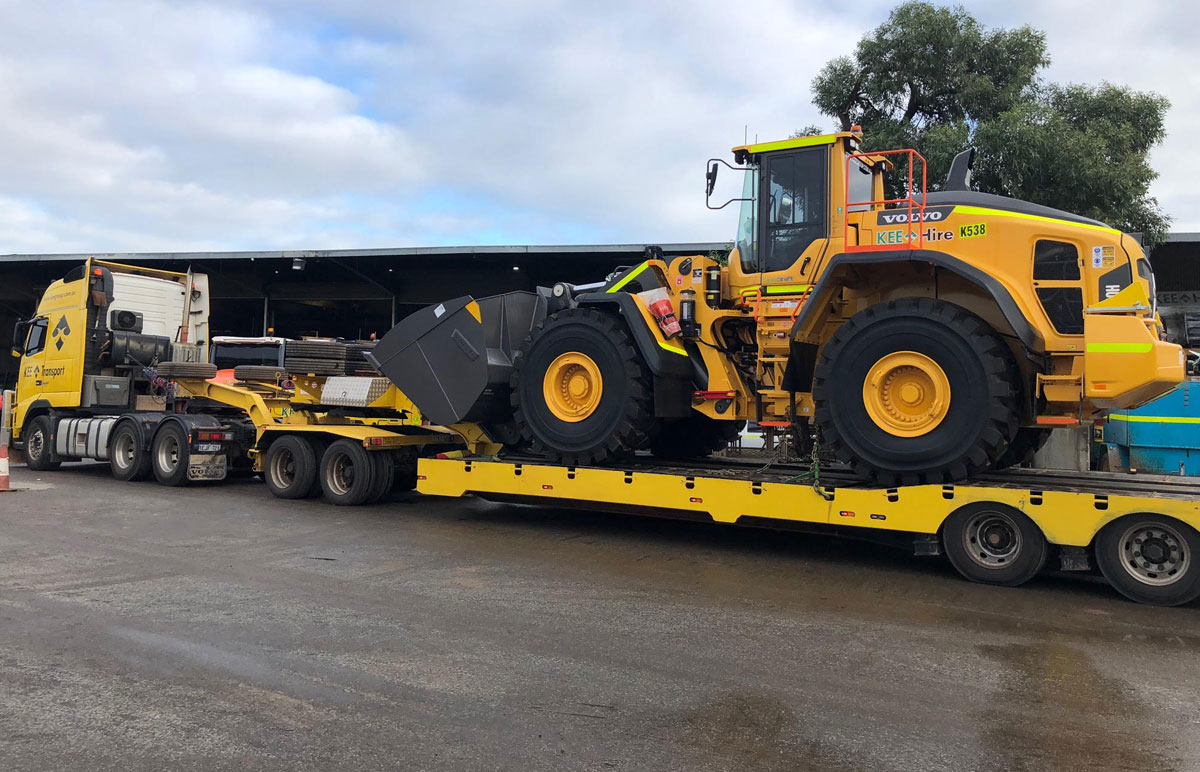
Hiring machinery for civil works projects offers a smart way to boost efficiency and reduce costs. By choosing to hire instead of purchasing, project managers can access a wide range of modern equipment without the financial burden of owning and maintaining them. This approach is especially valuable when dealing with large infrastructure projects requiring diverse machinery, such as dump trucks, excavators, and graders.

Understanding Machinery Hire And Its Impact On Civil Works

Machinery hire is transforming the civil works sector by making advanced equipment more accessible to project managers. Instead of committing large capital investments to purchase machinery, businesses can strategically hire equipment as needed. This approach enables companies to respond effectively to various project demands without tying up resources in equipment ownership.

Civil works often involve different tasks requiring a range of machinery, such as excavators for digging, dump trucks for transporting materials, and rollers for compacting surfaces. Machinery hire offers access to this variety of equipment and ensures each piece is suited to the specific job at hand. This adaptability is crucial for meeting project timelines and deliverables.

Hiring machinery also comes with the benefit of accessing new and well-maintained equipment. This reduces downtime and improves safety on site, as hired machines often come with the latest safety features. Maintenance and repairs are typically handled by the hire company, minimising disruptions and keeping the focus on project completion.

Understanding the components of machinery hire, including terms like dry hire or wet hire, can further enhance project outcomes. Dry hire provides equipment without an operator, suitable for companies with skilled staff. Wet hire includes both the machinery and a qualified operator, offering a seamless solution for those requiring expertise.

Advantages Of Hiring Heavy Equipment For Infrastructure Projects

Hiring heavy equipment for infrastructure projects brings several advantages that can optimise both time and budget. Here are key benefits to consider:

  1. Cost Efficiency: Owning heavy machinery involves high upfront costs and ongoing expenses such as maintenance, storage, and depreciation. Hire services eliminate these liabilities, allowing businesses to invest capital elsewhere.
  2. Access to Latest Technology: Machinery hire ensures you have access to the most current equipment, which can significantly affect the quality and speed of work. This access facilitates the use of improved designs and technology enhancements regularly released in the market.
  3. Flexibility and Scalability: Project needs can change rapidly, and hiring offers the flexibility to scale up or down based on requirements. For instance, you can hire additional tippers or graders for a high-intensity phase of your project and return them when they are no longer needed.
  4. Operational Efficiency: With hired machinery, you gain well-maintained equipment ready to perform at peak capacity. This translates to fewer breakdowns and delays, leading to improved project timelines.
  5. Professional Support: Many hire services provide expert support, from machinery setup and maintenance to operator training, ensuring equipment is used correctly and safely.

Essential Machinery for Efficient Civil Construction

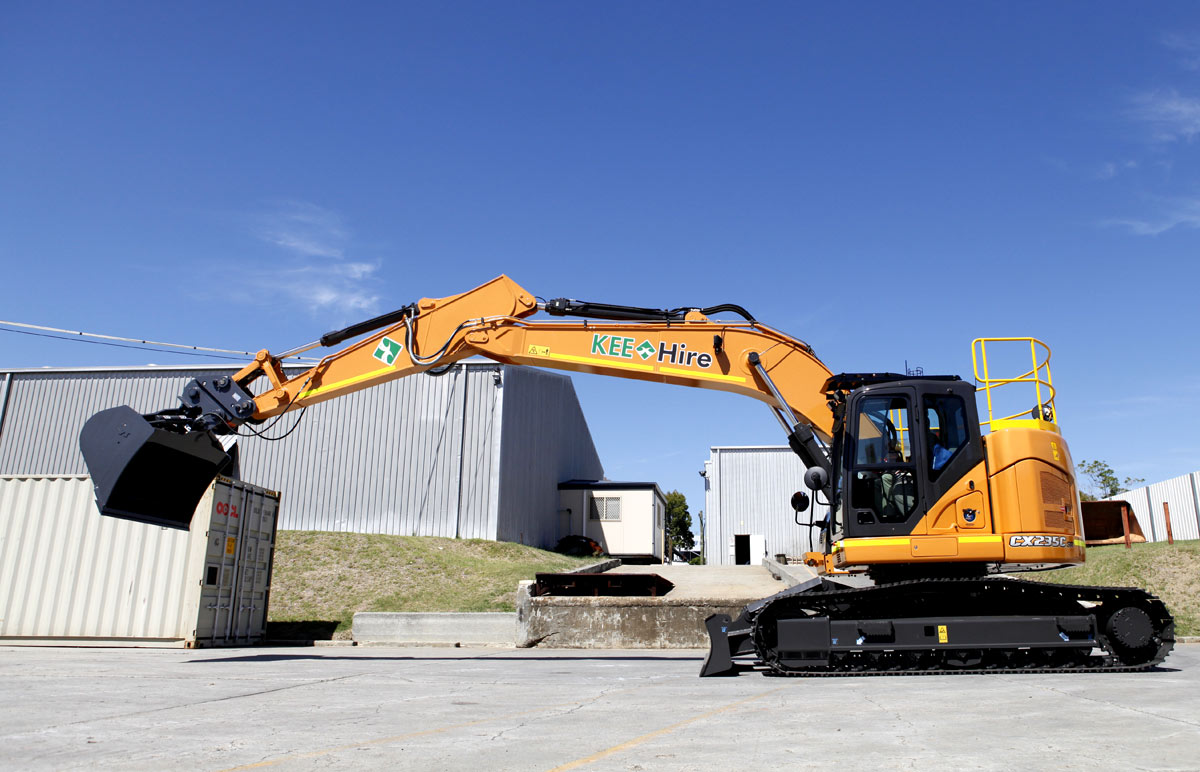
Civil construction projects require a variety of heavy machinery to complete tasks efficiently. Excavators are key players, ideal for digging, lifting, and moving large amounts of earth. Their versatility allows them to handle everything from trench digging to demolition, making them a staple on any site.

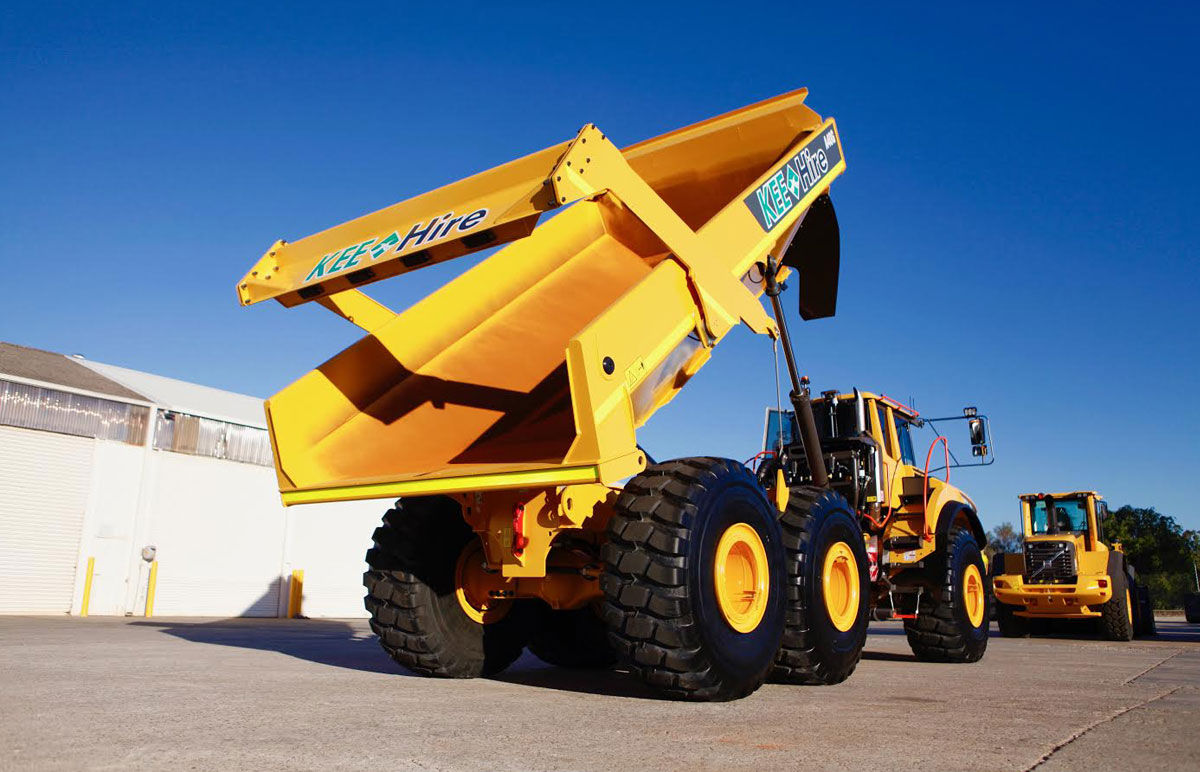
Dump trucks are crucial for transporting materials across sites quickly. They enable the movement of large quantities of soil, gravel, and waste, ensuring sites remain organised and clear. Their robust build and high-capacity loads make them indispensable.

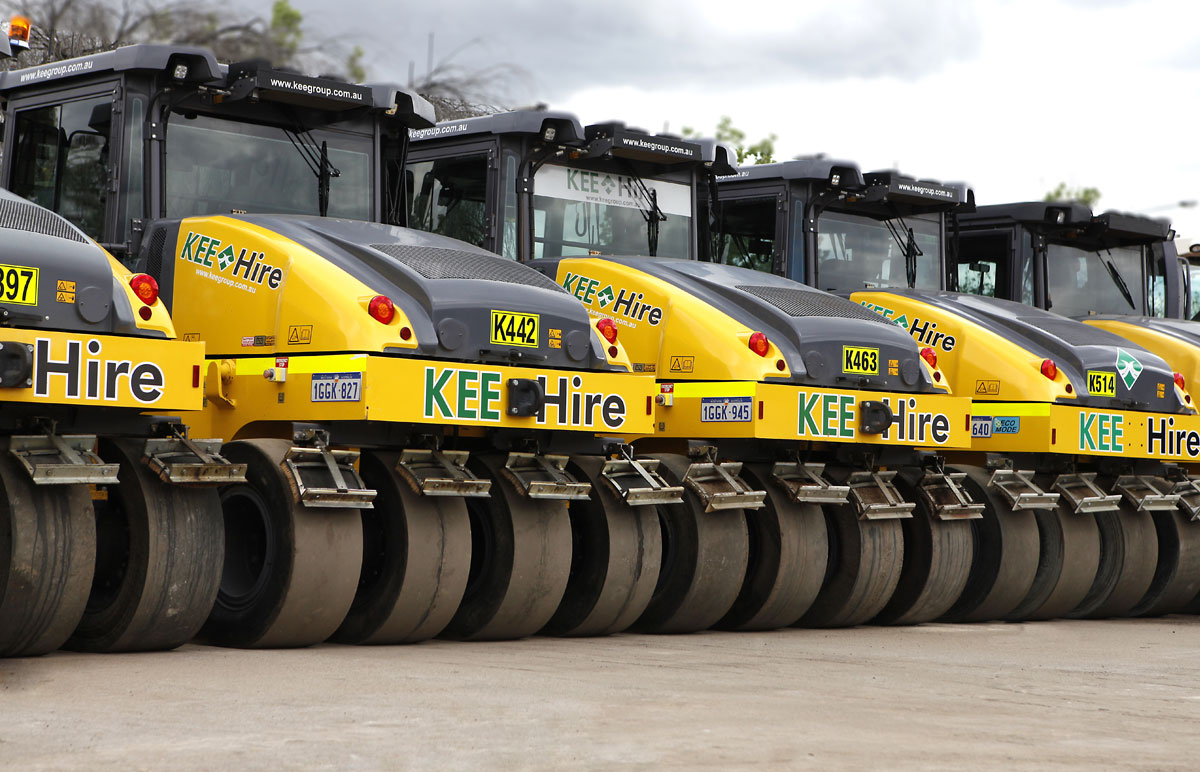
Graders play an essential role in creating smooth, flat surfaces, perfect for road projects or site preparation. They ensure precision and quality, essential for laying a solid foundation. Rollers are also vital as they compact soil and other materials, providing stability and strength to surfaces.

Water trucks are another essential element, particularly in dry areas where dust suppression is needed. They enhance safety by maintaining air quality and offer a practical way to manage dust on large civil sites.

Choosing the Best Machinery Hire Options for Your Project

Selecting the right machinery hire option involves assessing several factors to ensure that project requirements are met efficiently. Start by identifying the specific needs of your project, considering the type of work involved and the terrain of the site. This clarification will help determine the machinery types you require, such as dump trucks, graders, or excavators.

Consider machinery hire options like wet hire, which includes an operator, or dry hire, where you supply your own skilled workforce. Wet hire provides the advantage of expertise, as the operator is familiar with the machine, potentially leading to increased productivity and safety. Dry hire might be more cost-effective if your team has the necessary skills.

Evaluate the provider’s reputation for reliability and the condition of their equipment. Well-maintained machines reduce downtime and unexpected costs. Ensure the provider offers support services, such as maintenance and repairs, to keep operations running smoothly.

Reviewing the terms of hire agreements, including pricing, duration, and flexibility, is crucial. Understanding these aspects helps in budgeting accurately and planning project timelines effectively, ensuring the machinery aligns well with your project’s scope and schedule.

Conclusion

Machinery hire plays a critical role in the successful execution of civil construction projects. By choosing the right equipment and hire options, projects can be completed more efficiently and cost-effectively. Consideration of factors like the specific machinery needed, the hire type, and the support offered by providers ensures that work flows smoothly and within budget.

Explore how KEE Group can support your civil construction needs with our extensive machinery hire services. Our expertise and wide range of equipment, including dump trucks, excavators, and more, are geared towards delivering successful project outcomes. Get in touch today to find out how we can help your project succeed!

Plant Hire: Boost Your Construction or Mining Project Success

project equipment

When tackling large construction and mining projects, having the right equipment is crucial. Plant hire emerges as a practical solution, offering access to various machinery needed to execute tasks efficiently. From dump trucks and excavators to graders and water trucks, plant hire gives you the flexibility to choose the right equipment without purchasing it outright.

Choosing plant hire allows businesses to keep budgets in check while ensuring they have the latest technology at their disposal. This approach maximises efficiency and helps avoid the depreciation costs associated with owning heavy machinery. Whether you need a wheel loader for a short-term task or a roller for ongoing work, plant hire provides the flexibility to adapt to changing project needs.

With plant hire, project managers can concentrate on getting the job done without the added stress of machinery maintenance and storage. This not only simplifies project management but also allows teams to focus on meeting deadlines with the best tools for the job. Understanding how plant hire can fit into your strategy is key to achieving your project goals efficiently.

Benefits of Plant Hire for Construction and Mining Projects

Plant hire provides several benefits for construction and mining projects by offering flexibility and cost-efficiency. One major advantage is access to the latest equipment without heavy upfront investments. Projects vary in size and scope, and plant hire allows for the scaling of resources according to current needs, which keeps budgets manageable.

Using plant hire also reduces maintenance and repair burdens. Hire agreements typically include maintenance services, ensuring that equipment is in top working condition and reducing downtime caused by machinery breakdowns. With hired plant, you won’t have to worry about unexpected repair costs affecting your budget.

Another benefit is the diverse range of equipment available. From dump trucks and excavators to water trucks and rollers, plant hire services provide a variety of machinery options. This variety makes it easier to choose the exact equipment suited to the specific demands of each phase in a project, enhancing efficiency and productivity.

Finally, plant hire simplifies logistical challenges. Transport and storage of heavy equipment can be costly and time-consuming. When you hire plant, the provider handles these logistics, allowing your team to focus on core tasks. This logistical support streamlines operations and helps ensure that projects stay on schedule.

Key Equipment Available in Plant Hire Services

Plant hire services offer a wide array of equipment that can be tailored to meet the demands of any construction or mining project. One essential piece of machinery is the excavator, ideal for tasks like digging trenches, breaking ground, or lifting heavy objects. Excavators come in various sizes, ensuring you have the right machine for each job.

Dump trucks are another critical option for moving bulk materials quickly and efficiently around a site. These trucks are perfect for hauling soil, gravel, or debris, enabling smoother operations and clear work areas. Water trucks are also valuable for controlling dust and managing fire hazards, which is essential for safety and environmental compliance.

Other significant machinery includes graders and rollers for site preparation and finishing tasks. Graders are perfect for creating smooth, flat surfaces, while rollers compact surfaces to ensure stability. These machines are crucial for road construction or when preparing large areas for subsequent building work.

Plant hire services also offer specialised equipment like wheel loaders, tipper trucks, and mining equipment. Each piece of machinery adds to the efficiency and capability of your project. Having access to such a vast selection of equipment means you can easily adapt to changing project needs, maintaining momentum and productivity throughout.

Factors to Consider When Selecting a Plant Hire Provider

Choosing the right plant hire provider impacts the success of your construction or mining project. First, evaluate the provider’s equipment range. A diverse inventory ensures access to machinery like dump trucks, excavators, and rollers, offering solutions tailored to specific project needs. A wide selection allows for quick adaptation to changing requirements.

Consider the provider’s reputation and track record. Look for customer reviews or testimonials to gauge reliability and customer satisfaction. A provider with a solid history in heavy equipment and machinery hire likely offers dependable service, which can be crucial when timelines are tight.

Service flexibility is another key aspect. Does the provider offer both wet and dry hire options? Wet hire includes experienced operators, which can be a boon if your team lacks specific skill sets. Dry hire can be more cost-effective if you have the necessary expertise in-house.

Check for comprehensive support services, like onsite maintenance and repairs. This support minimises downtime and keeps projects on track. Evaluate pricing structures, ensuring they align with your budget while offering value for money. Transparent pricing prevents unexpected costs, facilitating smoother financial planning.

Optimising Project Budgets with Plant Hire Solutions

Plant hire offers several ways to optimise project budgets, making it a smart choice for managing costs effectively. One significant advantage is the elimination of hefty initial investments. By hiring equipment, businesses avoid the high costs of purchasing machinery, freeing up capital for other project needs.

Maintenance and repair costs are another area where plant hire delivers savings. Since providers typically handle these expenses, it reduces unforeseen financial strain. Your project benefits from having well-maintained machinery without the additional worry of repair budgets spiralling out of control.

Budget optimisation also stems from the flexibility of equipment choices. Hiring allows for precise matching of machinery to project phases. Whether it’s a grader for groundwork or a tipper for material transport, you only pay for equipment while you need it. This efficiency minimises idle machinery and associated costs.

Additionally, plant hire provides opportunities to negotiate contracts based on project duration and frequency of hire. Long-term or repeat hires might lead to more favourable pricing, further lowering total costs. Staying informed and working closely with a provider can unlock these financial advantages, ensuring projects meet budgetary goals.

Conclusion

Plant hire plays a pivotal role in construction and mining projects by offering flexibility, cost savings, and access to cutting-edge machinery. It empowers businesses to tackle projects efficiently without the financial burden of owning equipment outright. From selecting the right provider to understanding the benefits of a tailored equipment hire solution, plant hire is a strategic choice that benefits projects of all sizes. Carefully evaluating providers ensures that project needs align with available resources, optimising performance and budgetary outcomes.

Explore how KEE Group’s plant hire solutions can elevate your next project. With our extensive range of machinery hire, including water trucks, wheel loaders, and more, we support your projects every step of the way. Reach out to us today to find the right equipment for your success.

3 Useful Tips for Hiring Heavy Equipment for Your Plant

plant hire perth

For manufacturing companies, large warehouses and construction companies, heavy plant equipment is an essential asset to get jobs done. If a company needs to move dirt, they could rent an excavator or buy their own. The same goes for transporting materials, whether it’s over land to another location or shipping goods to customers. This is where a plant hire service becomes an ideal option.

The Benefits of a Plant Hire Service

You may be wondering why a construction company would need to rent heavy machinery when they can always buy it? Well, there are a few benefits to plant hire.

Save Money

Saving money is one of the main reasons. Rental prices for heavy equipment can be much lower than buying it, especially if the company’s only going to use it for a short period.

Purchasing heavy machinery also takes money upfront. And if the machinery has to be shipped to the location, the shipping fees can be astronomical. If a company only needs the machinery for a short period and isn’t going to use it after that, it’s a better option to rent instead.

The company will also save money in the long run because they will only pay to rent the machinery they need.

Save Time

Another advantage to renting over purchasing is that the former takes less time. Finding a machine to do a job for a few months or a couple of years then setting it up is less time-consuming than the process of purchasing machinery.

Choosing Heavy Equipment for Hire

Here, we’ll share some tips for hiring heavy equipment.

1. Know What Is Needed for the Job

Companies need to rent equipment that fits the job. For example, an excavator may do the job, but it’s not ideal for every situation. The wrong equipment can lead to frustrations, problems and waste time.

Lighter machinery is better for jobs like digging and moving dirt, while heavier machinery is better for moving large gravel piles.

2. Make Sure You Hire Equipment That’s Easy to Use

It’s also helpful to hire equipment that’s easy to use. If it takes a while to figure out how to operate the equipment, you’re wasting valuable time that could have been spent on getting started with the project. So, in order to maximise the hire period, rent equipment that is easy to operate, or choose to also hire an operator (wet hire).

3. Ensure the Equipment is Insured

This is a very important part to consider, as renting heavy plant machinery can be dangerous if not operated properly and you will need to know what the operator is covered for.

A Plant Hire Service Can Save Time, Money and Effort

At the end of the day, a plant hire service can help companies save money, time and effort. Rental prices are lower than the price of purchasing, and they can be more affordable than having to maintain purchased machinery that hasn’t been used for a long time. They can also be convenient when a company only needs the machinery for a short period. If a company decides to purchase heavy machinery, they could have to wait a long time for the equipment to be delivered and also find a space to house it.

If you need a reputable plant hire in Perth, Albany or Port Headland, trust KEE Group. We are Australia’s most effective and unique civil and mining support service. Contact us!

IMAGE © Katharyn Quinn 2021

Line Marking on Surfaces, Explained

machinery hire perth

Drawn on to the surface of the earth, there are many different kinds of road lines that all signal different meanings. There are red lines, yellow lines, green lines, blue lines and white lines. Some white lines save lives, like the thick white ones that separate lanes of traffic going in opposite directions. These are called ‘traffic lines.’ They keep people safe because they prevent vehicles from colliding with each other. White traffic lines are always two feet away from the pavement corner.

LINE/MARKING: Broken

WHY IT MATTERS: Road sections are divided by this line so that motorists generally stay where they are. However, it is not like the continuous line.

CROSS IF:

The motorist has given way to other vehicles in the lane they are moving to. It has to be safe and proper indication should have been given.

LINE/MARKING: Continuous

WHY IT MATTERS: It’s a solid line with the message: do not cross. Stay right where you are. A very slow car that has to be overtaken does not constitute a legal, valid reason for the line to be crossed. Missing a turn doesn’t count either.

That said, certain exceptions apply.

CROSS IF:

  • Entering a road.
  • Entering a service road.
  • Entering an emergency stopping lane.
  • Leaving a road.
  • Maneouvering around a cyclist.
  • Parking in angle parking on the opposite roadside (no U-turn).
  • The line is parallel to a broken line closest to the driver.
  • The road is obstructed by a fallen tree or stalled vehicle.

LINE/MARKING: Painted island

WHY IT MATTERS: This is not paradise, the beach or some treasure-hunt-adventure venue. These are hatch markings that are incredibly distinct. The point is for opposing lanes of traffic to have enough buffering space in between them. In some cases, there are broken or continuous lines, if not double continuous lines.

These all make the difference as to whether or not driving on the painted island will be allowed.

CROSS IF:

  • Entering a road and the painted island is surrounded by single continuous or broken lines.
  • Entering a turning lane that starts right after the painted island.
  • Leaving a road and the painted island is surrounded by single continuous or broken lines.
  • Parking in angle parking on the opposite roadside (no U-turn).

LINE/MARKING: Yellow edge

WHY IT MATTERS: Nobody is allowed to stop here unless there’s an urgent circumstance, broken or unbroken.

STOP IF:

  • Police are pulling over the vehicle.
  • There is a medical emergency.
  • The vehicle has broken down.

Conclusion

Line markings on surfaces vary considerably in terms of use. When it comes to the road, knowing what they mean is crucial to avoiding accidents and staying safe. Take note of broken white lines, continuous white lines and the yellow edge.

Need assistance with machinery hire in Perth? Reach out to KEE Group! We’re the most effective and unique mining and civil support service.

IMAGE © Katharyn Quinn 2021

Key Trends in Construction to Anticipate in 2022

hire equipment

As the construction industry continues to be a vital sector for the global economy, this is a critical time for the industry to refine its long-term strategies to mitigate risks and provide a platform for future success. With the evolution of technology, the industry must continue to account for political shifts and emerging markets while staying ahead of the curve.

Due to the COVID-19 pandemic, Australia’s construction industry has been significantly affected. The housing market is slowing down, and the commercial sector is at a standstill. Construction firms are finding it hard to secure new contracts as clients are holding out on signing new contracts until COVID-19 has subsided. Luckily, hope isn’t entirely lost because specific trends are rising to ensure that the construction industry can stay afloat during the pandemic.

What exactly are these trends? This article lists them down, so read on below to get started.

#1 – Protective Equipment

Protective equipment for the construction industry is vital for the safety of the workers, and it is something that is getting a lot of attention. Construction companies are now keeping protective masks on hand in case of an outbreak. These masks are used when construction workers work with potentially contaminated materials, such as concrete and wood.

For instance, if workers accidentally inhale contaminated concrete dust, they will mask up to protect themselves from infection. In addition, construction firms are also keeping protective clothing on hand, which can protect workers from contamination during COVID-19. In the event workers are exposed to the virus, protective clothing can prevent the virus from spreading to others.

#2 – Remote Worksites

Remote worksites are becoming increasingly popular in the construction industry. Worksites are expected to become quarantined in an outbreak to protect workers from exposure. Remote worksites, however, allow construction workers to continue their work without leaving the worksite.

This has proven to be a better option than other work options, such as worksite selection because it allows employees to continue working without worrying about leaving their worksite. This will ensure that the construction projects they are working on stay on schedule and can complete their long-term goals.

#3 – The Need for More Labourers

With an increased demand for the construction industry, labourers are becoming more in-demand because more jobs are becoming available. These jobs include general construction projects and post-COVID-19 cleanup projects.

Construction companies are slowly transitioning from hardware and machinery to labour. The transition will ensure that construction companies can maintain their projects even if the pandemic continues.

#4 – Technology

Technology is also something that is being heavily invested in by the construction industry to ensure its success. Technology can be used to keep workers safe and protected from the virus. While not all construction projects rely on tech, construction companies are now slowly transitioning from hardware and machinery to technology. Their ability to keep workers safe will ensure that the industry can continue to progress during COVID-19.

In addition, technology is also being used to create new, efficient ways to construct buildings. This is beneficial to construction companies because it will ensure that their facilities can still be built or repaired even if the pandemic is still going on.

#5 – Construction Drones

Construction drones have proven to be a precious asset for construction companies. These unmanned aerial vehicles have allowed construction firms to get an aerial view of the worksite and determine what materials need to be used. Moreover, the use of construction drones has also proven to be ideal for post-COVID-19 cleanup. Drones can be used to ensure that construction firms can clean up a worksite after construction has been completed.

#6 – Green Buildings

Green buildings are buildings that do no damage to the environment, and they also do not use up or poison the environment. Green buildings can be created by using eco-friendly materials and using the least resources. Green buildings are a growing trend in the construction industry.

Green buildings allow construction firms to be environmentally responsible and help reduce the costs of construction companies. Fewer resources are needed, which means construction firms can build the building quicker and cheaper.

Conclusion

With the construction industry being one of the biggest sectors in the global economy, construction companies must be working together to ensure its success. The industry is continuously evolving, and construction companies are working together to ensure that the industry can maintain its level of success.

Do you need to hire equipment for your next construction project? Look no further than KEE Group! We offer various heavy-duty construction equipment that you can use at your disposal, such as excavators, dump trucks, and rollers—all for a competitive price. Contact us today to learn more!

Why Soil Compaction is Crucial in Construction

compaction hire

The density of the soil is crucial for construction sites. Almost anything that has to do with construction will be affected by how dense the soil is. It will give you the foundation for your construction. On the other hand, incorrect compaction of soil can lead to trouble during construction.

What Is Soil Compaction?

Soil compaction is a process in which pressure is applied to the soil, and in turn, it becomes denser. The pressure can be applied by tools such as a plate compactor or a roller. There are many different methods of soil compaction and they all carry different levels of effectiveness.

An important step in making a stable construction site with a good foundation is making sure that the soil has been compacted correctly. It’s a complicated process that takes into account many factors.

Soil Compaction in Residential Construction

For residential sites, soil compaction should be done in a way that will have a strong foundation to support the weight of the house. The soil should be compacted down so that the house will be stable when the foundation is laid on it. When soil is too loose, the house can move when it is built and you’d end up with a house with a shaky foundation.

The best type of roller to use in a residential area, would be the oscillating smooth drum roller. Oscillation is a gentle, yet highly effective compaction method, and has today become a standard compaction method in sensitive areas or in the vicinity of buildings and houses. Oscillation uses less force but delivers both vertical and horizontal energy, essentially manipulating the aggregates into place.

Soil Compaction in Commercial Construction

Commercial construction sites have their own standards. They require soil compaction to make building a multi-story structure easier. The higher the building, the more compact the soil needs to be.

Remember that the weight of the building is going to be distributed to the ground, so when you compact the soil, it should be enough to support its weight. Smooth drum rollers (vibratory), pad-foot rollers, double-drum rollers, pneumatic rollers or multi-tyre rollers can all be used in commercial construction.

Soil Compaction in Industrial Construction

Industrial construction sites can also have their own set of requirements when it comes to soil compaction. Depending on the type of building being constructed, soil compaction should be done to support the structure. This is especially true if a lot of equipment will be placed on the location; it should have enough support from the soil.

How Does Soil Compaction Work?

Soil compaction, or density, is measured by how much sand, silt and clay is present in a cubic foot of soil. Density is also measured by the percentage of each component present in the soil.

First, a contractor needs to perform a soil test and check the components of the soil. They check the percentage of sand, silt and clay present in the soil. This will determine how much the soil has to be compacted. A heavy tractor is then used to compact the soil until it is of the proper density.

If you need to compact the soil for residential construction, you should achieve the proper density for your foundation. However, if your soil is not durable, you can use additives to make the soil less porous and less susceptible to water. Using additives can make the soil denser and solid enough to support the weight of a house.

Conclusion

Soil that is compacted consistently over time becomes a denser soil that can act as a better support system for roads, site foundations and more. Those involved in construction need to remember that proper compaction is crucial to preventing future complications.

Do you need a compaction hire in Perth, Albany and Port Headland? Contact our team at KEE Group. We are the most effective civil and mining support service in Australia.

Enquire today

Get a Quote today!

Please fill in your details and a KEE Hire team member will reach out to you very soon.

Alternatively, you can contact us via the details below:

contactus@keegroup.com.au

+61 8 6401 8500

"*" indicates required fields

DD slash MM slash YYYY

Our people are our greatest asset

KEE Group are growing fast and we are often looking for the right people to help us make it happen. If you would like to join our team and share in the excitement, get in touch today!

Join The Team