Common Machinery Hire Mistakes on WA Mine Sites

hire equipment

Costly Hire Mistakes That Hit WA Mine Site Margins

Getting machinery hire right on WA mine sites is not just a paperwork task; it can make or break your margins. Every delay, every breakdown and every mismatch between plant and task chips away at production and puts pressure on already tight contracts. When input costs keep climbing, small hire mistakes quickly turn into big problems.

For mining and civil operators across Perth and regional WA, smart machinery hire planning supports safe operations, solid production schedules and cleaner handovers. In this article, we walk through common, preventable mistakes we see on WA mine sites, and how working with an integrated provider can keep your projects moving instead of stalling on the hardstand.

Under-Specifying Plant for Harsh WA Site Conditions

Chasing the cheapest day rate looks good in a spreadsheet, but it can hurt you out on site. When the focus is only on headline price, it is easy to end up with machines that are under-powered or simply not suited to WA heat, dust and long haul routes.

That can lead to:

  • Higher fuel burn as machines work at their limit
  • More breakdowns and repair visits
  • Extra operator fatigue from fighting the machine all shift
  • Missed production targets that affect the whole schedule

Another common mistake is ignoring task-specific and site-specific seasonal requirements. WA does not have harsh winters, but it still has wet periods, dry stretches and changing ground conditions over the year. If machine type, capacity and attachments do not line up with ore type, ground moisture and campaign timing, productivity drops fast.

Examples we often see include:

  • Choosing compaction gear that is fine in dry months but bogs down once the ground holds more moisture
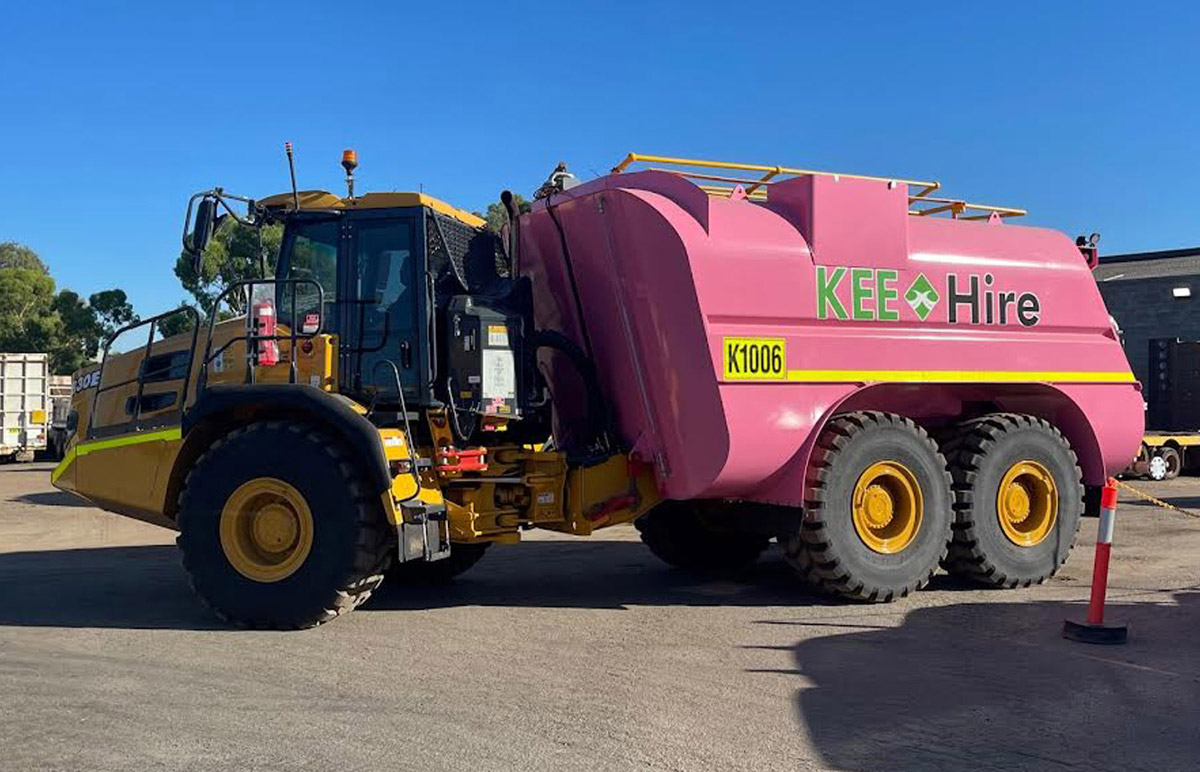
  • Underestimating water cart capacity for summer dust control on long haul roads
  • Bringing in general-purpose gear instead of task-focused units for particular materials

A simple way to avoid this is to bring operators and supervisors into the spec process. When procurement works in isolation, the realities at the face or on the haul road can be missed.

Good pre-hire habits include:

  • Walk-throughs of current and upcoming work areas
  • Joint scoping sessions with site supervisors
  • Early talks with experienced hire partners who know WA conditions

Overlooking Lifecycle Costs and Fleet Integration

Treating machinery hire as a stand-alone decision is another trap. When plant, road surfacing, fuel and transport are all sourced from different providers with no coordination, the admin load jumps and the chance of schedule clashes grows.

Fragmented procurement can create:

  • Confusing communication lines
  • Gaps in responsibility when things go wrong
  • Handover issues between crews and service teams

It also hides the real cost of the machines. Looking only at day rates ignores:

  • Maintenance standards and how often machines are serviced
  • Fuel efficiency and how hard units need to work to hit targets
  • Downtime risk and how quickly support can get to site

Unplanned breakdowns do not just hurt the machine budget, they shut down crews, slow haulage and knock back production. Proactive maintenance and planned on-site service windows help keep machines turning and operators busy instead of waiting around.

This is where integrated service models start to pay off. When machinery hire is combined with road surfacing, transport and on-site fuel, mobilisation and demobilisation become smoother. A coordinated provider can:

  • Line up transport with site readiness and crew rosters
  • Reduce idle time between different stages of work
  • Help balance fleet usage across plant, surfacing and support units
  • Give clearer reporting for project managers and procurement teams

Inadequate Planning for Mobilisation, Access and Compliance

Another common mistake on WA mine sites is underestimating how long it takes to get gear to site and ready for work. Booking machines late, especially around major shutdowns or peak construction periods, often leads to compromises that hurt later.

Heavy haul logistics in WA has its own set of challenges:

  • Long distances into regional and remote projects
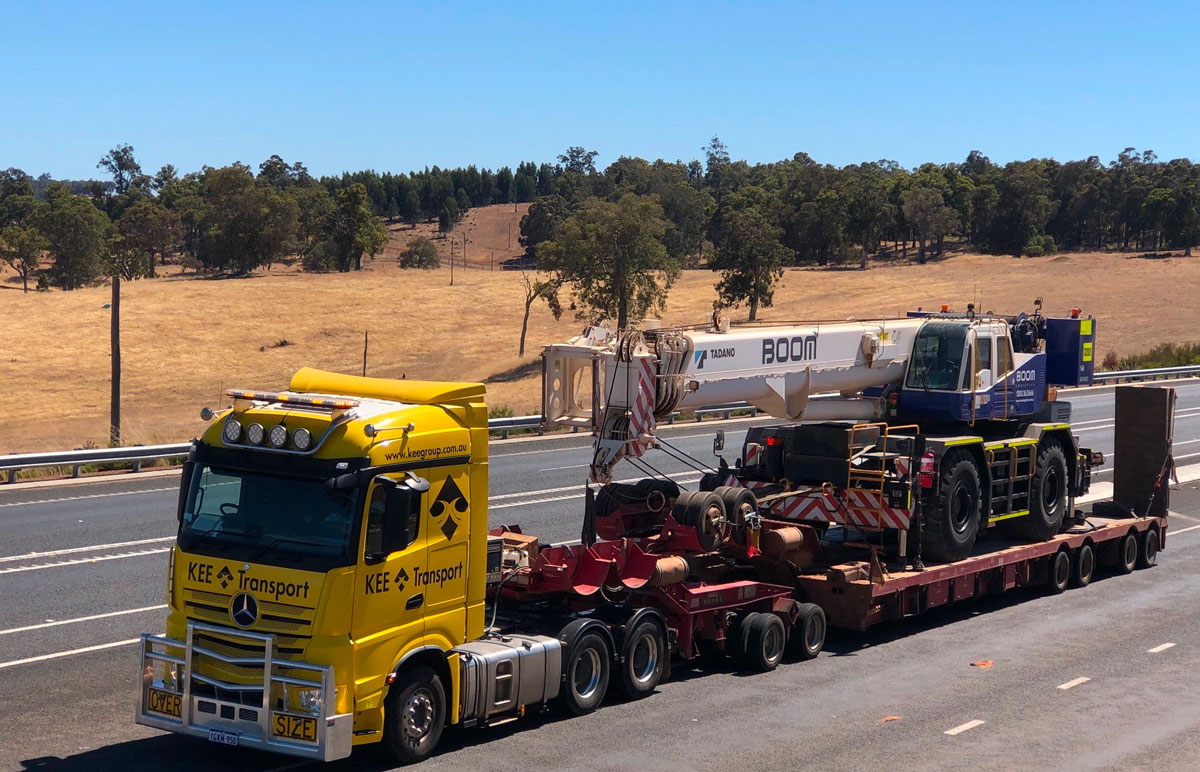
  • Permit requirements and route checks for oversize loads
  • Limited windows for certain road movements

At the same time, site access is not always ready when the machines roll in. If laydown areas, access roads or hardstands are incomplete, the plant sits parked. Every day like that hits the budget.

Good planning should cover:

  • Hardstand preparation and compaction
  • Clear access for low loaders and support vehicles
  • Power, lighting and safe parking spots for overnight stays

Compliance and documentation often get rushed as well. Missing or incomplete paperwork can stop machines at the gate, including:

  • Mine-specific inductions
  • Safety documentation and risk assessments
  • Service histories and maintenance records
  • Evidence of alignment with site standards and OEM specs

Building these items into a pre-hire checklist helps you avoid last-minute scrambles that throw out your mobilisation plan.

Assuming Any Operator Can Run Hired Machinery Safely

Not all operators are comfortable or competent on every model or control setup. Treating all gear as the same increases risk and wear. When someone with limited experience is put on a specialised unit, it can lead to:

  • Higher incident and near miss rates
  • Harder impacts on components, from tyres to hydraulic systems
  • Slower cycles that drag down production

Rushed handovers make this worse. A quick set of keys and a brief wave at the controls is not enough for safe, steady operation.

Stronger handover practices include:

  • Structured walk-arounds with the operator
  • Clear explanations of controls, limits and safety systems
  • OEM-aligned induction material that operators can refer back to

Fatigue and roster patterns also matter. On remote mine sites, long shifts and travel times can stretch concentration. When hire periods ignore crew availability, maintenance windows and fatigue plans, everyone feels the pressure.

Better planning looks at:

  • Machine rotation to share heavy loads across the fleet
  • Maintenance blocks that line up with roster breaks
  • Enough overlap for proper handovers between shifts and crews

Failing to Align Hire Strategy with Project Stages

Machinery hire should change as the project changes. Treating it like a one-off decision at the start of the job leads to either not enough plant during peak periods or too much plant sitting idle in quieter phases.

Common issues include:

  • Locking in a fixed fleet that does not match later production levels
  • Paying for standby gear that rarely turns a wheel
  • Scrambling for extra units when volumes jump or work fronts multiply

A better approach is to plan hire in stages that match:

  • Exploration and early works
  • Construction and set-up
  • Peak production periods
  • Backfilling and closure activities

Data and site feedback can guide this. By looking at telematics, production numbers and maintenance history, you can see what is working and what is not. That makes it easier to:

  • Upsize or downsize specific machine classes
  • Swap out units that do not suit changing haul distances or ground conditions
  • Adjust attachments to better suit current materials

Seasonal and market shifts also need backup plans. Wet periods can affect access, and hotter stretches push cooling systems and operators harder. Market moves might trigger quick ramp-ups.

Having reliable machinery hire in Perth, supported by regional WA capability, gives you options for:

  • Short-term surge capacity
  • Backup units for key roles such as water carts or graders
  • Faster replacement if a machine needs extended workshop time

Turning Machinery Hire Into a Competitive Advantage

When we look at the common mistakes across WA mine sites, the same themes show up again and again: under-specifying plant, ignoring lifecycle costs, poor mobilisation planning, under-trained operators and rigid, one-size-fits-all fleet strategies. Every one of these hits safety, productivity and contract performance.

Treating hire providers as partners instead of simple suppliers changes the picture. An integrated approach to machinery hire, road surfacing, transport and on-site fuel can smooth out handovers, reduce delays and give project teams clearer control of their fleets. For us at KEE Group, working with WA mining and resources clients means helping spot these issues early so they do not grow into major headaches later in the project.

Get Started With Your Project Today

If you are ready to get your next job moving with reliable equipment and expert support, we are here to help. Explore our flexible machinery hire in Perth options to match the specific needs, timeframes and budget of your project. At KEE Group, we work closely with you to make sure the right plant and operators are on site when you need them. If you would like tailored advice or a quote, simply contact us and we will respond promptly.

Why Your WA Project Timeline Depends on Smart Machinery Hire

vehicle hire

Why Your WA Project Timeline Depends on Smart Machinery Hire

Getting a project over the line on time in WA is tough. Tight programs, strict shutdown windows, and clients that expect you to hit every milestone make it harder. One breakdown at the wrong moment can throw the whole thing off. That is why your choices around machinery hire in Perth and across the state matter just as much as your design, procurement and resourcing.

We see it on civil and mining jobs all the time. Crews are ready, approvals are locked in, traffic changes are booked, but the plant is late to site or not fit for purpose. When that happens, the schedule wears it. In this article, we will walk through how smart machinery hire decisions keep your program protected, and what to look for in a hire partner if you are working across Perth or regional WA.

Faster Project Delivery Starts with Smarter Hire Choices

Right now, WA has a busy pipeline of civil, mining and infrastructure work. From Perth metro upgrades to regional road, port and rail projects, everyone is pushing to deliver more, with less slack in the program.

On these jobs, machinery availability is not just a logistics task, it is a strategic choice. Project teams that treat plant hire as an afterthought often find:

  • Gear is not available when they actually need it  
  • Mobilisation takes longer than the window they have  
  • Equipment on site does not match the production rates in the program  

For Tier 1, Tier 2 and mid-tier contractors, this can be painful. Liquidated damages, shutdown windows and tight access bookings mean there is very little room for error. Smart machinery hire in Perth needs to line up with:

  • Your planned production rates  
  • Your key access and shutdown dates  
  • Your surfacing, tie-in and commissioning milestones  

When hire decisions are made early and linked to the program, the whole job runs smoother.

How Equipment Downtime Blows Out WA Project Schedules

Unplanned downtime is more than a mechanical issue, it is a program issue. When a key machine stops, the cost is felt across the whole site.

Think about what happens when a major item of plant goes down on a civil or mining project:

  • Crews stand around waiting or get shifted to less productive work  
  • Subcontractors who are booked for that window sit idle  
  • Night shift opportunities and traffic switch bookings are missed  
  • Rail, port or plant access windows get wasted  

In regional WA, the problem grows. If your hire partner is based far from site or running a thin fleet, replacement times can drag out. A breakdown that should be a few hours can roll into days while you wait for a suitable unit or parts to arrive.

The flow-on effects are real:

  • Program re-sequencing, often at short notice  
  • Knock-on delays to stabilising, surfacing or final trim  
  • Pressure on safety as teams rush to pull time back later  

When people start working longer shifts just to recover lost ground, risk goes up. So the original breakdown is not just a cost, it also adds stress to your safety and quality outcomes.

Why Integrated Machinery Hire in Perth Keeps Crews Moving

So what does smart machinery hire in Perth actually look like for civil and mining operators? It is not just about getting a machine on a truck. It comes down to having modern, well-maintained plant that is backed by services that keep it working.

An integrated provider can bring together:

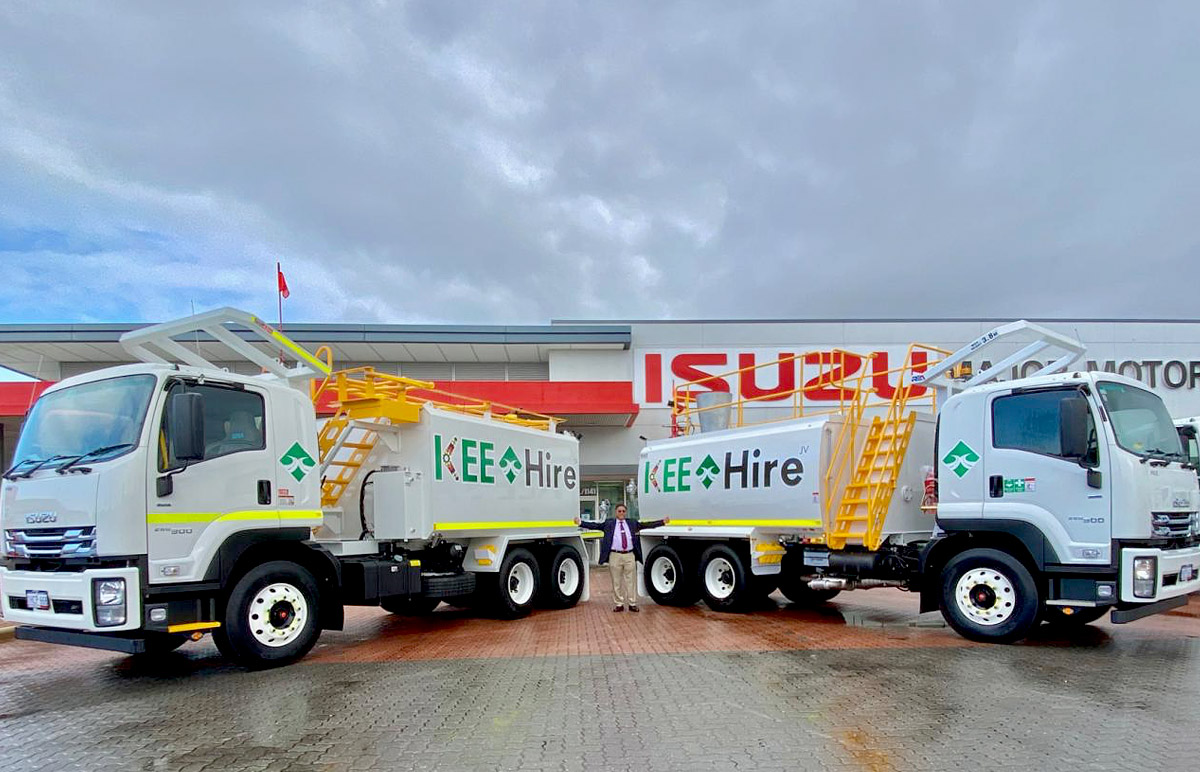
  • Plant hire  
  • Low loader transport  
  • Road surfacing teams  
  • On-site refuelling and support  

At KEE Group, this is how we work. Our teams coordinate plant, transport, surfacing and fuel so your mobilisation, demobilisation and change-outs are planned as one sequence, not four separate tasks.

This approach helps your schedule because:

  • Machinery and low loaders are coordinated to match your access windows  
  • Refuelling and servicing are timed to your shifts, not the other way around  
  • Replacement units or repairs can be organised faster when there is one point of contact  

When the same provider is looking after several of these moving parts, it is easier to reschedule around road closures, public holidays or weather disruptions. Planners and superintendents get better information, so they can lock in shift-based works across metro Perth and key regional centres with more confidence.

Aligning Your Hire Strategy with Seasonal and Shutdown Windows

In WA, the calendar has a big say in when work can actually happen. Summer heat, cyclone activity in the north and wet periods in the south west all shape crew safety and productivity.

On top of that, there are predictable high-demand windows such as:

  • Large asphalt and surfacing programs  
  • Major rail, refinery or plant shutdowns  
  • End-of-financial-year delivery pushes  

When everyone wants the same gear at the same time, machinery hire in Perth can get tight. Leaving hire decisions to the last minute in these periods almost always means compromise.

Planning with a local provider that understands:

  • Seasonal weather patterns across the regions  
  • Common shutdown calendars for heavy industry  
  • Typical peak times for road and infrastructure works  

helps you line up earthworks, stabilising, surfacing and haulage in a way that keeps your critical path protected. Locking in plant early for known seasonal peaks means fewer surprises and less scrambling when the window finally opens.

Risk, Compliance and Safety Factors That Protect Your Timeline

Non-compliant or poorly maintained plant is a risk to people, reputation and schedule. A single safety incident can halt works, trigger investigations and create delays that no project team wants.

Key protections come from working with a civil and mining specialist that focuses on:

  • Regular servicing and preventative maintenance  
  • Safety systems that suit high-risk environments  
  • Operator training aligned with site rules and expectations  

At KEE Group, we put strong focus on maintenance and safety across our operations. On site, simple habits also make a big difference to uptime, like:

  • Thorough pre-start checks  
  • Clear reporting of defects  
  • Fast access to qualified mechanical support  

When issues are picked up early and dealt with quickly, they are less likely to turn into full-shift shutdowns or program-wide delays.

Turn Machinery Hire Into a Competitive Project Advantage

For many project managers, superintendents and procurement teams, machinery hire is still treated as a box to tick. In reality, it can be a quiet advantage if you handle it well.

A good starting point is to review how you currently:

  • Source and coordinate plant from different suppliers  
  • Organise transport, refuelling and surfacing around that plant  
  • Map machinery needs against project milestones and seasonal risks  

From there, consider bringing your hire partner into planning a bit earlier. Sharing staging plans, shutdown dates and critical path items lets them flag gaps, suggest plant options and plan transport and fuel support that match your program.

As a Western Australian civil and mining support provider, we see how joined-up planning, modern plant and integrated services can take pressure off delivery teams. When machinery hire in Perth and regional WA is handled as a strategic piece of the program, you get fewer surprises, steadier production and more predictable outcomes for your clients and stakeholders.

Get Started With Your Project Today

If you are ready to line up reliable plant and equipment for your next job, we can help you lock in the right fleet quickly and safely. Explore our machinery hire in Perth options and tap into the experience of the KEE Group team to match the right gear to your site conditions and schedule. Reach out to us via contact us so we can talk through your requirements and provide a practical, cost-effective solution.

The Complete Guide to Plant Hire in Perth for Mining, Civil & Infrastructure Projects

transporting plant equipment

Perth sits at the centre of Western Australia’s mining, civil construction, and infrastructure economy. From large-scale resource operations to major metropolitan civil works, projects rely heavily on professional plant hire to maintain momentum, manage costs, and meet strict operational timelines.

In this environment, plant hire is not a convenience — it is a critical operational function. The quality of the equipment, the reliability of supply, and the experience of the hire partner all directly impact productivity and risk on site.

What Plant Hire Means for Commercial & Resource Projects

In a commercial and mining context, plant hire refers to the provision of heavy-duty machinery and specialised equipment designed to operate in demanding, high-output environments. Unlike residential or short-term hire, this equipment must be capable of sustained operation, often under harsh conditions, with minimal downtime.

Plant hire typically supports activities such as earthmoving, materials handling, dust suppression, logistics, and ongoing site operations. For many Perth-based businesses, hiring plant allows them to access the right machinery without the capital burden, maintenance risk, or long-term ownership costs.

Why Plant Hire Is Essential for Perth-Based Operations

Businesses across mining, civil construction, and infrastructure choose plant hire for several strategic reasons:

  • Capital efficiency – Hiring equipment avoids significant upfront capital expenditure and frees cash flow for core operations.
  • Operational flexibility – Equipment requirements change throughout a project lifecycle, and plant hire allows businesses to scale up or down as needed.
  • Maintenance and compliance – Professional plant hire providers manage servicing, inspections, and safety compliance, reducing operational risk.
  • Speed and availability – Immediate access to ready-to-work equipment keeps projects moving and prevents costly delays.

For large projects, the cost of downtime far exceeds the cost of hire. This is why reliability and supplier capability matter more than headline pricing.

What to Look for in a Leading Plant Hire Company in Perth

Not all plant hire companies are equipped to service mining and large-scale civil projects. Decision-makers should look for a provider that offers:

  • A diverse and well-maintained fleet suitable for industrial use
  • Proven experience supporting mining, civil, and resource-sector clients
  • Strong logistics and local Perth-based support
  • A track record of reliability under demanding conditions

KEE Group has established itself as a leader in plant hire in Perth by consistently meeting these requirements. With a wide range of machinery available to hire, KEE Group supports projects of varying scale while maintaining a focus on uptime, safety, and performance.

FAQs – Plant Hire in Perth

What types of projects typically require plant hire?
Plant hire is commonly used across mining operations, civil construction projects, infrastructure upgrades, industrial developments, and large commercial works where heavy machinery is required on a temporary or project-specific basis.

Is plant hire more cost-effective than owning equipment?
For many businesses, yes. Hiring eliminates purchase costs, depreciation, long-term storage, and maintenance overheads, while still providing access to modern, compliant equipment.

Can plant hire providers support long-term projects?
Absolutely. Leading providers like KEE Group regularly support long-term and staged projects, supplying equipment across multiple phases as operational needs evolve.

How to Choose the Right Plant Hire Company in Perth for Large-Scale Projects

best plant hire

Selecting a plant hire company is a strategic decision that can influence the success of an entire project. For mining, civil, and infrastructure works, the hire provider becomes an extension of your operational capability.

What Commercial Clients Should Prioritise

When evaluating plant hire companies in Perth, decision-makers should look beyond availability and pricing. Key considerations include:

  • Industry experience in mining and civil environments
  • Fleet capability and suitability for heavy-duty use
  • Responsiveness and local support
  • A proven approach to safety and compliance

Fleet Capability and Scalability

A strong plant hire provider must be able to support projects as they grow and change. This means having:

  • A fleet capable of servicing multiple project stages
  • Equipment maintained to consistent standards
  • The ability to mobilise equipment quickly

KEE Group’s plant hire Perth services are structured to support complex, large-scale operations, giving clients confidence that equipment availability will not become a bottleneck.

Why Perth Businesses Choose KEE Group

KEE Group is widely recognised as a trusted plant hire partner in Perth because of its:

  • Extensive experience across mining, civil, and industrial sectors
  • Wide range of machinery and equipment available for hire
  • Commitment to reliability, safety, and long-term partnerships

Rather than transactional hire, KEE Group works closely with clients to ensure plant hire solutions align with project goals and operational realities.

FAQs – Choosing a Plant Hire Partner

Why is local experience important in plant hire?
Local providers understand Perth’s regulatory environment, logistics challenges, and industry conditions, which leads to smoother project execution.

Can one plant hire provider support multiple projects?
Yes. Established providers like KEE Group routinely support multiple concurrent projects, offering consistent service and fleet availability.

Heavy Machinery & Equipment Hire in Perth: A Practical Guide for Mining & Civil Contractors

compaction hire

Heavy machinery hire underpins almost every major mining and civil construction project in Western Australia. From early site preparation through to ongoing operational support, access to reliable equipment directly affects safety, efficiency, and profitability.

For Perth-based contractors, machinery hire is about more than filling a gap — it is about partnering with a supplier who understands the realities of working in demanding environments.

Understanding Heavy Equipment Hire in Industrial Settings

Heavy equipment hire refers to machinery designed for continuous operation, heavy loads, and challenging terrain. In mining and civil projects, this equipment must perform consistently under pressure, often in remote or high-risk locations.

Unlike general hire, industrial machinery hire requires:

  • Equipment built for sustained output
  • Strict adherence to safety and compliance standards
  • Fast response support if issues arise
  • A supplier that understands project-critical timelines

Commonly Hired Machinery for Perth Projects

While requirements vary by site, heavy machinery hire in Perth often includes equipment used for:

  • Earthmoving and excavation
  • Dust suppression and site safety
  • Materials transport and logistics
  • Infrastructure and site preparation support

KEE Group provides access to a broad range of equipment, enabling clients to source multiple machinery needs through one experienced provider. This simplifies procurement and reduces the risk of coordination issues across suppliers.

Why Reliability Is the Key Factor in Machinery Hire

In high-value projects, equipment downtime can quickly escalate into lost productivity, missed deadlines, and safety risks. For this reason, experienced contractors prioritise reliability over short-term cost savings.

Reliable machinery hire means:

  • Well-maintained equipment
  • Proactive servicing and inspections
  • Rapid support and replacement if required

KEE Group’s heavy machinery hire in Perth is built around these principles, supporting Perth’s mining and civil sectors with equipment that performs when it matters most.

FAQs – Heavy Machinery Hire in Perth

Is machinery hire suitable for remote or long-duration projects?
Yes. Professional hire providers regularly support long-term and remote operations, ensuring equipment reliability and logistical support throughout the project lifecycle.

Can machinery be hired for specific project stages only?
Yes. Many clients hire equipment for defined phases of a project, allowing them to manage costs and adjust machinery requirements as work progresses.

Large Excavator Hire Perth: Commercial, Civil & Resource Sector Applications

Large-Excavator-Hire-Perth

Large Excavator Hire in Perth for High-Output Projects

Large excavators are a core asset for Perth’s civil, construction, and resource sectors. These machines are designed to deliver sustained productivity in demanding environments where downtime is not an option.

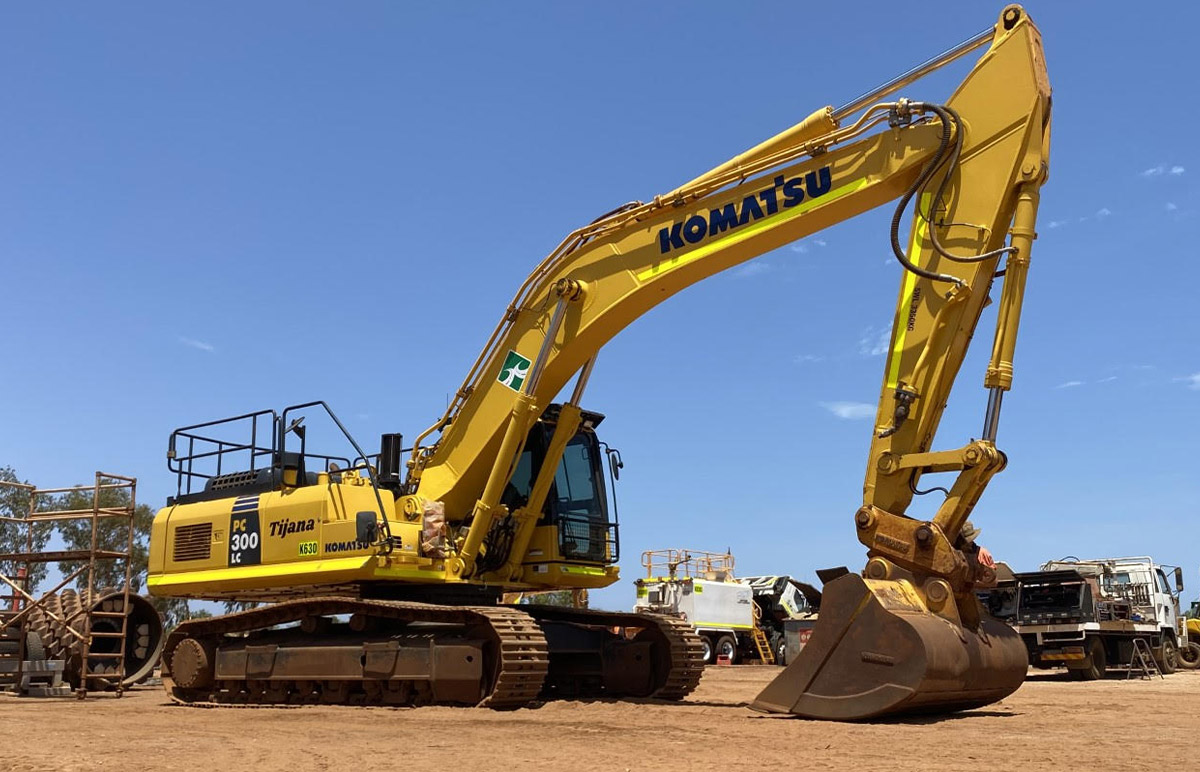
KEE Group supplies large excavator hire in Perth for projects requiring power, reach, and reliability.

Common Uses for Large Excavators in WA Projects

Large excavators are deployed across:

  • Bulk earthworks and site cuts
  • Road, rail, and infrastructure projects
  • Mining and resource operations
  • Commercial and industrial developments
  • Deep trenching and drainage
  • Quarrying and material handling

These machines are built to operate continuously under load — making hire quality and maintenance critical.

Selecting the Right Large Excavator for the Job

Hiring a large excavator should be a technical decision, not a price-only decision.

Key considerations include:

1. Operating Weight & Reach
Machine size must align with excavation depth, swing radius, and load requirements.

2. Site Conditions
Perth’s variable ground conditions require appropriate machine selection to maintain efficiency and avoid excessive wear.

3. Attachment Compatibility
Buckets, breakers, and specialty attachments must suit both the excavator and the task.

4. Reliability & Backup Support
In civil and resource environments, machine failure can halt entire workflows.

The Cost of Downtime in Large Excavator Hire

For commercial and civil clients, downtime can:

  • Delay downstream trades
  • Increase labour costs
  • Impact contractual milestones
  • Create safety and compliance risks

KEE Group mitigates these risks by supplying well-maintained, job-ready excavators supported by responsive service.

Why KEE Group Is Trusted for Large Excavator Hire in Perth

KEE Group works with experienced operators and site managers who understand the realities of high-output projects.

KEE Group advantages:

  • Commercial-grade fleet
  • Maintenance focused on uptime
  • Clear communication and hire terms
  • Experience across WA civil and resource sectors

Explore excavator hire options:

Excavator Hire Perth – KEE Group

FAQs – Large Excavator Hire Perth

What size excavator is suitable for bulk earthworks?
This depends on production targets, haulage methods, and site constraints. KEE Group assists with correct machine selection.

Can large excavators be hired for regional WA projects?
Yes. Availability and logistics can be discussed based on project location.

Do you support long-term project hire?
Yes. KEE Group regularly supports extended commercial and infrastructure projects.

Enquire today

Get a Quote today!

Please fill in your details and a KEE Hire team member will reach out to you very soon.

Alternatively, you can contact us via the details below:

contactus@keegroup.com.au

+61 8 6401 8500

"*" indicates required fields

DD slash MM slash YYYY

Our people are our greatest asset

KEE Group are growing fast and we are often looking for the right people to help us make it happen. If you would like to join our team and share in the excitement, get in touch today!

Join The Team