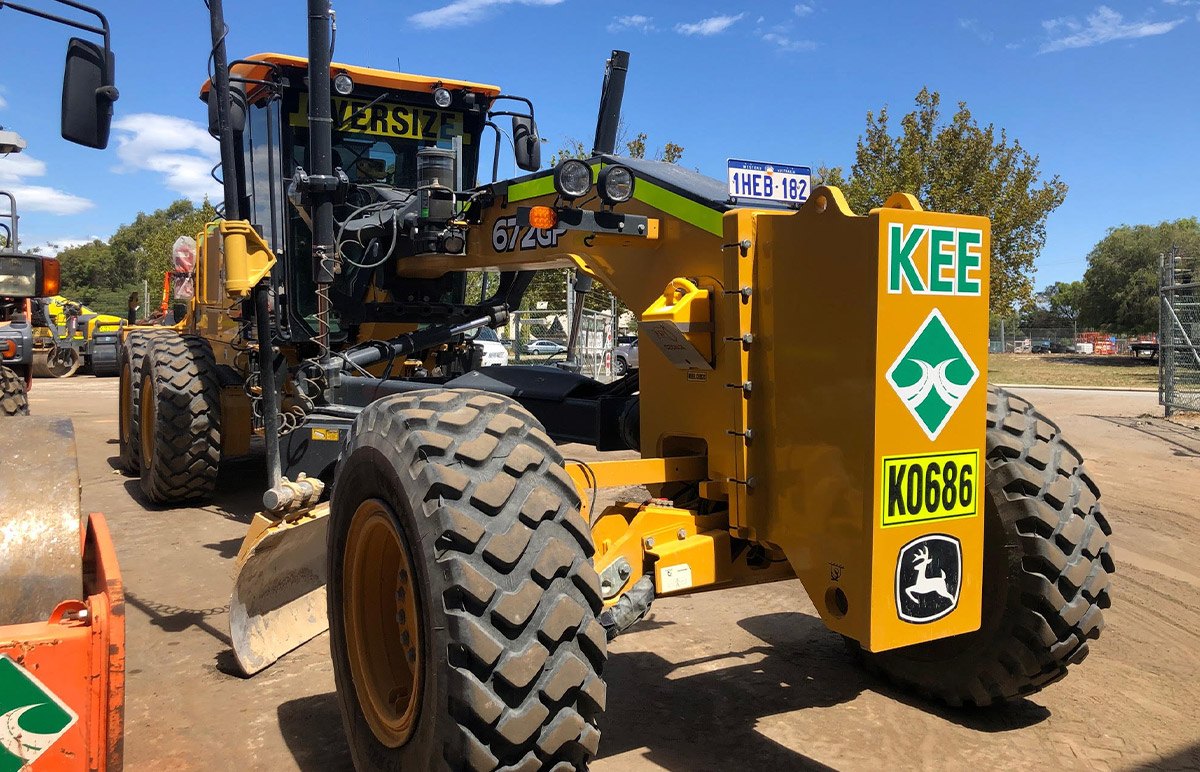
Troubleshooting Heavy Equipment in Remote Areas

construction hire

Dealing with heavy equipment breakdowns in remote areas is no small task. When machinery suddenly stops working miles away from the nearest facility or expert, it can be a major headache. These breakdowns can halt projects, cause costly delays, and frustrate even the most seasoned operators. Still, tackling these challenges head-on with the right strategies can help keep projects on track and make sure equipment runs smoothly again in no time.

Understanding the common problems and knowing effective troubleshooting techniques are key to minimizing downtime. Rapid and efficient problem-solving becomes even more crucial when your project site is isolated. The harsh conditions of remote places add another layer of difficulty to maintaining and fixing equipment. Yet, with preparation and a bit of know-how, many breakdowns can be resolved swiftly.

Common Causes of Heavy Equipment Breakdowns

Heavy machinery, like any other equipment, can face various mechanical issues. While each machine has its unique traits, there are a few common problems that can lead to breakdowns, especially when operating in remote spots.

1. Engine Issues: Clogged filters, worn-out belts, and overheating are frequent culprits. Engines are complex, and their performance can falter if not monitored closely.

2. Hydraulic Failures: Leaks, damaged hoses, and contaminated fluids can lead to hydraulic system problems. These issues often result in a loss of power and efficiency.

3. Electrical Problems: Faulty wiring or failing alternators can cause unexpected stops. Electrical systems can be sensitive, especially under harsh environmental conditions.

The rugged terrain and weather conditions typical in remote areas can put extra stress on machinery. Dust, mud, and extreme temperatures can accelerate wear and tear. Engines can overheat in hot, dusty environments, while cold weather can make oil thicken and strain various parts. Regular checks and quick fixes can mitigate such problems and protect the equipment from severe harm.

Essential Tools And Techniques For On-Site Troubleshooting

When you’re fixing machines in remote areas, having the right tools can make all the difference. The essentials include a good set of adjustable wrenches, a multimeter for electrical diagnostics, and a portable air compressor, which can be a lifesaver for clearing debris out of tight spaces. Having a reliable toolkit ensures you’re prepared for most situations, reducing downtime significantly.

Basic troubleshooting strategies are equally important. For instance, when faced with an engine issue, checking the oil and filter should be top of the list. If there’s a hydraulic failure, inspect for visible leaks first since they are the quickest to spot and usually straightforward to fix. A systematic approach helps in identifying and addressing the problem effectively, saving both time and effort.

Benefits Of Hiring Heavy Equipment For Remote Projects

Taking on the challenge of remote projects often means making smart decisions about equipment use. Hiring machinery offers several advantages over ownership, especially in isolated areas. The main benefit is flexibility; you can choose equipment that’s perfect for each phase of your project without long-term commitment. This approach can save you from the hassle of maintaining unused machines.

Additionally, hired equipment generally comes well-maintained and ready to handle rugged conditions. This is crucial when breakdowns in remote locations can severely impact timelines. Not having to worry about extensive maintenance means you can focus more on the task at hand, increasing productivity and efficiency.

How KEE Group Supports Remote Area Operations

Supporting operations in the middle of nowhere involves a whole lot more than just supplying machines. Providers like KEE Group understand the unique needs of working in challenging environments. This includes offering machines built for rugged terrain and various weather conditions.

Reliable support and maintenance spare no effort, so operators don’t have to tackle every issue alone. With easy access to professional help and replacement parts, operations can continue smoothly even when issues arise. This support network is invaluable in keeping projects moving and reducing downtime dramatically.

Keep Your Equipment Running Smoothly During Remote Projects

Making sure heavy equipment runs efficiently in remote areas involves a mix of preparation, the right tools, and strategic planning. Regular checks and professional maintenance help prevent common breakdowns. Knowing common problems and having a reliable troubleshooting process in place can make all the difference.

By choosing reliable equipment hire, operators can ensure access to well-maintained machinery suited for any project phase. This proactive approach minimizes the risk of unexpected breakdowns, helping projects run efficiently and on schedule. This balance between preparation and support is the key to overcoming the challenges of remote site operations.

To get the most out of your next project with minimal stress from equipment issues, consider the benefits of trusted hire of heavy equipment. KEE Group is here to help you access the best-maintained machinery suited for any job.

Why Renting Tipper Trucks Boosts Project Success

dump truck hire

Tipper trucks, often seen as the workhorses of the construction world, play a starring role in many large-scale projects. These robust vehicles are specially built to transport and dump loose materials, making them indispensable in construction, mining, and other heavy-duty operations. Their versatility lies in their design, which allows for easy loading at the work site and equally simple unloading at the project destination. From hauling gravel and sand to removing demolition waste, the capabilities of these trucks cover a wide range, providing unmatched support in managing large amounts of materials efficiently.

Various industries rely heavily on tipper trucks to elevate their operations. Construction, mining, and even waste management sectors are frequent users of these heavy machines. Road maintenance projects also benefit significantly from the use of tippers, given their ability to transport and swiftly deposit road-building materials. This reliance across different fields underscores the significance of such trucks in streamlining large-scale operations and boosting productivity.

Efficiency And Time-Saving

Hiring a tipper can make a remarkable difference in getting tasks done quickly and effectively. The ability to transport substantial quantities of materials in one go saves a lot of time and effort. Imagine trying to move heaps of dirt from a site with just a normal truck; it would involve multiple trips and extend project timelines dramatically. Tippers handle such challenges by doing the heavy lifting all at once, letting you focus on other critical aspects of your project.

These trucks are built for speed and ease, smoothing out the process of loading and unloading materials. A few benefits include:

  • Reducing the number of trips needed to transport materials.
  • Automated tipping mechanisms that save unloading time.
  • Enhanced project progression through rapid material relocation.

Ultimately, the efficiency provided by tipper trucks translates into notable project advancements, letting managers and teams hit their deadlines consistently.

Cost-Effectiveness

Choosing to hire a tipper rather than buying one can save considerable amounts of money for your project. Owning heavy equipment like tipper trucks comes with a hefty price tag and additional costs, such as maintenance, repair, and storage. When you hire, you avoid these ongoing expenses, letting the rental company deal with upkeep and repair. This means you’re only paying for the period when you actively use the truck, making it a smarter choice for budget-conscious project managers.

Here’s how hiring a tipper can be financially savvy:

  • No large upfront cost: Renting ensures your budget remains intact without the need for a major purchase.
  • Eliminate storage fees: You don’t need to worry about finding or paying for a place to store the truck when it’s not in use.
  • Avoid depreciation: Like all machinery, tippers lose value over time, but renting means you never have to worry about losing money through depreciation.

By renting, you ensure the tipper is used optimally only for as long as you need it, freeing up resources for other critical areas of your project.

Versatility In Operations

One of the biggest perks of using tipper trucks is their ability to perform various tasks across different project phases. From hauling soil and aggregates to relocating construction waste, these trucks are built to handle it all. They cater to the specific demands of sectors ranging from infrastructure development to resource extraction, easily adapting to new environmental conditions and load types without needing major adjustments.

Their multifunctionality means they can shift to different tasks as projects evolve, which is a huge plus for project managers looking for flexible solutions. Whether you’re clearing a site, laying down pavement, or managing mine output, the use of a tipper truck can simplify the process remarkably. The tipper’s adaptable nature ensures it aligns well with the fast-paced, changing needs found on construction sites.

Access To Modern Equipment

Renting offers the bonus of using the latest machines equipped with improved technology. This means the trucks you hire typically come with enhanced safety features, greater fuel efficiency, and precise controls, which contribute to smoother operations and better outcomes. Newer models are frequently available for hire, meeting stringent environmental standards and providing the latest in engineering advancements.

Trusting in modern equipment also delivers peace of mind. Newer trucks are more reliable and require less downtime, ensuring project flow is uninterrupted. This reliability translates into a strong performance, where delays due to equipment failure are far less common.

Summing Up The Benefits Of Hiring A Tipper

Choosing to hire a tipper truck brings a wealth of advantages to large-scale projects. Their efficiency in saving time, coupled with the significant cost benefits of renting, makes smart financial sense. These vehicles are invaluable for their versatility, offering tailored solutions that fit an array of operational needs, and hiring ensures you have access to the most modern, dependable machinery available.

The flexibility and reliability found in hiring a tipper present a compelling case for project managers invested in both short-term wins and long-term success. Whether your project involves construction, mining, or any large-scale logistical task, tipper trucks prove to be essential allies in achieving goals efficiently and economically.

Considering the wide-ranging benefits of hiring modern tipper trucks, it’s clear they provide a cost-effective and versatile solution for large-scale projects. If you’re seeking efficient solutions in the hire of a tipper, discover how KEE Group can support your demands. Explore how our services ensure you get the latest equipment for smooth and successful operations.

Achieve Perfect Site Levels with Grader Hire

field services

Getting the ground just right in construction isn’t just about getting your tools in a row; it requires precision that sometimes only specialized equipment can provide. This is where graders come into play. Graders are machines that help create perfectly levels on construction sites, ensuring the ground is ready for the next stages of building or infrastructure projects. Without the right equipment, achieving a smooth and level surface can be quite the challenge. That’s why many construction professionals find grader hire an invaluable resource, allowing them to tackle projects with more confidence and ease.

The importance of achieving the perfect site level cannot be overstated. It not only sets the foundation for a successful project but also avoids issues down the line. A poorly leveled site can lead to structural problems that might cost more to fix later on. Imagine trying to build a house on uneven ground; it’s like stacking blocks on a tilted surface. Getting it right from the beginning allows for smoother progress throughout the project, and hiring a grader is one of the best ways to ensure that success.

Understanding Graders and Their Functions

Graders, often referred to as motor graders, are powerful pieces of machinery used widely in construction for their ability to level surfaces. They are equipped with a long blade to create a flat surface during grading and a set of wheels that provide mobility and control. Whether you’re preparing a dirt road for paving or smoothing out a construction site, a grader is a go-to machine for ensuring the surface is even and well-prepared.

Graders are used primarily for three functions:

  • Leveling: With their long blades, graders efficiently level materials such as soil and gravel to achieve a flat surface.
  • Smoothing Surfaces: They can smooth rough and bumpy surfaces, making them suitable for construction or road building.
  • Ground Preparation: Before laying asphalt or concrete, graders prepare the ground, ensuring it’s stable and ready for the next steps.

Graders have become essential in making sure construction projects have the firm foundations they need to succeed. Without them, achieving the perfect grade required for many projects would be much more labor-intensive and time-consuming, which is why they’re such a fundamental part of the construction landscape today.

Benefits of Hiring a Grader for Your Construction Project

Opting for grader hire rather than purchasing one can provide several advantages for businesses, especially in terms of cost-efficiency. Owning heavy machinery ties up capital and involves ongoing maintenance and storage costs, which can be avoided by hiring as needed.

Here are some benefits of hiring a grader:

  • Access to Latest Models: Hiring companies often provide the newest models, equipped with the latest technology, allowing for streamlined operations.
  • Cost Savings: By hiring, you avoid the large upfront costs associated with purchasing heavy machinery.
  • Reduced Maintenance: With hired equipment, maintenance responsibilities often fall on the rental company, saving you time and money.

For many businesses, hiring a grader allows them to use high-quality equipment without the burden of ownership, letting them divert their resources to other crucial areas of their projects instead.

Tips for Maximizing Efficiency with Hired Graders

Once you’ve decided to hire a grader for your construction project, the next step is to ensure you’re getting the most out of it. Selecting the right grader based on your project needs is the first and foremost task. Consider factors like the size of your project, the type of terrain, and the specific tasks you need the grader to perform.

Here are some practical tips to help make the most of your hired grader:

  • Select the Appropriate Model: Different projects require different grader capabilities. Choose a model that aligns with the scope and demands of your project.
  • Operator Training: Ensure the operator is well-trained and familiar with the specific grader model you’re using. A skilled operator can maximize the grader’s potential, leading to better results.
  • Regular Maintenance: Keep the grader in good condition with regular checks. Addressing small issues before they become big problems can save time and money.
  • Plan Your Task List: Identify specific tasks beforehand to avoid downtime. A clear plan helps in scheduling tasks efficiently and ensures your project proceeds without unnecessary delays.

Having these considerations in mind can make a significant difference in how effectively the grader contributes to your project’s success. A strategic approach not only bolsters productivity but also ensures smooth operations.

How Grader Hire From KEE Group Can Enhance Your Project

There’s a reliable partner out there that offers a promising range of grader options, tailored for varying needs in construction projects. These graders are backed by ongoing support services that are aimed at making sure your project runs as smoothly as possible from start to finish. This includes helpful services like machine delivery and on-site assistance, ensuring that you’re never left in a lurch.

With so many options available, there’s a grader suited for every unique project requirement. What’s more, you’ll find it handy that each machine is well-maintained and up-to-date with the latest advancements. This means more efficiency on the job, reducing the time spent managing equipment and boosting the time spent seeing the project come to life.

Achieving Perfect Site Levels with Grader Hire

As you’ve explored, hiring a grader brings undeniable value to construction projects. From understanding the multifunctional roles of graders to recognizing the practical benefits of hiring them, the journey from start to finish becomes significantly smoother. The decision to hire ensures you have access to top-notch equipment suited to various project needs without the financial burden of ownership.

Being resourceful with grader hire can help achieve that elusive perfect site level, paving the way for efficient project execution. By following a few simple tips, focusing on operator training, and maintaining regular equipment checks, you can look forward to optimal performance and outcomes.

Giving your project the best possible foundation sets it up for success and minimises potential pitfalls down the line. So, as you plan your next construction endeavour, remember that grader hire can be the investment that changes the game for you.

When you’re ready to transform your construction site with precision and efficiency, explore how grader hire can be the perfect solution. At KEE Group, we provide top-quality equipment that fits your project’s unique demands. Discover how the hire of a grader can elevate your site preparation and execution today.

Boost Construction Efficiency with Wheel Loader Hire

vehicle hire

Construction sites demand efficiency, and achieving it often boils down to having the right machinery at hand. Wheel loaders are a favorite among many construction professionals because they efficiently move materials around the site. Whether you’re loading debris onto a truck or transporting materials, wheel loaders boost productivity and help manage time effectively. But why hire a wheel loader, you ask? It’s simple. A hired machine ensures access to the latest models and technology without the commitment of ownership. Plus, the cost-effectiveness of hiring versus purchasing outright can make a big difference in your budget.

Without the right machinery, construction projects can face delays, increased costs, and unnecessary stress. Imagine trying to shift piles of sand without the proper equipment—it’d be a slow and tedious process. Wheel loaders can handle these tasks with ease, ensuring your construction activities don’t miss a beat. With plenty of options available, finding the perfect fit for your project is easier and more flexible when renting. This piece will discuss how hiring this tool can significantly enhance your site’s operations.

Understanding the Role of Wheel Loaders on Construction Sites

Wheel loaders are crucial in construction because they handle many tasks seamlessly. These machines lift and transport heavy materials such as gravel, sand, cement, and demolition waste. Their agility helps navigate construction sites, making moving loose materials from one spot to another efficient. This flexibility supports a variety of projects, from road constructions to housing developments.

The main benefits include:

  • Increased productivity: With their impressive load capacity, wheel loaders reduce the need for manual labor, speeding up processes and minimizing worker fatigue.
  • Versatile functions: Besides transporting materials, wheel loaders can be equipped with attachments like brooms or forks, broadening their range of use.
  • Easy handling: Their intuitive controls mean operators can handle them easily even in tight spaces, making them ideal for jobs in congested areas.

Imagine having to manually move materials across your site—it’s time-consuming and labor-intensive. With a wheel loader, efficiency soars and your team can focus on other critical tasks. For construction managers aiming for seamless project flow, integrating wheel loaders as a part of their equipment hire program offers strategic advantages. Whether handling excavation work or preparing site grounds, wheel loaders prove invaluable, offering support precisely where it’s needed.

Tips for Selecting the Right Wheel Loader for Your Construction Site

Choosing the right wheel loader involves assessing several factors to ensure it matches your project’s needs. It’s important to consider the size of your project. For small sites, compact loaders are ideal, as they navigate tight spaces easily. Larger jobs might require robust models with higher capacity to manage heavy materials efficiently.

Next, think about the terrain. Some loaders are better equipped for rough or uneven surfaces, offering enhanced stability and grip. Tasks and the type of materials you’ll be handling play a part, too. For example, moving loose gravel might require a different loader than transporting heavier, denser materials like clay. You’ll want to think about your loader attachments as well. Some sites benefit from loaders with attachments like forks for lifting pallets or buckets for scooping.

Here’s a checklist to guide your selection:

  • Project size: Choose a loader suitable for the scale and scope of your project.
  • Terrain consideration: Match the loader’s capabilities to site conditions.
  • Specific tasks: Ensure compatibility with the job’s material handling needs.
  • Attachments: Determine necessary attachments for your project requirements.

Prioritizing these aspects will help ensure you pick a wheel loader that maximizes efficiency on-site.

Maintenance Tips to Ensure Optimal Performance of Hired Wheel Loaders

Keeping your wheel loaders in top shape is key to maintaining efficiency. Regular inspections help spot issues before they escalate. Checking fluid levels, tyre pressures, and hydraulic systems can help avoid unexpected downtimes. It’s wise to follow a consistent servicing schedule, aligning with the manufacturer’s recommendations to extend the equipment’s lifespan.

Operator training is another important point. Skilled operators who understand the machine’s capabilities and limits improve safety and performance. Providing training on the safest operating practices and equipment handling ensures fewer mistakes and mishaps on-site. Keeping the loader clean and free from debris also prevents wear and tear and ensures smooth operation.

A few maintenance pointers include:

  • Routine checks: Regularly inspect equipment parts and fluid levels.
  • Servicing schedules: Stick to planned services for longevity.
  • Operator training: Invest in thorough training to maximize safety and efficiency.
  • Cleanliness: Maintain equipment cleanliness to reduce wear.

Implementing these maintenance strategies can prevent costly repairs and extend the life of your machinery, enhancing your project’s overall success.

How Hiring from KEE Group Enhances Efficiency

When it comes to hiring wheel loaders, having access to reliable equipment can make a difference in your project’s success. Hiring offers access to a range of options suited to different construction needs. You can select from the latest models, ensuring you benefit from the most recent technology and innovations in machinery. This approach not only enhances project efficiency but also helps manage operating costs effectively.

Ensuring your hired equipment is well-maintained and primed for performance is another perk. You avoid the long-term commitments and expenses associated with ownership while still enjoying access to high-quality machinery when you need it most. This flexibility supports diverse project scopes, from short-term tasks to extended engagements.

In considering the range of benefits that hired wheel loaders offer, you can assess how they integrate into and support varying construction workflows.

Wrapping Up: Streamlining Your Construction Projects with Wheel Loader Hire

Wheel loader hire is a smart strategy to elevate construction site efficiency. By selecting machines tailored to your project’s needs, you can streamline operations and boost productivity. Ensuring routine maintenance and proper operator training further secures hassle-free project execution.

Whether working on a small-scale job or a challenging large site, the advantages of renting wheel loaders can position your projects for success. Consider this approach for your next operations to experience firsthand the benefits of enhanced project management and resource optimization.

Experience the ease and effectiveness that comes from the hire of a wheel loader and streamline your next project. With KEE Group, you gain access to well-maintained, cutting-edge equipment and expert support to keep your operations running smoothly. Explore the available options to find the best fit for your construction needs.

Importance of Maintenance for Rollers

compaction rollers

Maintaining heavy machinery is a bit like taking care of a car. Just as you wouldn’t drive your vehicle without regular check-ups, skipping maintenance for heavy equipment can lead to problems down the road. This is particularly true for rollers, which play a crucial role in construction and paving projects. Without regular attention, their performance can suffer, leading to delays and unexpected expenses.

Rollers are designed to provide smooth surfaces, so when one isn’t working properly, it can affect the entire project. Regular maintenance ensures that rollers operate effectively, preventing breakdowns and maintaining the quality of work. By keeping rollers in top shape, companies can avoid costly downtime and deliver reliable results.

Why Regular Maintenance is Important for Hired Rollers

Rollers are essential tools on construction sites, used to compact soil, gravel, and asphalt. They help ensure that foundations are solid and surfaces are smooth. If a roller is not kept in good condition, it can create uneven surfaces and lead to structural problems. To keep rollers working as they should, routine maintenance is key.

Problems that can arise from neglect include:

  • Decreased Efficiency: Rollers may start to vibrate less effectively, impacting compaction quality.
  • Increased Wear and Tear: Components might wear out faster, leading to frequent repairs.
  • Unexpected Downtime: Breakdowns can halt work, causing delays and frustration.

Keeping rollers well-maintained not only ensures their longevity but also supports the overall workflow. Imagine a project that gets delayed because the roller isn’t performing its best. The added stress and financial implications can be avoided with regular check-ups and simple upkeep.

Ensuring that rollers receive regular maintenance is about protecting the investment and guaranteeing smooth operations. Investing time and effort into this aspect can significantly benefit construction outcomes, making it a priority for anyone relying on such equipment.

Key Maintenance Tasks for Hired Rollers

Maintaining rollers is a bit like having a regular routine for keeping fit. Just as exercising helps keep us healthy, regular maintenance keeps rollers in prime condition. Here’s a simple breakdown of tasks that help maintain the efficiency and lifespan of hired rollers.

  • Daily Inspections
  • Check fluid levels to make sure everything is running smoothly.
  • Inspect tire pressure to ensure it’s in line with specifications.
  • Examine hydraulic systems for any signs of wear or leaks.
  • Weekly/Monthly Checks
  • Review engine performance to catch any potential issues early.
  • Lubricate moving parts to prevent grinding or friction.
  • Look for wear and tear to address small problems before they grow.
  • Seasonal Maintenance
  • Prepare the roller for varying weather conditions. Whether it’s rain, heat, or cold, adjust maintenance routines to protect and optimize the equipment’s performance.

Regular attention to these maintenance tasks helps in identifying minor issues before they escalate into larger problems. This proactive approach saves time and money, ensuring rollers work efficiently throughout rental periods.

Benefits of Proper Maintenance for Hired Rollers

Looking after hired rollers means more than just meeting basic requirements. Proper maintenance brings a bunch of benefits that make both the equipment and projects more successful.

A well-maintained roller extends its useful life. By regularly checking and fixing any issues, you reduce the chances of significant breakdowns. It’s like giving the equipment a new lease on life, ensuring it’s ready to roll whenever you need it.

Performance is another major area that benefits from regular care. Rollers that are consistently maintained operate more smoothly. You’ll notice the difference in how they handle jobs, resulting in better compaction and ultimately greater success on-site.

Cost efficiency comes into play when maintenance prevents costly repairs. When small problems are fixed early, you avoid significant expenses and the hassle of unplanned downtime. This kind of upkeep protects your investment, keeping project budgets tight and timelines on track.

These benefits of maintenance make it an absolute must in the construction world. They don’t just help the machines but enhance the quality and efficiency of the work itself.

Keep Your Projects Rolling Smoothly

Ensuring that hired rollers receive the care they deserve is about more than keeping machines in working order. It’s about safeguarding entire projects from disruptions and setbacks. Regular maintenance leads to seamless operations, allowing construction activities to proceed without a hitch.

Maintaining these machines is straightforward; however, the impact on project outcomes is anything but minor. It helps maintain steady progress, conserving resources and enhancing productivity. This kind of attention to detail makes a significant difference in how smoothly everything runs.

By keeping rollers in top condition, you’ll help them operate to their full potential. It’s an effective way to make sure machinery is always ready to perform, demonstrating that consistent care is wise for anyone relying on these vital tools.

When it comes to hire of a roller, partnering with a reliable service provider ensures all your equipment needs are met. KEE Group not only offers top-notch machinery but also provides expert maintenance support to keep your projects running smoothly. Explore their offerings to learn more about how they can help you succeed.

Choosing the Right Excavator for Your Project

plant hire in Perth

Selecting the right excavator for a construction project is much like picking the right tool from a toolbox; the impact on efficiency and safety is significant. Whether the task involves digging, lifting, or demolishing, having the correct excavator ensures the work proceeds smoothly, avoiding unnecessary delays and accidents. The right excavator can work wonders, improving productivity and keeping workers safe.

Construction projects come in all shapes and sizes, and so do excavators. With so many options, choosing the right type might seem challenging. But the effort spent upfront in identifying the perfect fit can pay off by boosting job site performance. Let’s explore how to pinpoint the best excavator to match your construction needs.

Assessing Project Requirements

Before selecting which excavator to hire, it’s crucial to thoroughly understand the specific requirements of your project. This evaluation lays the foundation for a successful match between task and machinery.

  1. Size and Scope: Begin by gauging the overall dimensions and scale of the project. For large-scale developments, you may need an excavator that offers significant reach and power. Smaller, more detailed work could benefit from a nimble mini excavator.
  2. Material and Terrain: The type of material you’ll handle plays a huge role in your decision. Whether breaking hard rock or scooping soft soil, you need a machine built for the task. Also, consider the terrain—flat and open spaces need different requirements compared to rugged or uneven ground.
  3. Task-Specific Needs: Excavators are versatile, and knowing exactly what tasks they’ll perform—be it digging foundations, moving debris, or lifting heavy items—can guide you in size, capacity, and additional features needed.

By paying attention to these project-specific factors, selecting the right excavator becomes a strategic move that aligns directly with operational goals. Understanding these needs ensures you aren’t left with a machine that’s inadequate or overly equipped, thereby managing costs efficiently and maintaining the normal flow of work.

Types of Excavators

Selecting the ideal excavator involves considering the different types available, each with distinct strengths and applications.

  • Mini Excavators: Compact and maneuverable, these are perfect for tight spaces and smaller tasks. They might be ideal for urban jobs or residential landscaping, where access points are tight.
  • Standard Excavators: These machines are the workhorses of many construction sites, balancing size and performance, making them suitable for a wide variety of tasks from trenching to lifting heavy loads.
  • Large Excavators: Best for large-scale projects, these machines cater to significant earth-moving tasks, such as mining or large infrastructure projects, where size and power are critical.

Choosing between these types requires aligning the excavator’s capabilities with your project requirements. By closely examining each type’s pros and cons, you can ensure that your project gets the best support possible, keeping timelines tight and goals achievable.

Key Features to Consider

Finding the right excavator isn’t just about size. Examine critical features that make an excavator suitable for your building project. First, look at bucket capacity and reach; these elements determine how much material the excavator can move and how efficiently it can reach different points on your site. Then, think about engine power and fuel efficiency, which affect operational power and cost-effectiveness. A machine with strong power output is necessary for tougher materials and longer operating hours.

Attachments can transform a basic excavator into a versatile powerhouse. Consider whether additional attachments are necessary for your project, such as grapples, augers, or hydraulic hammers. These can significantly extend the machine’s functionality. Safety features should never be overlooked, with stable platforms, reliable control systems, and easy operation being vital for minimizing risks and ensuring the well-being of the workforce.

Hiring From Trusted Providers

Choosing to hire an excavator from a trusted provider can save you time and headaches. Rental options often come with built-in maintenance support and flexibility. This can be more economical than purchasing a machine outright, especially if your project is short-term or demands vary. Providers usually offer a range of models, allowing for precise tailoring to your project’s specific needs.

Furthermore, good providers maintain their equipment regularly, assuring reliability and performance. Checking the provider’s maintenance routines can add another layer of reassurance. Ensure they offer comprehensive service and support that minimizes downtime and keeps projects moving forward efficiently. Renting also offers the opportunity to try different models and setups until you find the perfect fit.

Maximizing Your Excavator’s Efficiency

To ensure your excavator delivers the best performance, focus on regular usage and maintenance practices. Proper operator training is fundamental; a skilled operator can maximise machine capabilities and reduce the wear and tear on the equipment. Routine checks and servicing are also crucial. Keeping an eye on engine fluids, inspecting attachments, and cleaning the machine regularly can extend its lifespan and prevent costly repairs.

Recognise the signs of common issues such as unusual noises or hydraulic leaks. Address these promptly to avoid larger problems. When in doubt, reaching out for professional help can prevent more significant breakdowns. This proactive approach keeps projects running smoothly and avoids unnecessary stoppages.

Making the Right Choice for Your Project

As you bring all these elements together, choosing the right excavator becomes about understanding your project inside and out. Assess each need, weigh your options, and stay informed on what each type and feature offers. With careful consideration, you can select an excavator that enhances productivity, safety, and cost-effectiveness on your site.

The benefits of making informed decisions extend beyond just the project at hand. The right choices set a foundation for ongoing success in future projects. Always take time to match your requirements with the machine’s capabilities, and don’t hesitate to consult with experts to ensure you’re on the right track.

For tailored solutions that fit your construction needs, explore the advantages of the hire of an excavator with KEE Group. Our extensive range of equipment and dedicated support ensure your project runs efficiently and safely. Trust KEE Group to provide the right machinery for successful outcomes.

Enquire today

Get a Quote today!

Please fill in your details and a KEE Hire team member will reach out to you very soon.

Alternatively, you can contact us via the details below:

contactus@keegroup.com.au

+61 8 6401 8500

"*" indicates required fields

Our people are our greatest asset

KEE Group are growing fast and we are often looking for the right people to help us make it happen. If you would like to join our team and share in the excitement, get in touch today!

Join The Team