Tipper Hire – Why KEE Hire Is WA’s Trusted Name in Civil and Mining Projects

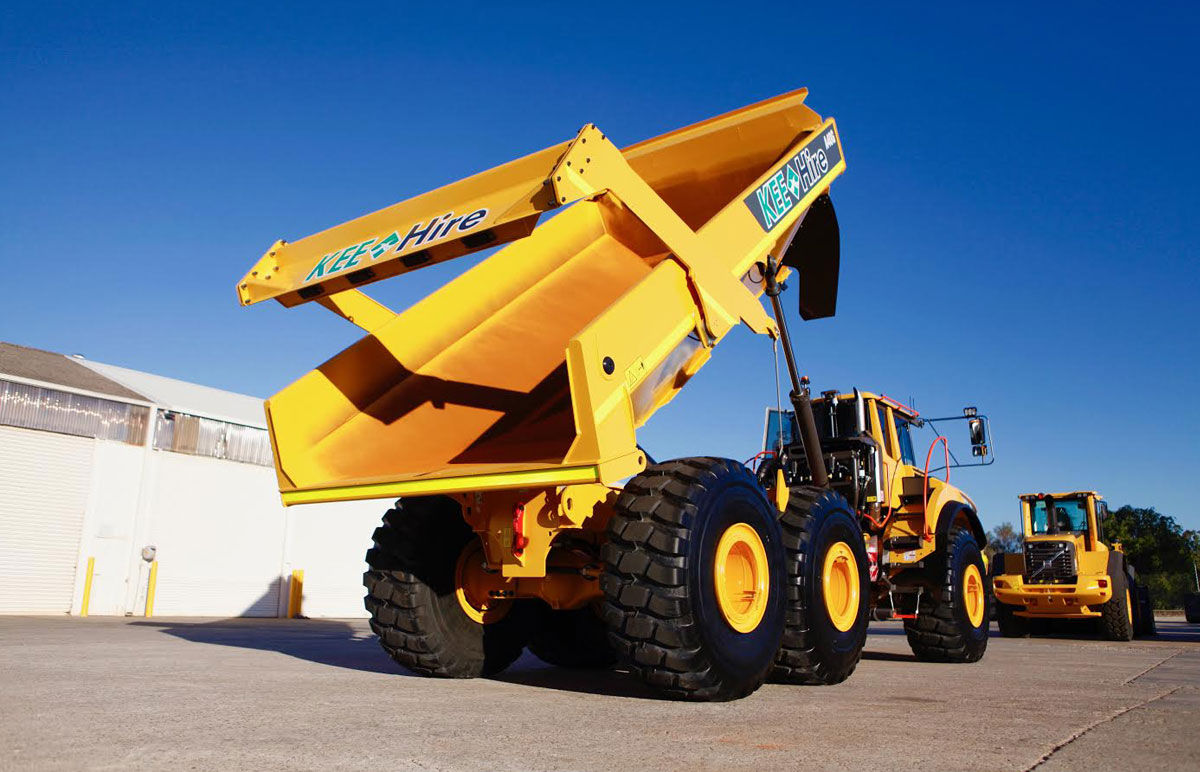
Tipper Hire Perth

When it comes to tipper hire in Perth and across Western Australia, few companies can match the experience, fleet quality, and service excellence of KEE Hire. As a division of the trusted KEE Group, KEE Hire specialises in supplying modern, fully maintained tipper trucks that meet the rigorous demands of both civil and mining projects—regardless of size or location.

From bulk earthworks to materials haulage on remote mine sites, KEE Hire’s tipper solutions are built for performance, reliability, and compliance.

Explore Tipper Hire Options

High-Performance Tipper Trucks Available for Hire

KEE Hire offers a comprehensive fleet of late-model tipper trucks and trailers designed to tackle a wide range of transport and earthmoving tasks. Whether you need to haul aggregates, overburden, sand, spoil, or construction materials, KEE has the right vehicle for the job.

Available configurations include:

  • Single and tandem axle tippers
  • 6-wheel and 10-wheel rigid tippers
  • Truck and dog combinations
  • Semi tippers and side tippers for bulk haulage
  • Mine-spec tipper trucks suitable for harsh site conditions

All vehicles are meticulously maintained in-house and are available for wet or dry hire, giving you the flexibility to choose the right option for your project and workforce.

Why Choose KEE Hire for Tipper Hire in Western Australia?

KEE Hire stands out in the competitive tipper hire market thanks to its unwavering focus on service, safety, and operational efficiency. Here’s why they are the go-to partner for leading contractors across WA:

1. Modern, Reliable Fleet

KEE Hire’s tippers are low-hour, high-spec machines from trusted manufacturers like Volvo, Kenworth, and Isuzu. Each vehicle undergoes stringent pre-hire inspections and regular servicing to ensure peak performance and minimal downtime.

2. Expertise Across WA’s Harshest Environments

Operating across the vast and varied landscapes of Western Australia, KEE Hire understands the logistical and environmental challenges faced by contractors in remote and regional areas. Their tippers are mine-ready and site-compliant, making them ideal for both urban infrastructure works and remote mining operations.

3. Fully Compliant and Mine-Spec Ready

Safety and compliance are non-negotiable. All tipper trucks are supplied with:

  • Site-specific inductions and documentation
  • Comprehensive service records
  • GPS tracking
  • Safety features like reversing cameras, beacons, and ROPS
  • Optional mine specifications tailored to your site requirements

4. Flexible Hire Options

KEE Hire offers tailored solutions to suit short-term contracts, long-term leases, and everything in between. Their wet hire service includes experienced and fully ticketed operators, while their dry hire gives you the control to utilise your own team.

5. 24/7 Support and Logistics

KEE’s support doesn’t stop once the vehicle hits the road. Their 24/7 backup service and in-house logistics team ensure smooth mobilisation, prompt maintenance, and ongoing fleet optimisation throughout the duration of your project.

Servicing Perth and All of Western Australia

KEE Hire proudly services civil and mining projects across:

  • Perth Metro
  • Pilbara
  • Kalgoorlie and Goldfields
  • South West WA (including Bunbury and Busselton)
  • Mid-West and Geraldton
  • Kimberley and remote northern WA

Wherever your site is located, KEE Hire has the capacity to mobilise quality tippers and equipment on schedule—backed by a professional support network that understands WA’s unique operational demands.

Built for Heavy Workloads. Backed by Professionals.

Choosing the right tipper hire provider isn’t just about getting a truck—it’s about ensuring your material handling and haulage is executed safely, efficiently, and with minimal downtime.

KEE Hire is more than just a hire company. They’re a trusted project partner with the fleet, the people, and the WA knowledge to keep your operations moving forward.

Need Reliable Tipper Hire in Perth or WA?

Get the job done right with KEE Hire’s premium tipper fleet and dedicated support team. Whether you’re managing bulk haulage for a mining project or coordinating civil works across multiple sites, KEE has the gear to meet your demands.


Excavator Hire – Why KEE Hire Is WA’s Leading Choice for Civil and Mining Projects

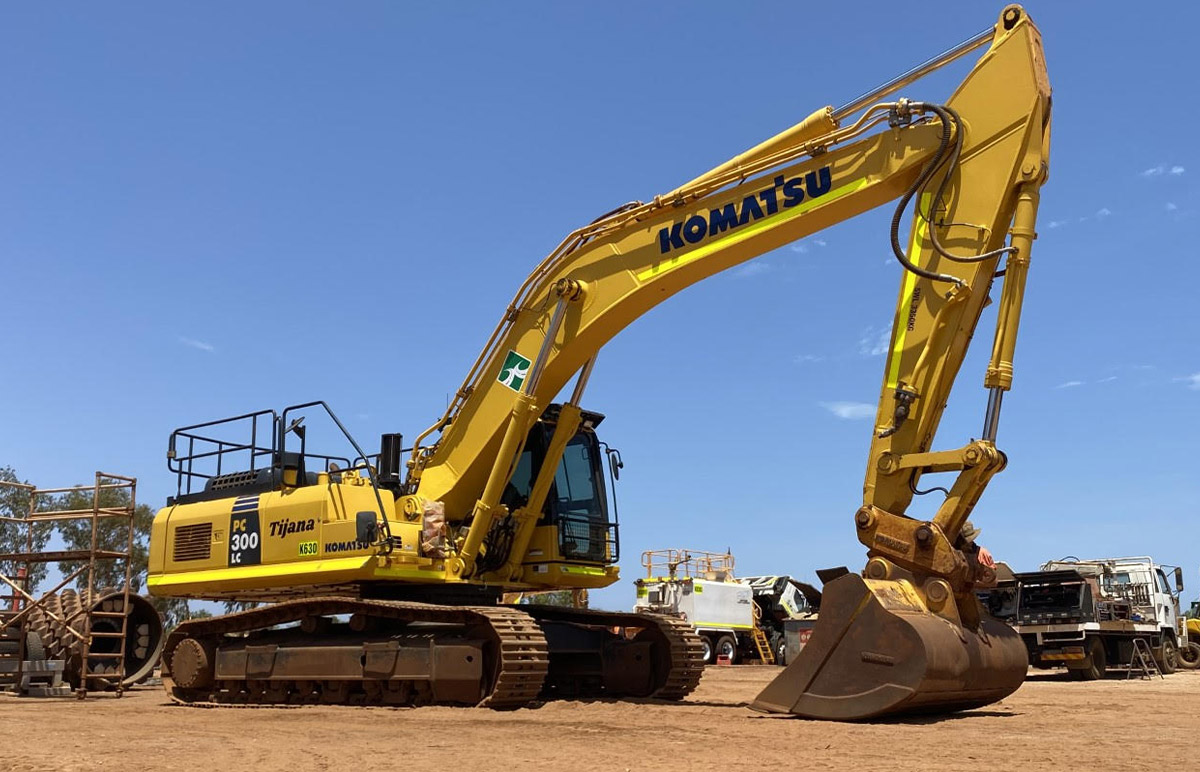
Excavator Hire perth

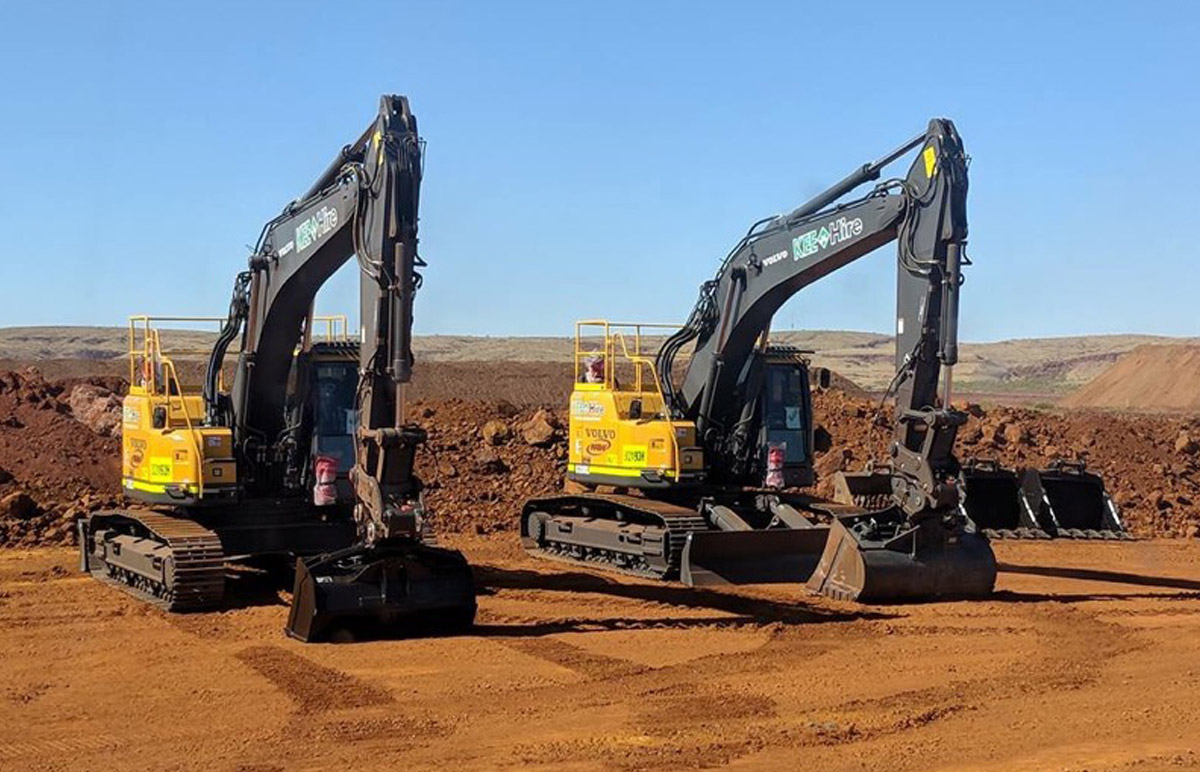
When it comes to excavator hire in Perth and across Western Australia, no name stands out more than KEE Hire. With a proven track record in delivering high-performance equipment backed by expert service and support, KEE Hire is the trusted partner for contractors, project managers, and mining operators seeking reliability, safety, and efficiency.

Whether you’re working on a large-scale mining development in the Pilbara or a civil infrastructure project in the Perth metro area, KEE Hire offers tailored excavator solutions designed to keep your project moving forward—on time and within budget.

Comprehensive Excavator Hire Fleet for Every Application

KEE Hire provides one of WA’s most extensive fleets of modern excavators for hire, ranging from compact machines suitable for urban work to heavy-duty units ideal for demanding mining environments.

Their excavator range includes:

  • 1.7-tonne to 85-tonne excavators
  • Long-reach excavators
  • GPS & machine control-equipped models
  • Zero swing excavators for confined spaces
  • Attachments including rock breakers, augers, buckets, and more

All machines are fully maintained to the highest standards and can be supplied with experienced operators or as dry hire, depending on your requirements.

Why KEE Hire Leads the Way in Excavator Hire

Here’s what sets KEE Hire apart from the competition in the excavator hire industry:

1. Reliability and Modern Equipment

KEE Hire only supplies late-model, low-hour machinery from reputable manufacturers like CAT, Hitachi, and Komatsu. Each excavator undergoes a rigorous maintenance and inspection process before it hits the site, ensuring maximum uptime and performance.

2. WA-Focused Expertise

With deep roots in Western Australia, KEE Hire understands the unique challenges of working in remote, harsh, or logistically complex environments. Their team has hands-on experience supporting mining operations in the Pilbara, Goldfields, and Mid-West, as well as large-scale infrastructure projects in Perth and the South West.

3. 24/7 Support & Logistics

KEE Hire’s in-house logistics and mechanical support teams ensure that equipment is delivered on time, fully compliant, and ready to work. Their 24/7 support service guarantees rapid response to any issues, helping to minimise downtime.

4. Compliance and Safety

Safety is non-negotiable. All equipment from KEE Hire is supplied with comprehensive service records, up-to-date mine spec compliance, and fully documented safety certifications. Operators are qualified to work across mining and civil projects with full adherence to industry regulations.

5. Flexible Hire Options

From short-term civil works to long-term mining contracts, KEE Hire offers flexible hire agreements, including dry hire, wet hire, and long-term leasing. They work closely with clients to ensure cost-effective, scalable solutions that suit the size and duration of your project.

Servicing Perth and Beyond

KEE Hire isn’t limited to Perth—they proudly supply excavators for hire throughout Western Australia, including:

  • Pilbara
  • Kalgoorlie and the Goldfields
  • Bunbury and South West WA
  • Geraldton and the Mid-West
  • Kimberley region

No matter how remote or challenging the terrain, KEE Hire has the logistical capability to mobilise and maintain machinery where you need it, when you need it.

Choose the Excavator Hire Professionals

When you’re selecting a partner for your next project, you want more than just a machine—you need a professional team who understands your operational needs, offers dependable support, and provides machinery that performs at the highest level.

That’s exactly what you get with KEE Hire.

With a reputation built on quality, performance, and trust, KEE Hire is the go-to provider for excavator hire in Perth and across Western Australia.

Ready to Get Started?

Explore the full range of excavators for hire in Perth and request a quote today.

Plant Hire – Why Professionals Across WA Choose KEE Hire

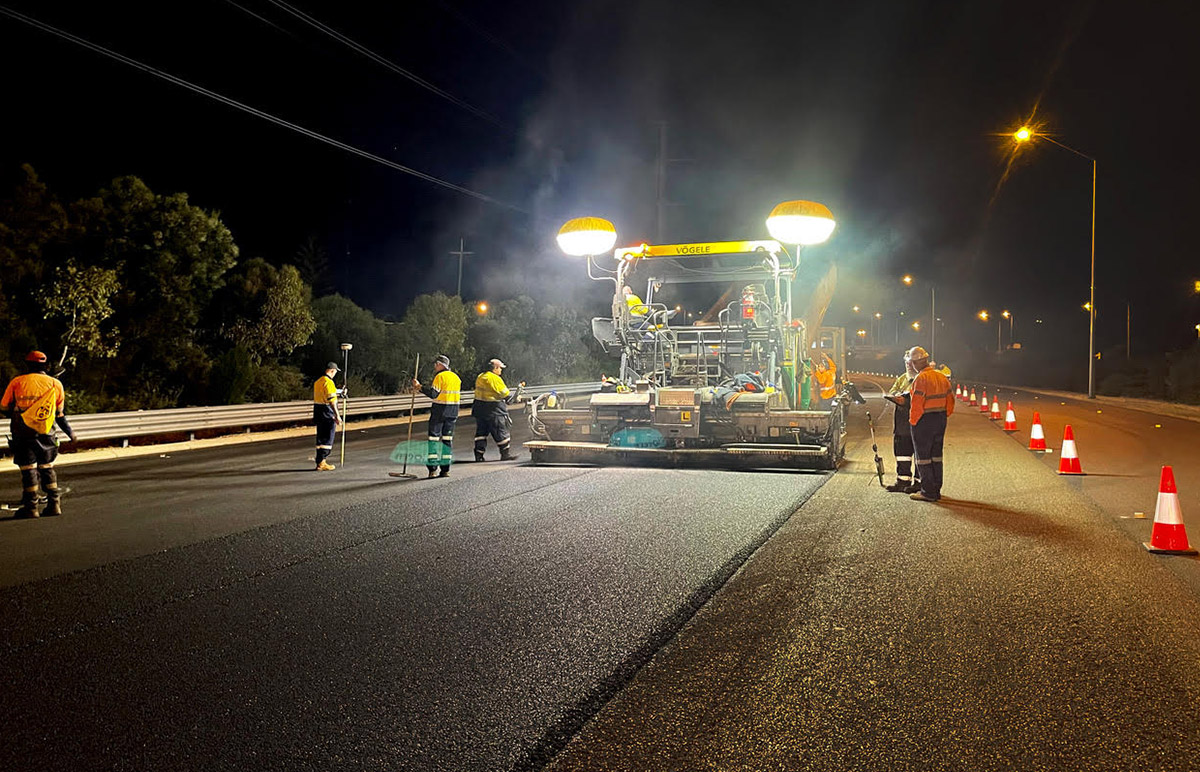
dump trucks

At KEE Hire, we understand that when it comes to plant hire, you need more than just a machine—you need reliability, safety, support, and performance. That’s why contractors, project managers, and mining operators across Western Australia choose us as their preferred partner for plant hire in Perth and beyond.

With decades of hands-on industry experience and a purpose-built fleet designed specifically for WA conditions, we’re proud to be the plant hire company that professionals trust to keep projects running smoothly, safely, and efficiently.

What Is Plant Hire – And Why It Matters in WA

For those new to the term, plant hire involves the rental of heavy equipment and machinery required for mining, civil construction, and infrastructure works. It includes everything from:

  • Excavators and dozers
  • Graders and rollers
  • Dump trucks and water carts
  • Service vehicles and support equipment

In a state as vast and demanding as Western Australia, the benefits of hiring plant rather than buying outright are huge:

  • Avoid large capital expenses
  • Access late-model, mine-spec machinery
  • Scale your fleet up or down as needed
  • Eliminate ongoing maintenance costs
  • Meet strict compliance standards with ease

We’ve built our business around helping you do just that—get the gear you need, when you need it, without compromise.

Why KEE Hire Leads the Way in Plant Hire in Perth and WA’s Mining Sector

We’re not just another hire company. We’re a WA-owned and operated team of plant hire professionals with deep knowledge of the local mining and civil industries. Here’s how we make a difference.

Purpose-Built, Mine-Spec Plant

Our fleet is designed to thrive in WA’s harshest environments. Whether you’re working in the Pilbara, Kalgoorlie, or the Mid-West, we provide mine-ready machinery that meets all safety and operational requirements. Our fleet includes:

  • GPS-equipped graders
  • Tier 1 compliant excavators and dozers
  • Heavy-duty dump trucks and articulated haulers
  • Support vehicles with ROPS/FOPS and full mine specifications

Every machine is thoroughly inspected, serviced, and site-compliant before it arrives at your jobsite.

Wet and Dry Hire Options

We understand that different projects require different solutions. That’s why we offer both:

  • Wet hire – supplied with fully qualified, experienced operators
  • Dry hire – for clients who prefer to use their own workforce

Whatever the project scope or budget, we provide flexible options that work for you.

Local Knowledge, Industry Experience

Plant hire in WA isn’t like hiring gear in other parts of the country. Distance, dust, isolation, and logistics all play a role. Our team has worked on remote mine sites, regional highways, and metropolitan civil projects—so we know the challenges you face, and we know how to help you overcome them.

Our support doesn’t stop once the gear is delivered. We offer 24/7 technical support, rapid onsite servicing, and reliable maintenance to keep your plant moving, no matter where you are.

Safety and Compliance Are Non-Negotiable

When you hire from us, you’re not just getting top-tier equipment—you’re getting peace of mind. All our plant is:

  • Fully maintained and documented
  • Delivered with compliance packs
  • Regularly updated to meet latest site and legislative requirements
  • GPS-tracked for visibility and performance monitoring

We take safety seriously—because we know you do too.

Flexible Hire Terms for Real-World Projects

From short-term hires to multi-year mining operations, we tailor every hire agreement to your specific needs. We don’t do cookie-cutter contracts. Instead, we work with you to build a solution that:

  • Meets your schedule
  • Fits your budget
  • Delivers value over the life of your project

Tips for Choosing the Right Plant Hire Partner

As professionals in the industry, we’ve seen what works—and what doesn’t. Here are a few things to consider when choosing a plant hire company:

1. Look Beyond the Price

The cheapest quote often ends up costing more in breakdowns, delays, and compliance issues. Always compare the condition, age, and service history of the machines—not just the day rate.

2. Check Compliance and Fleet Capability

Is the equipment mine-spec, site-ready, and compliant with your project requirements? Ask for documentation, service logs, and photos.

3. Consider Their Support Model

Does the company have mobile mechanics and 24/7 breakdown support? Downtime is expensive—reliable support is critical.

4. Assess Local Experience

Companies with WA experience understand regional logistics, weather impacts, and mine site procedures better than national providers.

5. Choose a Partner, Not Just a Provider

At KEE Hire, we see ourselves as part of your project team. We work alongside you, providing advice, updates, and flexibility as your needs evolve.

Trusted by WA’s Mining and Civil Contractors

We’re proud to work with some of the most respected names in mining and civil construction across Western Australia. From major infrastructure builds to remote FIFO operations, we support:

  • Iron ore, gold, and lithium mines
  • Road and rail developments
  • Earthworks and bulk haulage contractors
  • Government and private sector infrastructure projects

Our clients come to us because they know we deliver—and we stand behind every machine we supply.

Why Professionals Choose KEE Hire for Plant Hire

If you’re looking for plant hire in Perth or anywhere across Western Australia, we’re here to help. We offer:

  • A modern, compliant fleet
  • 24/7 support and servicing
  • Local knowledge and regional delivery
  • Flexible terms for mining and civil projects
  • A safety-first, no-compromise approach

We’ve built our reputation by delivering plant hire that meets the highest standards of performance, compliance, and reliability.

Need Plant Hire for Your Next Project?

Whether you’re mobilising a new mine site, upgrading existing infrastructure, or tackling a complex earthworks project, we’ve got the gear—and the team—to get it done right.

Let us know if you’d like help specifying equipment or arranging rapid mobilisation to your site. KEE Hire is ready when you are.

Ensure Your Grader Hire Fits Your Project

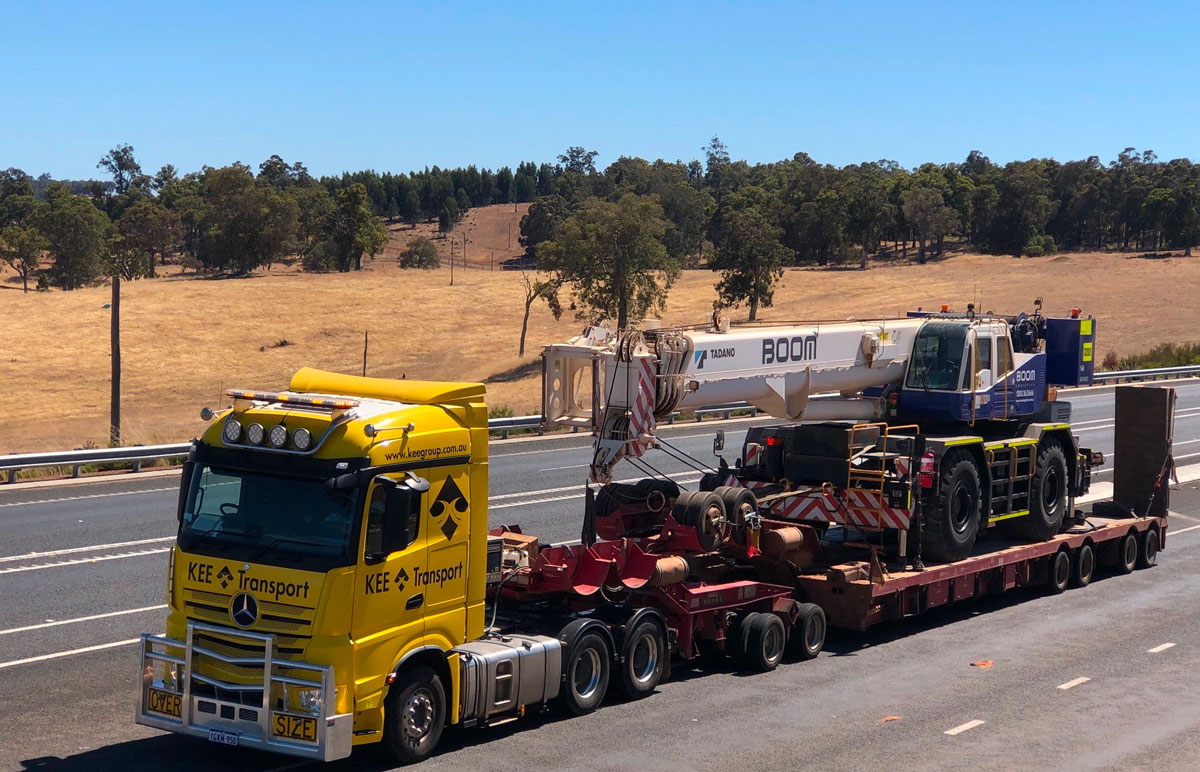
field services

Hiring the right grader for your project can make all the difference in achieving high-quality results. Whether you’re working on a large-scale construction site or a smaller landscaping job, ensuring your grader hire meets your specific project requirements is key to success.

Graders play a critical role in levelling surfaces and creating the smooth foundations necessary for further development. So, understanding what your project needs are and how you can match them with the right equipment is essential.

Selecting and maintaining the right grader can drastically influence the efficiency and outcome of your project. A well-matched machine can mean the difference between a job done right and one riddled with setbacks.

A faulty grader may lead to delays or additional costs, eroding the project’s profitability. Therefore, before any grader hire decisions, it’s important to recognise what each project demands and how specific graders can meet those needs.

Understanding Your Project Needs

When thinking about what your project requires, it helps to break down the tasks involved. Graders are used for everything from levelling soil to creating a base for roads. Knowing what you need can simplify your decision.

Ask yourself: What will the grader be handling? Is it soil, gravel, or a mix of materials? Will it be operated on a large commercial site, or are you focusing on a small-scale development? Understanding this helps you select a grader with the right capabilities.

Here’s a quick guide to common grader uses, which might help clarify your needs:

  • Levelling and Finishing: Graders are great for levelling terrain and creating smooth surfaces.
  • Cutting Ditches and Slopes: These machines are useful for creating ditches or gentle slopes, which might be needed for drainage.
  • Mixing Materials: They can help in mixing different materials on-site, ensuring a consistent base layer.

Once you’ve identified the type of work, consider the environmental conditions. A project in an urban setting could face tighter space constraints, requiring a smaller, more manoeuvrable grader. Meanwhile, projects in more open areas might benefit from a larger grader with a broader blade width for covering large spaces efficiently.

Understanding these aspects can make the grader selection much more straightforward. Getting this step right means the project will flow better, minimising disruptions and ensuring you achieve the desired quality in the job at hand.

Evaluating Equipment Specifications

Once you’ve figured out what your project needs, it’s time to delve into the specifics of your grader. Not all graders are created equal, and understanding the specs can help you avoid mismatches. Start with the blade width and length, as this directly affects the grader’s efficiency in handling your project’s scale. A wider blade might be great for large open spaces, but when it comes to precision work in tighter areas, a smaller, more agile grader could be advantageous.

Here’s a checklist for evaluating grader specs:

  • Blade Width and Length: Choose according to the size and type of your project.
  • Engine Power: Consider the power output needed to cover the terrain and materials you’ll be working with.
  • Operational Features: Look for features like GPS for precision grading or additional attachments that can aid different tasks.
  • Safety Systems: Check for the latest safety enhancements to protect both operators and site workers.

Matching these specifications with your project needs ensures you hire the best equipment for the job. This precision in selection can significantly boost your project’s efficiency and success.

Inspecting the Grader’s Condition

Before settling on a grader hire, physically inspecting its condition is vital. Start by walking around the machine to look out for any visible damage or wear. Check the tires for tread depth and any signs of damage. You don’t want a grader getting stuck or breaking down mid-task.

Next, dive into the maintenance records. A well-documented history can reassure you that the grader has been cared for and is unlikely to face sudden breakdowns. Listen for unusual noises when the grader is operating, which can indicate mechanical issues. Always take note of the hydraulic systems and any fittings prone to leaks, ensuring they’re in optimal condition. A clear inspection safeguards against unforeseen issues during your project.

Ensuring Operator Expertise

Hiring a grader isn’t just about the equipment; who’s operating it matters greatly as well. A skilled operator can make a huge difference in how smoothly and effectively your project progresses. Look for operators with verified credentials and proven experience in the relevant field. Don’t hesitate to inquire about their past projects and success stories.

When evaluating potential operators, consider:

  • Experience Level: Look for operators with several years of experience for complex projects.
  • Certifications: Verify that they hold the necessary certifications for operating heavy machinery.
  • References: Contact past employers to confirm their reliability and expertise.

A competent operator understands the equipment and can anticipate on-site challenges, adjusting their approach as needed for seamless operations.

Making the Right Choice for Your Project’s Success

By comprehending your project’s specific demands and choosing equipment specs and operators that fit these needs closely, you’re setting the foundation for success. It’s not just about finishing a project; it’s about completing it to a high standard and within the set timeframe.

Remember, a carefully chosen grader and a professional approach to hiring can steer your project away from costly hiccups and towards achieving the desired outcomes. Taking the time upfront to match your grader hire with your project needs pays off handsomely in the end.

For a streamlined experience with heavy machinery, consider our hire of a grader services. KEE Group is ready to provide reliable equipment that meets your project’s specific requirements. Whether levelling, ditching, or mixing, ensure your site runs smoothly with the right grader.

Critical Safety Checks for Wheel Loaders

vehicle hire

Safety is a big deal when it comes to working with heavy machinery, and wheel loaders are no exception. Before firing up these powerful machines, it’s helpful to understand the safety checks that keep operators and the site secure. Imagine trying to ride a bike with loose handlebars; you’d want to fix that before you take off, right? The same principle applies to wheel loaders. Regular checks make sure everything is in order, helping prevent accidents and malfunctions on the job site.

Hiring a wheel loader can make tasks on a construction or mining site more manageable. These machines are great for moving large piles and clearing areas swiftly. But, with great power comes the need for responsible handling. Safety checks are part of this responsibility, helping ensure that all equipment performs well and operators stay safe. Without them, even minor issues can become serious problems. Taking the time to perform these checks makes operations smoother and safer for everyone involved.

Pre-Operational Safety Checks

Before getting started with a wheel loader, a few necessary steps ensure everything is in good condition. Here’s a simple list to guide you:

  1. Visual Inspection: Start by looking over the entire machine for any signs of damage. Check the body, bucket, and other visible parts for cracks, rust, or wear that might cause problems.
  2. Fluid Levels: Ensure the wheel loader has the right amount of essential fluids. This includes oil, hydraulic fluid, and coolant. Without enough of these, the machine might not function correctly, leading to potential damage or downtime.
  3. Tire Check: Inspect the tires closely for any cuts or punctures. Make sure the air pressure is at the suitable level. Properly inflated tires are necessary for maintaining stability and performance on the job site.

Taking the time to go through these checks before using a wheel loader is like making sure your car is ready for a long trip. It’s a straightforward way to prevent mishaps and ensure the equipment runs smoothly when you need it most. By sticking to these simple but effective steps, safety becomes an integral part of each workday, helping projects proceed without unnecessary interruptions.

Operational Safety Measures

Once the pre-operational checks are complete, it’s time to focus on the operational side of things. This phase is about making sure the wheel loader is ready to roll and will perform as expected during its tasks. The following steps should be considered:

  1. Test Run: Begin with a short test drive to ensure that the loader moves smoothly and there are no unusual sounds or jerky motions. This helps to identify any hidden issues before the actual work begins.
  2. Check Controls: Pay attention to every control function on the loader. Each lever, switch, or button must respond as it should. If any control feels loose or unresponsive, it may require attention.
  3. Safety Signals: Make sure that all alarms, including backup signals, are functioning. These signals serve as an audible warning for those nearby, helping maintain a safe distance during operations.

By going through these measures, operators can confidently assess that the loader is fit for the job. These checks are a part of a routine that, when done regularly, supports a safer workplace and prevents unexpected issues from arising during operations.

Workplace Safety Procedures

With the loader ready to operate, it’s crucial to make sure that the work environment is also safe. Here are some procedures to follow:

  • Clear the Area: Before starting work, ensure the area is free of unnecessary personnel and obstacles that might interfere with operations. A clear space allows for better maneuverability and reduces the chance of accidents.
  • Communication Protocols: Establish clear communication channels with the team. Whether through hand signals or radios, make sure everyone can quickly share important information, especially in high-noise environments.
  • Respect Load Limits: Follow the manufacturer’s load capacity recommendations and stick to safe operation speeds. Overloading or moving too quickly can lead to accidents, putting both the machine and the operator at risk.

Adhering to these workplace practices helps create a culture of safety and responsibility. It’s about recognising that everyone plays a part in creating a secure environment, and these measures are steps in that direction.

Post-Operational Safety Steps

After the work is done, there are steps to ensure the loader is properly shut down and ready for its next use. This not only supports the longevity of the equipment but also ensures it’s safe for future operation.

  1. Final Inspection: Once the machine has stopped, take a few minutes to check it over for any new issues. Look for leaks, unusual noises, or wear that may have developed during use.
  2. Document Issues: If any problems are noticed, they should be documented and reported immediately. This prevents minor issues from escalating into more significant problems and ensures repairs are scheduled promptly.
  3. Secure the Loader: At the end of the day, make sure the loader is parked in a safe, designated area to deter unauthorized use. Locking it up is a simple step that adds an extra layer of security.

By incorporating these steps into regular practice, operators can contribute to a safer worksite and ensure the wheel loader maintains its performance and reliability for future tasks.

Staying Safe on the Job Site

Regular safety checks for wheel loaders are crucial in preventing accidents and maintaining the well-being of everyone involved in the operation. By focusing on pre-operational checks, operational measures, workplace procedures, and post-operation steps, you create a structured approach that enhances safety and efficiency.

By following these guidelines, your team will be better prepared to handle challenges on the job site, ensuring that every project proceeds smoothly and safely. Taking these actions seriously not only protects the equipment but also supports a positive work environment where safety is prioritised above all else.

To ensure your projects operate smoothly and safely, always prioritise safety checks and procedures. For reliable equipment solutions that make a difference, consider the hire of a wheel loader with KEE Group. With our expert support, you’re not only hiring a machine but a commitment to safety and efficiency.

Rollers for Softer Grounds: Efficient Solutions

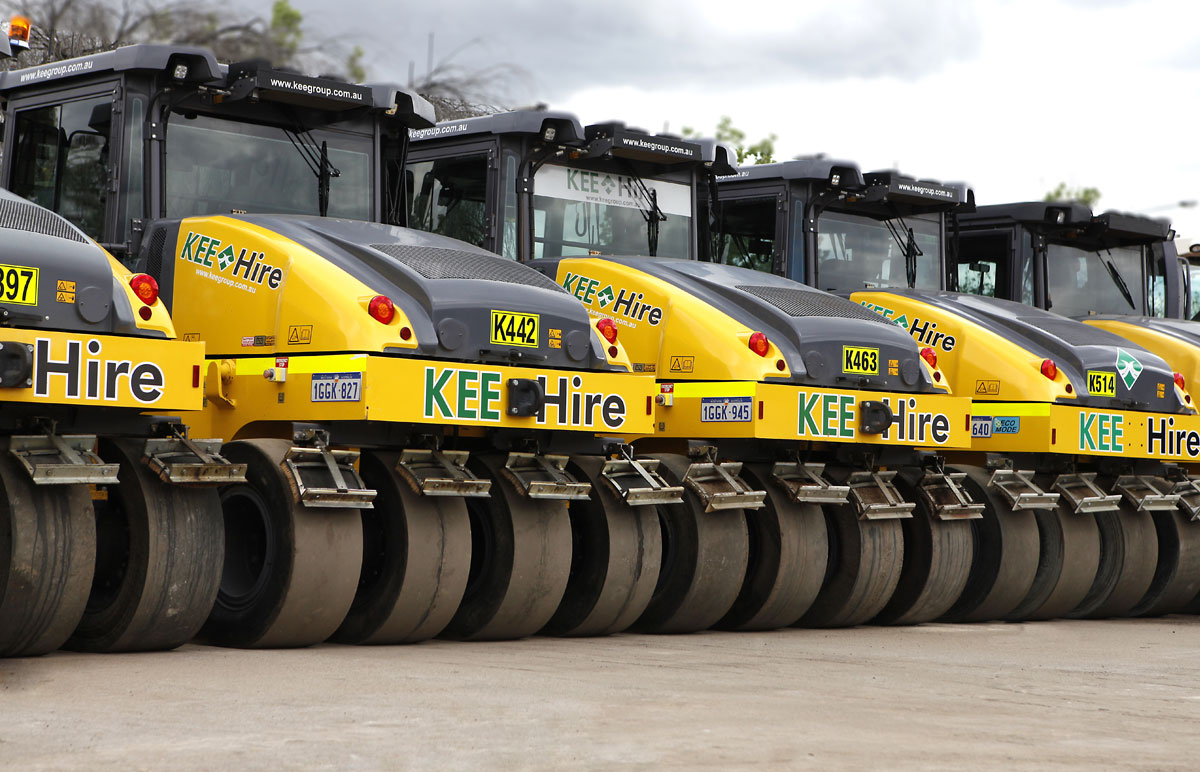
compaction for hire

Handling softer grounds can be likened to trying to spread butter on bread without tearing it apart. It’s tricky, requires finesse, and needs just the right tools. In construction and mining, ensuring the stability of softer grounds is crucial, and rollers play a significant role in this process. While the terrain itself might pose challenges, the solution often lies in choosing the appropriate equipment and approach to manage these challenges effectively.

Hiring rollers specifically designed for these conditions can transform the way projects are executed. With a hired roller, you gain access to the right machinery without the commitment of ownership, enabling you to adapt to different project needs. They offer the flexibility and efficiency needed to handle varying soil conditions, making them a smart choice for projects that encounter softer grounds.

Understanding Softer Grounds

Softer grounds refer to areas where the soil lacks the necessary compactness to support heavy construction or mining operations effectively. These can include clay-rich areas, marshlands, or sandy regions that tend to shift or compress under pressure. Such grounds can lead to uneven surfaces, unstable foundations, and delays in project timelines if not handled correctly.

Here are some challenges associated with softer grounds:

  • Poor Load Bearing: The ground may not withstand the weight of heavy machinery without sinking or causing surface instability.
  • Moisture Retention: High levels of moisture can make the ground slippery and harder to manage.
  • Inconsistent Compaction Levels: Varying degrees of compactness can result in uneven surfaces that compromise structural integrity.

This is where choosing the right equipment becomes critical. The appropriate roller can effectively compact the ground, enhance stability, and create a uniform surface. Rollers apply consistent pressure, assisting in removing air pockets and moisture content, thus improving the soil’s load-bearing capacity. They help make softer grounds more reliable and provide a safe and steady base for construction tasks.

Understanding the specific characteristics of the ground you’re working on is key to choosing the appropriate roller. By matching the roller type to the ground conditions, you ensure that the machinery you hire delivers the most effective results, saving time and resources while ensuring the continued progress of your project.

Choosing the Right Roller for Softer Grounds

When it comes to working on softer grounds, selecting the right roller is like picking the right shoes for a muddy hike. Different rollers serve different purposes, and knowing which type aligns with your project needs can make all the difference.

There are a few types of rollers you might consider:

  1. Smooth Drum Rollers: Ideal for clay and silty soils, these rollers provide a flat and even surface.
  2. Padfoot Rollers: Better for materials like gravel or crushed stone, these rollers help knead and compress deeper layers.
  3. Pneumatic Rollers: These use a series of rubber tires to help create a smooth and sealed surface, perfect for more intricate jobs on softer terrain.

Choosing depends on understanding the specific ground conditions. For example, if the ground is particularly wet and clumpy, a Padfoot Roller might be more effective, as it can offer deeper compaction. Meanwhile, for sandy soils, a Pneumatic Roller might ensure consistency across the surface. By aligning your choice with the terrain, you’ll ensure a more efficient and successful operation.

Techniques for Using Rollers on Soft Terrain

Once you’ve got the right roller, using it effectively is the next step. Here are some tips to help you get the job done smoothly:

  • Start Slow: Begin with gentle passes to avoid shifting or distorting the ground too soon.
  • Regular Overlap: Maintain consistent overlap on each pass to ensure uniform compaction.
  • Adapt to Conditions: If conditions change, such as unexpected rain, halt work to prevent damaging the ground or the equipment.

Avoiding pitfalls is crucial; rushing can lead to uneven surfaces or stuck machinery. Always keep an eye on moisture levels, as they can drastically alter how the soil behaves. Ensuring even compaction is about patience and precision, so allow the machinery to do its job without excessive force.

Learning to interpret ground conditions and responding accordingly can make the difference between a sturdy finish and a messy outcome. Approach the task with a balance of skill and the right equipment and soft grounds will soon transform into reliable surfaces ready for your project.

The Advantages of Hiring a Roller

Opting to hire a roller instead of buying one brings several advantages. When hiring, you gain access to the latest equipment without the need for a large upfront investment. This means you can always have the best tools suited for your specific project, reducing downtimes associated with equipment failure.

Additionally, hiring offers:

  • Cost Efficiency: Pay for the asset only when needed, freeing up capital for other areas of your project.
  • Access to Expert Maintenance: With hired equipment, regular maintenance and necessary repairs are typically included, ensuring the machinery remains in peak condition.
  • Flexibility: Each project can demand different types of rollers; hiring gives the flexibility to switch machinery as needed.

This approach provides peace of mind that the equipment involved is always in optimal working condition, and if any issues arise, solutions are just a phone call away.

As you work through your project, remember that quality results often stem from combining the right tools with the right strategy. Taking the steps to select suitable equipment and adopt effective techniques can significantly improve project outcomes on softer grounds.

When tackling projects on soft terrain, having access to the right equipment is key to overcoming challenges and achieving successful results. Explore the benefits of the hire of a roller with KEE Group to ensure you’re equipped with the best machinery for your specific needs. With our range of heavy machinery, you can handle any terrain confidently and efficiently.

Enquire today

Get a Quote today!

Please fill in your details and a KEE Hire team member will reach out to you very soon.

Alternatively, you can contact us via the details below:

contactus@keegroup.com.au

+61 8 6401 8500

"*" indicates required fields

MM slash DD slash YYYY

Our people are our greatest asset

KEE Group are growing fast and we are often looking for the right people to help us make it happen. If you would like to join our team and share in the excitement, get in touch today!

Join The Team