The Importance of Spray Sealed Roads

project equipment

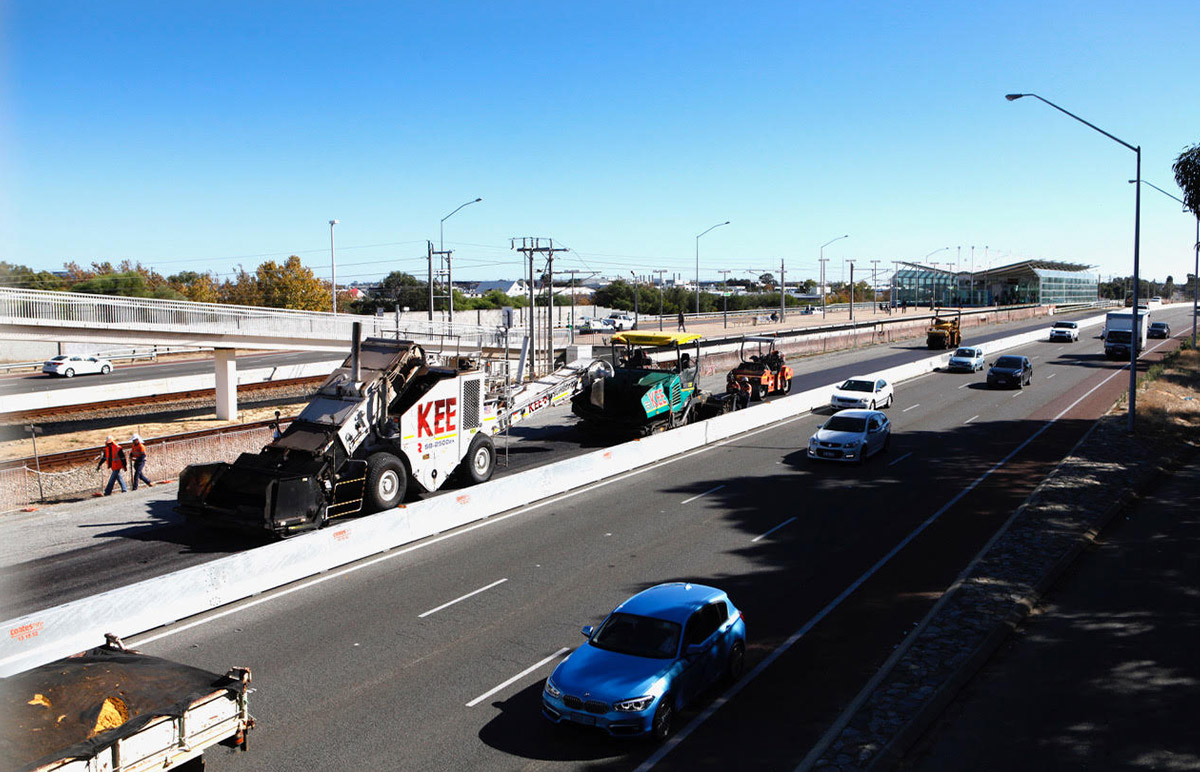
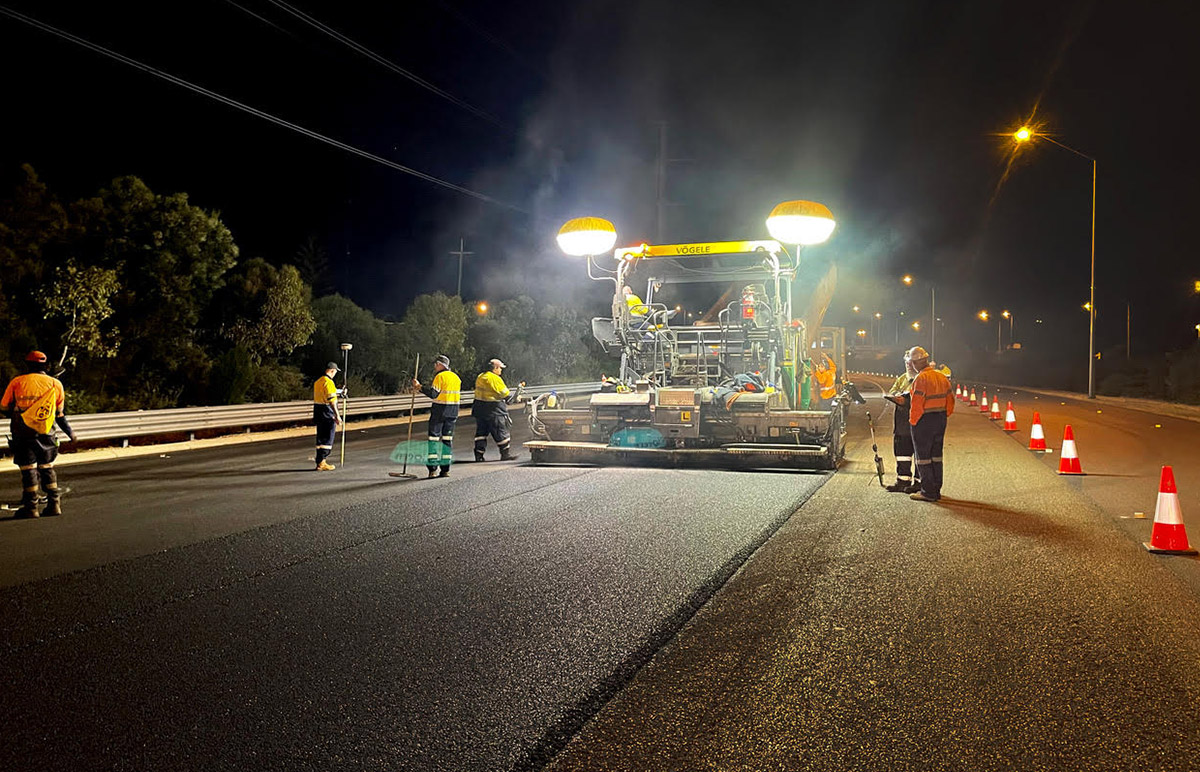
There are many ways to protect and enhance the performance of roads, and one of the best ways is by spray-sealing them. Basically, a spray seal would consist of a single layer of bitumen and is sprayed as a hot liquid and immediately followed by a layer of crushed aggregate.

It goes without saying that sprayed seals are an important element in the road system in Australia. Since Australia is sparsely populated within large distances, sealed roads are a necessity in low-cost road construction and maintenance techniques to help provide a network to connect neighbouring areas.

With that said, to ensure the roads are properly sealed, specific project equipment is used to protect and transform roads. Besides that, you must hire experienced contractors to ensure the roads are of the best quality.

An Important Element in Australia’s Road System

The Australian road system comprises 810,000km of roads, 330000 km of which have been surfaced with sprayed seals, concrete, or asphalt. With that, sprayed seals are actually the predominant choice for surfacing in different rural areas.

In that regard, sprayed seal areas account for 70 percent of all surfaced roads. By combining binders and aggregate, sprayed seals are held in place, allowing them to adhere to the underlying base and binder, rising and filling the space between the aggregates.

Where Can You Use Sprayed Seals?

There are different instances where sprayed seals can be incredibly beneficial. But of course, you must work with expert contractors since they will use the best products and project equipment to ensure the road systems are properly sealed for protection.

Here’s a list of where spray seals are ideal:

  • Protection for the road’s base due to water ingress
  • Protects a revitalised wearing surface
  • For minimal dust surfaces
  • For retardation of the deterioration of an existing road surface that has been showing signs of distress;
  • For restoration of the skid-resistance of an existing road surface

Why You Should Get Spray Sealed Roads

Spray seals are designed to help adhere and protect roads and work with an extensive range of traffic conditions. A single spray coat is sufficient for low-traffic roads, while two layers of a spray seal are best for heavy-traffic areas. Finally, three coats are best for heavy traffic areas with substantial volume.

A sprayed seal is a great maintenance measure for roads that suffer significant surface damage to keep the roads safe. A coat can easily revive the existing pavement surface, quickly restoring skid-resistance and waterproofing capabilities.

The Bottom Line: Enhancing the Surface of Roads, One Spray Seal at a Time

There’s no denying that the road systems in Australia need constant maintenance and improvement. Thankfully, spray seals can do an amazing job at enhancing and revitalising the functions of our road systems.

Of course, it’s a good idea to hire experienced contractors since they’ll use top-of-the-line project equipment and products to ensure all spray seal projects are carried out correctly.

How Can We Help You?

KEE Group is leading the way in technology as our spray seal team utilises fantastic project equipment—the first two SRE telescopic sprayers in the state. With our equipment, we can allow multiple application rates, enabling us to seal shoulders and wheels efficiently.

Need an expert team? Call us today!

IMAGE © Katharyn Quinn 2021
Australia Construction Equipment Trends in 2022 and Beyond

machinery hire in perth

According to Mordor Intelligence, the Australian construction machinery market’s value in 2020 was a staggering USD 2381.45 million. Experts predict it to reach USD 2981.24 million in 2026 with a CAGR of 3.35 percent during the forecast period of 2021-2026. COVID-19 has undoubtedly negatively influenced the market as the government enforced strict lockdown measures, effectively halting economic, construction, and transportation activities.

Luckily, once the government allowed some relaxation in lockdown regulations, activities resumed their momentum, with demand reinvigorating the market. The Australian construction machinery market has changed, with changes in oil prices, rising government investment in developing infrastructures, economic growth, grey markets, and more. Here are some of the key market trends the industry is expected to experience in 2022 and beyond:

Increasing Infrastructure Development

The Australian government and the private sector have vastly increased their infrastructure spending, resulting in a higher demand for machinery and equipment in the construction industry. The Australian Bureau of Statistics has also noted a consistent gradual increase in residential building construction activity in the country.

While the pandemic has caused a mild slowdown in the construction industry, the increased infrastructure development in the country is expected to provide abundant opportunities to manufacturers. Australia is also witnessing unprecedented levels of foreign direct investment in construction.

The government has fuelled more initiatives to accelerate infrastructure development, thereby vastly boosting the demand for construction machinery hire. In May 2021, the government added USD 11.3 billion for infrastructure projects in its Federal Budget, including more funding to facilitate 15 early-stage investment opportunities.

In fact, in December 2020, 100,865 new construction units were registered, showing a 19.4 percent year-on-year increase from 2019. With these statistics, it’s clear that the construction industry is expected to have excellent growth potential in the next few years.

Sharp Leap in Demand for Dump Truck Hire

During the forecast period, dump trucks are anticipated to possess the largest market share in the construction machinery market. One of the prevalent trends in the market is the automation of dump trucks, mainly as concerns over safety and operating efficiency are on the rise for the mining industry.

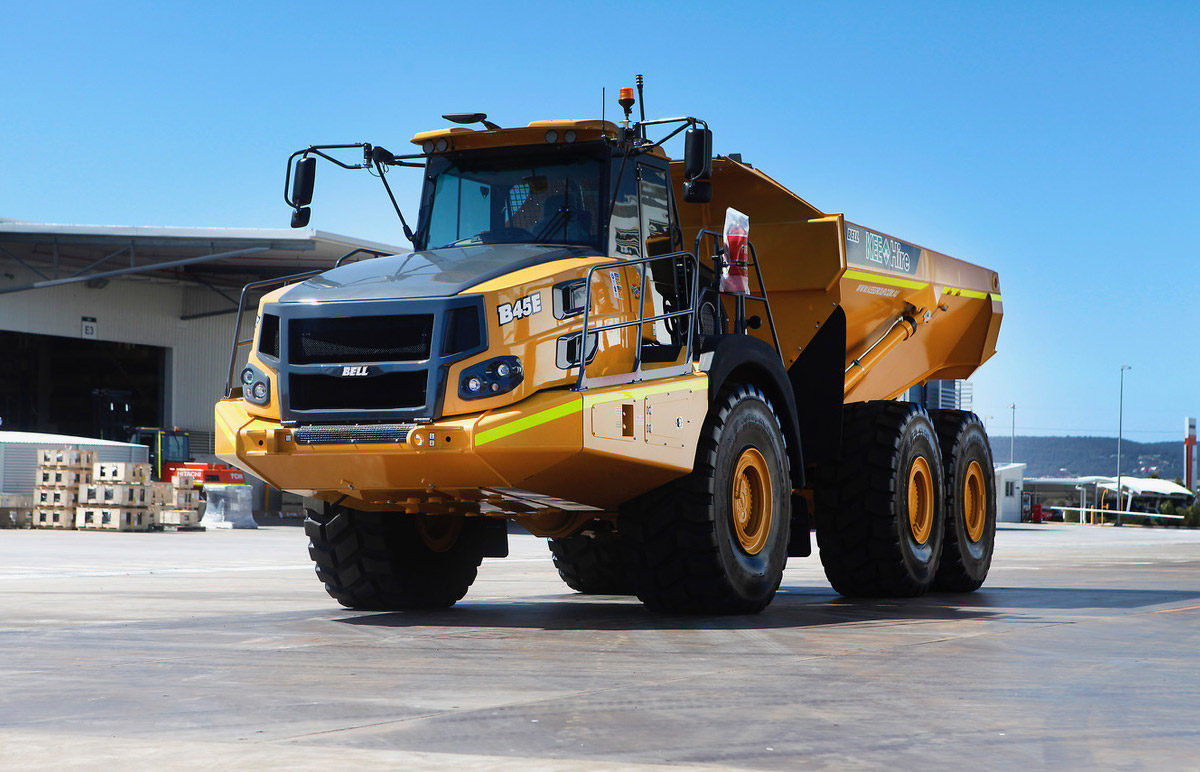
Nearly every construction site needs dump trucks. While they have limited functions, they perform the essential task of efficiently moving and dumping various materials the construction site needs. These trucks are available in multiple sizes, capacities, and load needs. Following the skyrocketing demand, many manufacturers have begun rolling out new products to take advantage of the market.

For instance, in March 2020, Komatsu rolled out the 230T capacity dump truck in Australia. This dump truck uses a Cummins QSK60 diesel engine with a horsepower of 2,500. Stricter emission standards have also led to the increase in demand for electric dump trucks. Many companies have pivoted to meet this demand by offering dump truck hire in Perth to make it easier for customers to get what they need for their construction projects. These services do away with the need to cover maintenance costs and the upfront investment previously required to use a dump truck, which means growth in rental firms will negatively affect this segment’s growth.

Conclusion

The Australian construction industry is booming on the heels of the pandemic, with much more optimistic prospects on the horizon for everyone involved. With these trends expected to occur in 2022 beyond, Australia will welcome a new age in infrastructure.

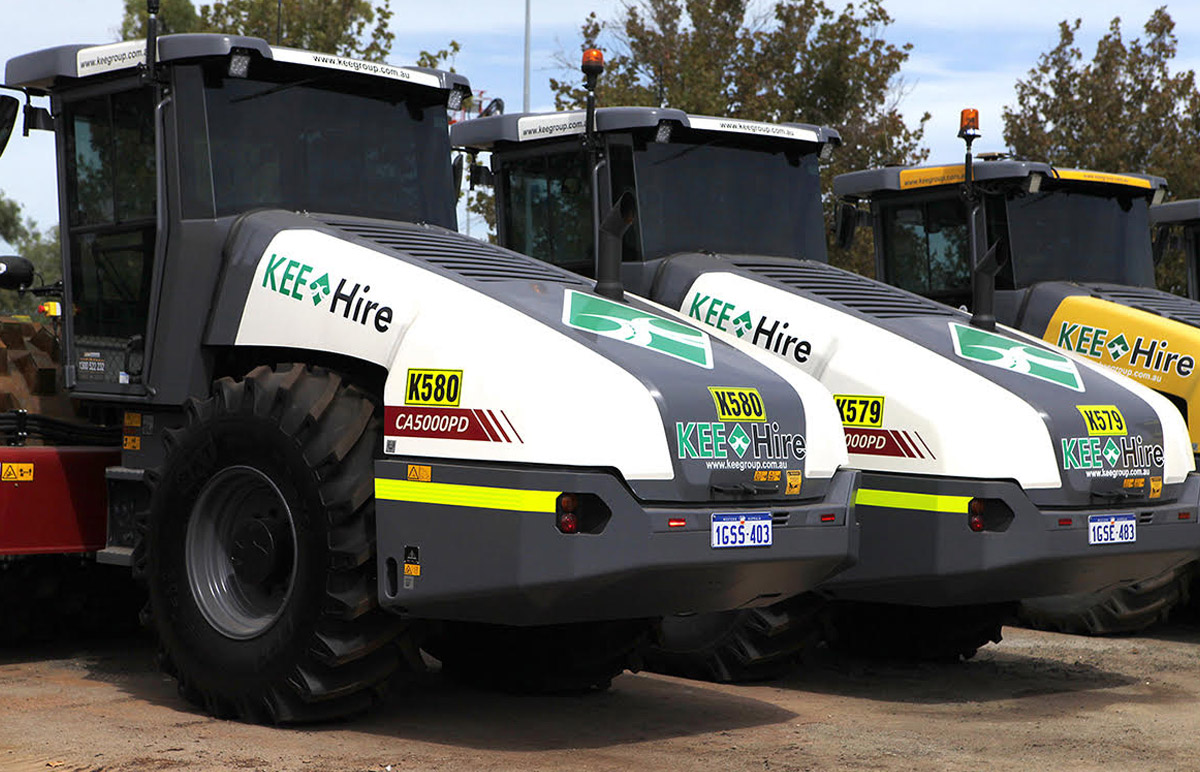
KEE Hire is the most trusted hire company by the most prominent civil, mining, and infrastructure project managers in Western Australia. We specialize in dump truck, roller, and machinery hire in Perth to meet all your equipment needs. Call our team today to find out what we can do for your project!

IMAGE © Katharyn Quinn 2021

Robots in Construction: What to Know

The construction industry has come a long way from using simple tools and materials in its humble beginnings. One of the key factors that fuelled the growth of the construction industry is its ability to adapt. Because of the continuing shortage in labour, and with social and physical distancing protocols in place, the industry has been forced to adapt to these conditions.

Luckily, technology has risen to the occasion and provided a viable solution: Construction robots. While this may sound like something right out of a sci-fi movie, there are robots in construction in service today, as we speak! This article will shed some light on construction robots and how they fit into the construction industry. We even have our very own Claybot roaming the offices here in Perth!

Robots in Construction: What to Know

Construction robots are automated machines that help make the construction process easier. Unfortunately, because many sci-fi movies portray robots as evil machines that want to rule the world, the fear of them may be somewhat understandable. However, when one sees these robots in action, they will quickly realize that this technology was designed to improve jobs and not take them away from workers.

Four Main Types of Construction Robots

There are four main types of construction robots. Here is a rundown of what they are and how they have impacted the industry:

1 – Drones

The use of drones in construction makes it quick and easy to assess the safety and progress of a given project. Drones will allow a construction team a literal bird’s eye view of the project, how far it is coming along, and if there are any unexpected obstacles that might not have been seen earlier. Drones make it possible to remotely monitor and inspect a worksite by contractors who are not physically present. Also, drones are capable of making detailed aerial maps of the sites. These maps may be used in the 3D mapping of the area.

2 – Industrial Robots

Many types of industrial robots exist and continue to be developed today. In construction, these robots may help build parts of the building more quickly and efficiently. These robots may be controlled from a distance, making it safe for the human work crew to handle construction tasks for high-rise construction projects from a safe place.

3 – Self-Driving Construction Vehicles

Self-driving vehicles will eliminate the risk of human error, especially in high-traffic areas where construction needs to be done on a busy street. These vehicles will make it safe for workers to go about their specific tasks without the risk of getting injured.

4 – Demolition Robots

Demolition robots may be controlled from a safe distance. Condemned buildings that need to be taken down will be demolished much more quickly and safely because of these machines.

Conclusion

Robotic technology may change the face of the world of construction, in the hands of a skilled crew, the sky’s the limit as to what they can accomplish. This is why it is essential to hire only the best quality construction machines from a reliable machine hire company.

Should you need to hire construction machines for your next big build, come to KEE Group! We are Australia’s most effective and unique civil and mining support service. Let us help you hire equipment for your project today!

Photo: chapelstreet.com

An Introduction to CleanSpace Technology

field support services

No matter what kind of construction project your team is working on, personal protective equipment (PPE) is always a must-have. One of the most important PPE equipment is respiratory protective equipment, as its main job is to ensure dangerous particles are not breathed in and stay out of the wearer’s lungs. This specific piece of equipment is used in most, if not all, construction projects simply because all sorts of activities kick up harmful dust that can hurt one’s respiratory system.

While there are many respirators out there that can provide some form of protection against these hazards, none come quite as close to CleanSpace Technology’s respirators.

Here’s why you should opt for CleanSpace Technology respirators for your construction workers:

1. They’re Comfortable

One issue many workers have with many of the respirators today is that they’re uncomfortable. This can be quite concerning simply because, more often than not, workers must wear this equipment for many hours. If they are uncomfortable, not only is it distracting the worker from doing the job properly, but it might also force them to remove the respirator in an attempt to relieve themselves of the uncomfortable mask.

These two issues aren’t what you want your workers to experience, and that’s why CleanSpace Technology respirators are incredible. Not only do they offer the highest level of protection, but they are also incredibly comfortable. They’re super light, weighing less than 500 grams, and are built with soft silicone to ensure a proper, comfortable seal around the nose and mouth.

2. They’re Simple to Use

Another issue with respirators today is that they’re heavy, but not because of the mask itself. There’s a lot to be carried on, such as hoses, belts, and waist-mounted battery packs. To make things worse, many of these respirators aren’t easy to kick start either. This can be a hassle for workers, and all these extra things to wear can make work much more cumbersome.

CleanSpace Technology respirators fix this by removing all the belts, hoses, and waist-mounted packs. Instead, they offer everything into a simple one-button system that can easily be worn on the head! Plus, with 8 hours of run-time, there’s no worry about running out of fresh, clean air anytime soon.

3. They’re Incredibly Durable

Subject to such harsh environments, workers expect their respirators to work flawlessly, no matter the condition. Unfortunately, with so many respirators using cheap parts and a lot of them, the chances of a respirator failing to work properly are too high for comfort. This is a risk that no one ever wants to face, let alone think about at all.

Fortunately, this is a problem that workers do not have to worry about when using CleanSpace Technology respirators. This is because the respirator’s design and manufacturing process is ISO9001 accredited. This accreditation proves that CleanSpace Technology only works with the highest standards of quality and reliability. Pair that with their two-year warranty on their respirators, workers can enjoy peace of mind knowing that the CleanSpace Technology respirator they’re wearing will fully function.

Conclusion

Simply put, CleanSpace Technology’s respirator is designed to maximise workers’ comfort, safety, and productivity—three factors all workers want to enjoy when working in construction environments. If you have yet to invest in such respirators for your team of workers, we highly recommend that you do so. Your worker’s safety must and always will be your priority, and PPE like such a respirator will only ensure that your workers can work safe and sound. This enables them to complete projects on time and deliver the best results to keep you and your clients happy.

KEE Group is Australia’s most effective and unique civil and mining support service, offering four services that cover hire, surfacing, transport, and fuel to meet any needs. If you are looking to work with professional field support services to bring success to your construction projects, work with us today!

Is Modular Construction the Future?

construction hire

A common construction practice today is to build something to last. There’s a drawback with this emphasis on longevity or permanence. Permanent constructions often end up creating huge volumes of trash due to destruction or abandonment in our ever-changing environment. In fact, it is predicted that worldwide building waste will reach more than two billion tonnes per year by 2025.

As a result, modular construction, a sustainable building style that goes back to the 1800s, is regaining popularity. It offers a more sustainable, practical and flexible way to live, especially in this highly mobile world we live in.

What Is Modular Construction and How Does It Work?

Modular construction provides an economical and sustainable way to construct for both big and small projects. It is a newer technique of creating structures and might be challenging to finance due to the limited customisability of modules and the need for storage and transport.

But since it is becoming more prevalent, all these setbacks are not as big as a challenge today. The modular construction method is comparable to building LEGO kits. Several prefabricated buildings are delivered and assembled on-site and stacked end-to-end or one on top of the other. To create a single structure.

Due to its ease of disassembly and reuse, modular construction may lead to exponential increasing proficiency in the building industry. This idea isn’t new, but new technologies, economic forces, and shifting mindsets are reviving it.

While modular construction has certain drawbacks, it is gaining popularity because of its many benefits. We’re going to go through the most important ones below:

1/ Eco-Friendly and Sustainable

Modular construction saves resources and energy and enables the recycling of modules, reducing waste production. Because most work is done off-site, the impact on the site environment is reduced. Planning can decrease the number of vehicles and equipment needed on the job site.

Modular buildings can also be safer for employees. Indoor construction reduces the danger of accidents, environmental risks and other liabilities. Materials are also kept secure, which reduces the possibility of theft and vandalism.

2/ Adaptable and Flexible

Although modular buildings cannot be transported, modules may be removed and relocated or refurbished and reused. A new building takes less time and effort than a new one.

Modular construction is helpful for both new construction and extending or expanding existing structures. This flexibility has been shown to aid in high-rise construction and home modifications.

Module sizes may be limited due to transportation and manufacturing restrictions, restricting structural design. Modular buildings may be built indefinitely with the help of great architects and designers.

3/ More Affordable

The industrial setting of the modular building process is a more regulated environment than on a real site. Better material planning minimises material excess. It reduces storage costs and material loss due to damage or theft. Furthermore, the benefits of modular construction in terms of time savings translate into cheaper costs. You reduce labour hours and personnel expenses by building without weather limitations and doing on-site and off-site work simultaneously.

For projects in remote towns or areas experiencing a construction boom, you can potentially save money by avoiding travel expenses.

4/ Improved Quality Control

Modules are built in climate-controlled facilities utilising precise equipment and techniques, built from plans with exact material and construction requirements. As a consequence, the finished structure matches the design.

Modular buildings demand more initial maintenance than traditional ones. Considering this, each module must be strengthened to meet construction regulations. Site-built structures can be better than modular buildings if the components are stronger.

5/ Faster Construction

Modular construction allows you to manufacture modules in a factory while also doing site and foundation work. Simultaneous work can save project time in half.

Also, most of the building is done within a facility, reducing weather, theft and vandalism delays, and a faster occupancy provides a quicker return on investment.

Conclusion

Modular construction is currently thriving, and with the construction tech sector expected to surpass $1 billion by 2020, it will inevitably overtake traditional building methods.

As the construction industry faces rising challenges such as efficiency, labour shortages and environmental effect, there is a growing shift away from conventional building techniques and toward modular construction and other modern building technologies.

Numerous companies offer quicker comparable services to KEE Group, but none offer them as a whole package or with the same degree of honesty, dependability and expertise. Not only can KEE provide the machinery to assist with your construction needs, we can also transport the modules to site.

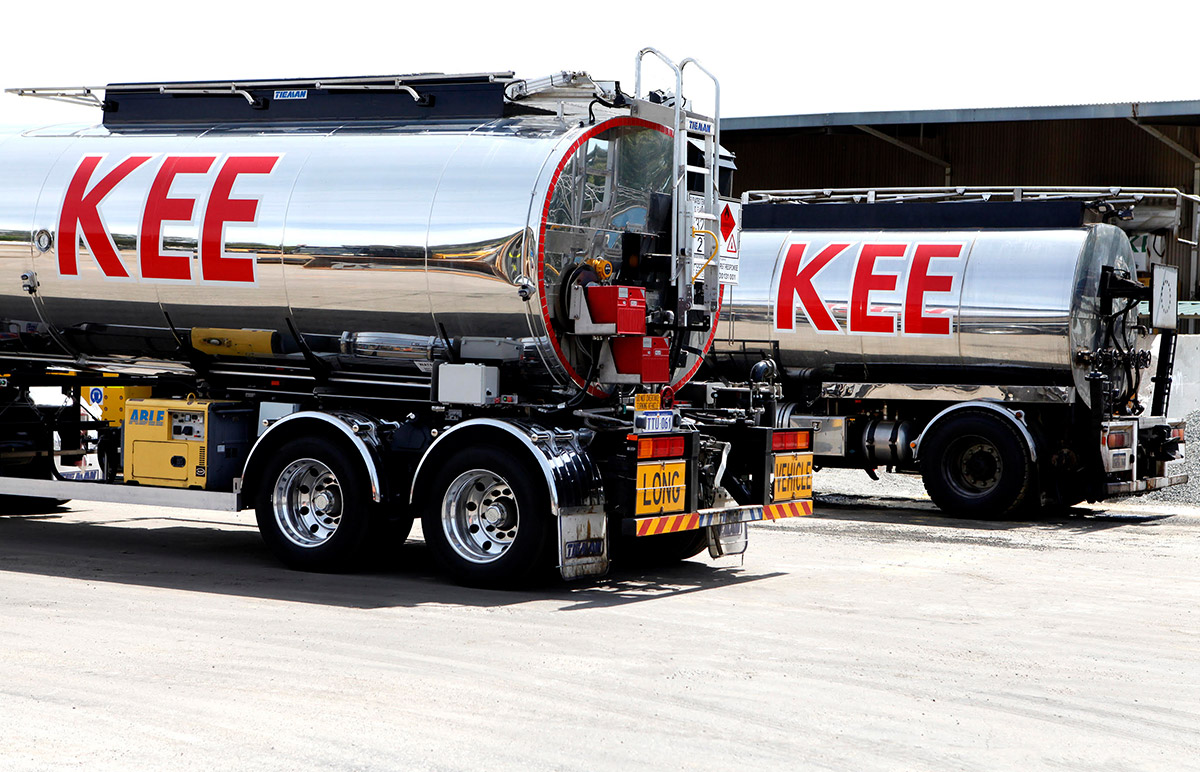
We utilise the industry’s best and brightest to deploy the highest possible quality solutions like construction hire, surfacing, transport, equipment hire and more, enabling our clients to efficiently and safely achieve their goals. Contact us today at +61864018500. We service the whole of WA and have offices in Perth, Albany and Port Hedland, Australia.

IMAGE © Katharyn Quinn 2021

How Technology is Revolutionizing the Surfacing Industry

construction hire

Modern road engineering has always focused on two things—providing a visual reference for vehicles travelling a path and ensuring the mechanical integrity of those vehicles. Today, though, the transportation industry is changing. Technology is innovating everything about surfacing, from the materials and construction methods used to the reasons we create roads in the first place. Keep reading to know more about the role of tech in this industry.

Reducing the Environmental Footprint of Roads

The cement industry contributes eight percent of annual global carbon dioxide emissions, which is not surprising since concrete is the second most widely-used material in the world after water. Reducing carbon emissions is a primary goal for engineers and technicians; manufacturers are constantly researching ways to make these materials more environmentally friendly.

Australia is one of the countries contributing to research in the reduction of emissions in surfacing technology. In particular, Australia has led the way in the application of geopolymer concrete, which contributes little to no CO2 emissions.

According to the Australian think tank Beyond Zero Emissions, pavements and roads in Victoria, including parts of the Westgate Freeway, are now made of geopolymer concrete. In the future, hopefully, more states and areas will follow suit.

Reducing Noise Pollution on the Road

Noise pollution contributes significantly to stress of those who have to listen to it. It leads to increased heart rates and blood pressure, and it can also affect people’s concentration. Road noise can also bring property prices and values down.

Reducing noise pollution, even by just three decibels, can make a world of difference. In Australia-based trial runs of noise-reducing hot-mix asphalt, researchers found that traffic noise levels went down by as much as 35 percent.

This reduction is because this type of asphalt uses crumb rubber and modified polymer binders. Polymers make the material more porous, helping it absorb sound.

Roads as a Source of Electricity

In an exciting move, innovative product designers are considering streets as a potential component in creating complex energy grids. Australia has the world’s ninth-largest road network—it has 356,000 kilometres of paved roads, and the country’s Highway 1 is the world’s longest national highway.

These thousands of kilometres of road surface can be used to harness the sun’s energy and researchers and technicians are looking into creating electricity-generating solar panels for roads.

Sprayed Seals for High-Traffic Roads

Roads carry several thousand vehicles in a day. In Australia, there were 20.1 million registered motor vehicles as of January 2021, a 1.7 percent increase from the previous year. The country’s road system has approximately 810,000 kilometres of roads, and 330,000 kilometres of these have sprayed seals.

Sprayed seals are thin layers of bitumen and aggregate sprayed on pavements and road surfaces. This surface treatment is necessary for countries like Australia and New Zealand, and sparsely populated countries with large distances between cities and population centres.

KEE leads the way in spray sealing technology; our spray seal team is equipped with the first two Specialist Roading Equipment (SRE) telescoping sprayers in Western Australia. These sprayers have variable spray bars, enabling multiple application rates in a single run. This feature makes it easier for engineers to seal wheel paths and shoulders.

Conclusion

The surfacing industry is changing because of technological innovations. From reducing noise pollution and carbon emissions to ensuring the longevity of surfacing and roads, engineers and scientists keep devising new, efficient, and convenient methods of moving from Point A to Point B.

Every major road project in Perth has had KEE Surfacing as one of its partners. Our surfacing and construction hire workforce consists of bitumen and asphalt laying professionals, hand-picked for their skills, experience, and knowledge in delivering safe yet cutting-edge techniques. Contact us today for enquiries!

Enquire today

Get a Quote today!

Please fill in your details and a KEE Hire team member will reach out to you very soon.

Alternatively, you can contact us via the details below:

contactus@keegroup.com.au

+61 8 6401 8500

"*" indicates required fields

DD slash MM slash YYYY

Our people are our greatest asset

KEE Group are growing fast and we are often looking for the right people to help us make it happen. If you would like to join our team and share in the excitement, get in touch today!

Join The Team