Ask These Questions When Choosing a Plant Hire Company

rent equipment in Perth

Carrying out a project or performing business operations does not mean spending a lot of money on procuring heavy machinery. You can accomplish the things you need to by renting equipment from a professional plant hire company.

There are many advantages to hiring equipment instead of buying it. First of all, buying means significant capital expenses. Plant hire costs are obviously much lower than buying outright. What’s more, you don’t need to worry about repair and maintenance costs since you’re hiring.

Renting equipment also saves time and money. If you do not use specific tools or vehicles regularly, it is more efficient for you to rent them. The cost you have to put into renting might also be tax-deductible, which means even more savings for your company. Some plant hire services also have the capacity for on-site maintenance. You can call them if you find issues with their machines, and they can go to you and see what is wrong.

In hiring heavy equipment, you need to have a step-by-step process. You cannot go out and rent the first tool or vehicle that looks like it could do the job. Here are things to remember when evaluating plant hire services.

How Much Equipment Do They Have for Hire?

It is always better to rent equipment from specialised plant hire companies. Speak with an expert to know if the equipment you need for your project is available—the company you want to partner with should have various equipment and attachments to provide you with the best one for your needs. Large-scale plant hire companies will have hundreds of units for hire, so you have a wide variety of brands and models to consider.

How Old Are the Units They Have for Hire?

You must also consider the age of the equipment you want to rent. It is crucial to discuss the equipment’s age with the professionals—don’t hire the really old machines. Older units mean a higher chance of mechanical failure. To avoid dealing with delays from parts breaking down, look for machines that are two to five years old. Also, consider hiring from companies that provide insurance coverage on their vehicles. If you find issues in these units, the plant hire company can claim the insurance for repairs.

How Soon Can They Deliver the Equipment?

Also, you need to know when they will dispatch the equipment. You should be aware of delivery times, conditions for delivering, and other matters. If you need immediate delivery, you should inform the plant hire company. Some offer next-day delivery, but you must clarify with them that you prefer this for the equipment you’re hiring. If you aren’t on the same page regarding delivery times, it might cause delays right at the start of the project.
Some companies might have machines on display at the front of their yard, and one would assume they are ready to go. But you would be surprised at how often this is not the case. With B-Team outfits, they often wait until the machine is booked to be hired before they bother to fix it!

Do They Offer Support to Their Renters?

Having the equipment you need for a project is one thing—getting the service support you need is another. The company you rent your tools and vehicles from should offer support while their equipment is with you. For instance, they should provide repair and maintenance services. You don’t need to pay more for machine maintenance—the plant hire company’s engineers should be able to repair and maintain these machines on-site, or supply a new unit.

Conclusion

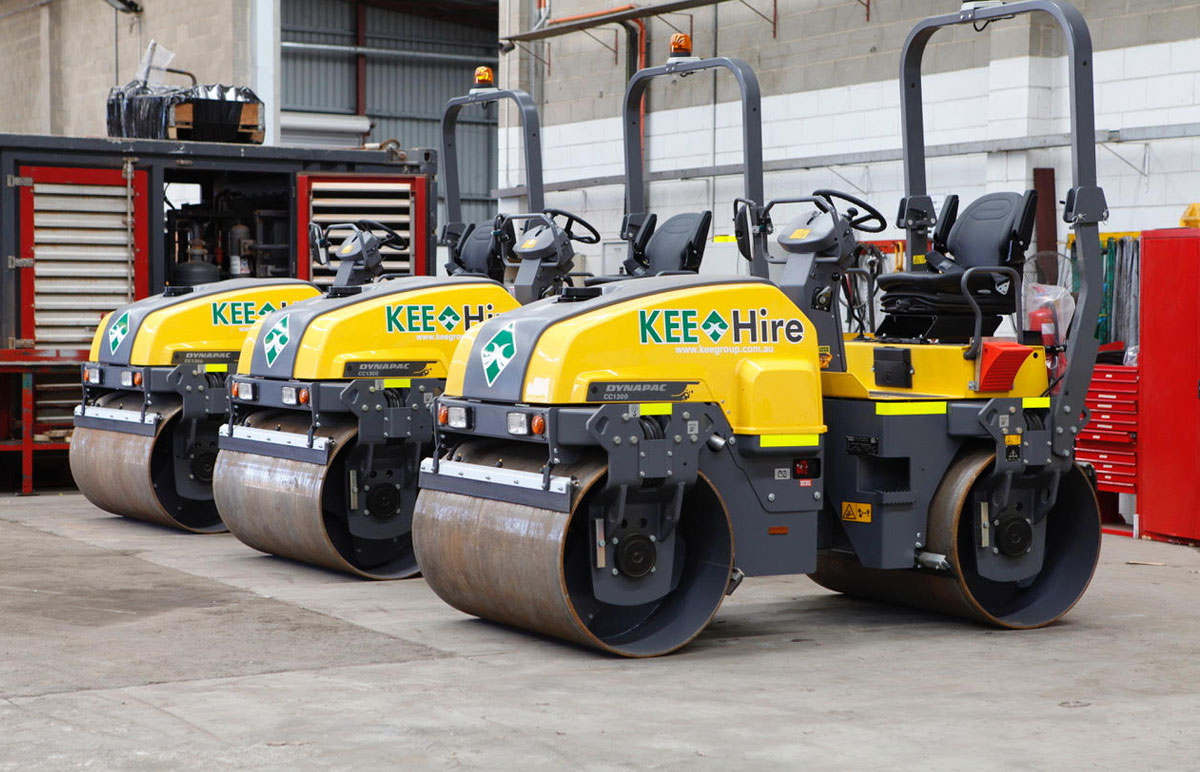
Renting equipment for a short-term project is often the best route, especially for companies that only need to use machines like excavators, smooth-drum rollers, multi-tyre rollers, or dump trucks for a one-off project. Finding the best company to rent from involves a little research. Generally speaking, though, you want to hire from a place that ensures it has up-to-date equipment, streamlined processes, and a robust support system for its renters.

At KEE Group, you’re sure to get top-notch equipment and service. You can rent equipment in Perth from KEE Hire, the hire company of choice for Western Australia’s largest infrastructure projects. We also have KEE Transport, our truck hire and haulage solutions arm, which covers the whole of Australia and can transport your hired equipment to site. Get in touch today for enquiries!

How to Return Your Dry Hire Equipment

transport equipment for hire

In any project, hiring additional equipment to speed up its completion is essential. You can either opt for dry hire equipment (machine only) or wet hire equipment (machine and operator), depending on your budget and needs. While dry hire is the cheaper option, you do need to consider how you will take care of the equipment during its use in the project.

If you want to make sure you return the project equipment properly, consider following this checklist we’ve made for you.

Checklist for Returning Dry Hire Equipment

Hiring specialised equipment like rollers, wheel loaders, excavators, dozers, and dump trucks requires extra respect and consideration. It would be prudent to make sure that you only let people with proven skills and experience to handle the machines. Failing to do this means you risk damaging the equipment in the hands of someone unfamiliar with the machinery. To avoid getting charged for additional repair and maintenance fees, use this checklist:

1. Check All Documentation

Each equipment hire usually comes with a document pouch where you can find all the necessary paperwork to run it. Included in the paperwork will be registration papers, risk assessments, do’s and don’ts before use, and service history. It’s important to read and understand these documents before operating the equipment. They should also be returned in their document pouch when you return the equipment to the owner.

2. Perform a Final Inspection

When you hire a machine in good condition, it’s only logical and respectful to return it in the same condition as before. Doing a thorough inspection before, during, and after using the machine is important and wise. As an added measure, it’s best to give it a final go-over before returning it. Follow this checklist to make sure you checked everything:

  • Make sure that the machine is secured, including all the nuts and tyres. Everything should be tightly secured and the tyres should be at the correct pressure.
  • Check if all the lights are functioning properly.
  • The engine should be in good shape and working properly, exactly as when you first used the machine.
  • When inspecting the tyres, make sure that they do not have splits or punctures, and that all bolts are still visible on each wheel.
  • The brakes should be working perfectly.
  • Checking the bucket teeth or other accessories (if included) for any cracks or damage is also important.
  • Make sure to refill the fuel tank unless the owner specified otherwise.
  • The machine’s cabin should also be clean without any traces of debris or rubbish from the worksite. All controls should also work, and no signs of internal damage should be spotted.

3. Clean the Equipment First

Whenever you hire equipment, it’s considered good etiquette to clean or wash the equipment thoroughly immediately after using it. This prevents dirt build-up and can even protect the equipment from being damaged while at work. Worksites are expected to be muddy and full of debris, so it’s best to give the equipment a good wash when appropriate. The owner will also appreciate seeing their equipment looking as clean as it was when it was hired out, and will be more inclined to hire machinery to you again in the future.

Conclusion

The benefits of dry hiring are that it’s a relatively more cost-effective solution, but it has more responsibilities in handling the machines. If you’ve done your maths and decided dry-hiring is the best option for your particular project, you must consider how to keep the equipment in good working condition until you return it to the owner. By following this checklist, you won’t have to worry about returning your dry hire equipment.

KEE Group has been Australia’s most effective unique civil and mining support service for over a decade. Not only can we transport the machinery to the site, but we can also supply it, fuel it, service it and operate it. Take advantage of our excellent service whenever and wherever you need it. Contact us if you need transport equipment for hire on your next project.

3 Reasons to Entrust Oversized Loads to a Transport Company

transport company

With the logistics industry becoming intensely competitive, many businesses have tried to save money by placing oversized loads on cheap transport solutions. Unfortunately, this DIY attitude puts a lot of risk on the company and can end up costing more money than what was saved.

Some businesses simply do not have the budget to invest in quality transport solutions. You may be torn between opting for the cheapest logistics company versus a quality one.

This article will tackle the difficult subject of logistics companies and what kind you should work with. More specifically, we want to share the amazing benefits of working with a trustworthy and quality logistics service provider versus a small budget operation.

1. You can trust that your equipment will be safe

The biggest factor you must sacrifice when opting for cheap logistic companies is safety. This is because, to cut down costs, these companies give up on training programs and safety standards. All of these take money and time to implement properly, and they can be quite expensive for the company.

However, reputable companies know that safety must always be number one. Such businesses do not mind investing plenty of time and money in the appropriate safety measures to ensure that oversized loads are transported from point A to point B safely.

2. You can bet that the company takes care of you

It is not only the fact that cost-cutting companies are only out there looking for money. They will do whatever it takes to transport your loads despite the risks or challenges they may face. This puts oversized loads at incredible risk of damage and other issues, which can prove costly at your end.

A trustworthy company understands that your business is their business. As such, they treat oversized loads with the utmost care, ensuring the right procedures are followed to transport your products safely.

3. You will gain access to reliable customer service

One of the biggest pitfalls of cheap transport companies is the lack of customer service. If you have issues, chances are customer services will either ignore what you have to say or take you forever to reach them.

Quality transport companies realise that customer service is another important part of the service. They want to make sure their clients are happy. They want to fight for their well-earned reputation. And for you, this means unrivalled support to keep you on top of what is going on at all times.

Conclusion

Despite the bigger investment required to hire quality transport companies, for peace of mind, it is absolutely worth it. Nothing beats working with a company that puts your needs first, ensuring your oversized loads make it to their destination safely and quickly. With that in mind, do take the time to study the companies you want to work with. Ensure they offer the services you need, and negotiate with them to get the best deals.

KEE Group is Australia’s premier civil and mining support service, offering high-quality and effective services to help businesses operate without fault. If you are looking for unrivalled logistical support, reach out to us today!

Loader for Hire: Our Simple Overview on Low Loader Trailers

loader for hire

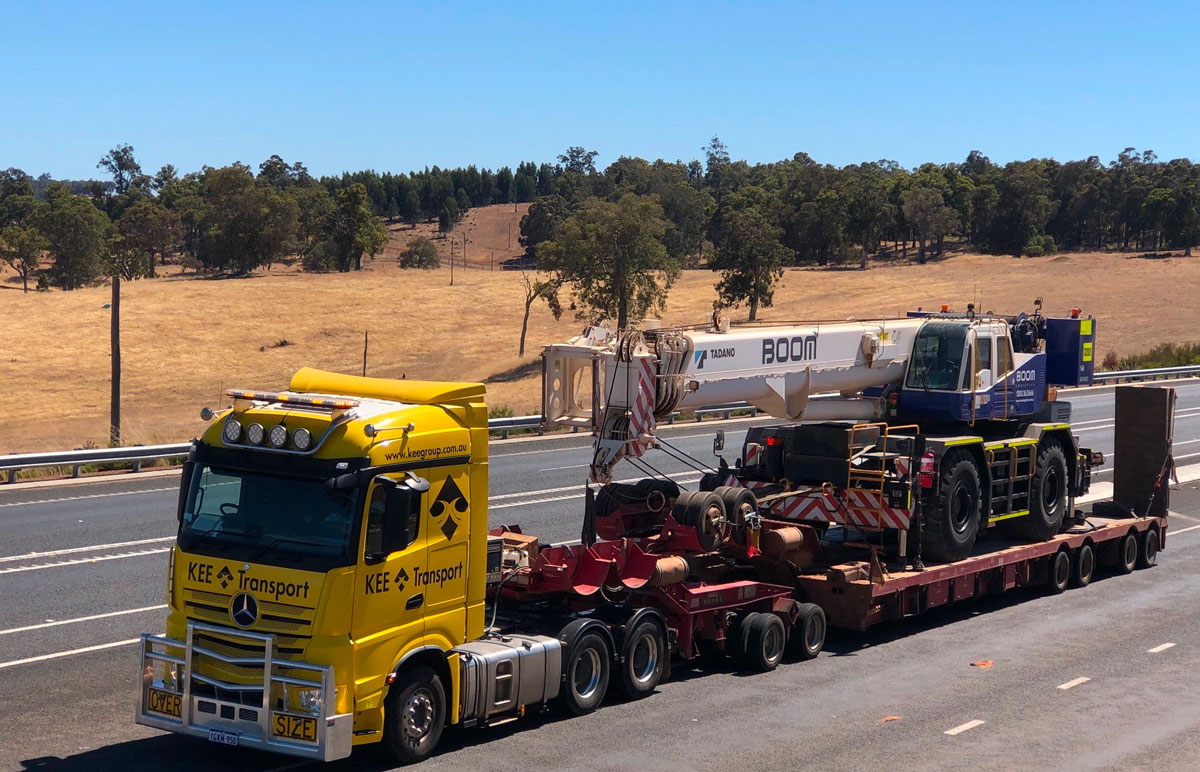
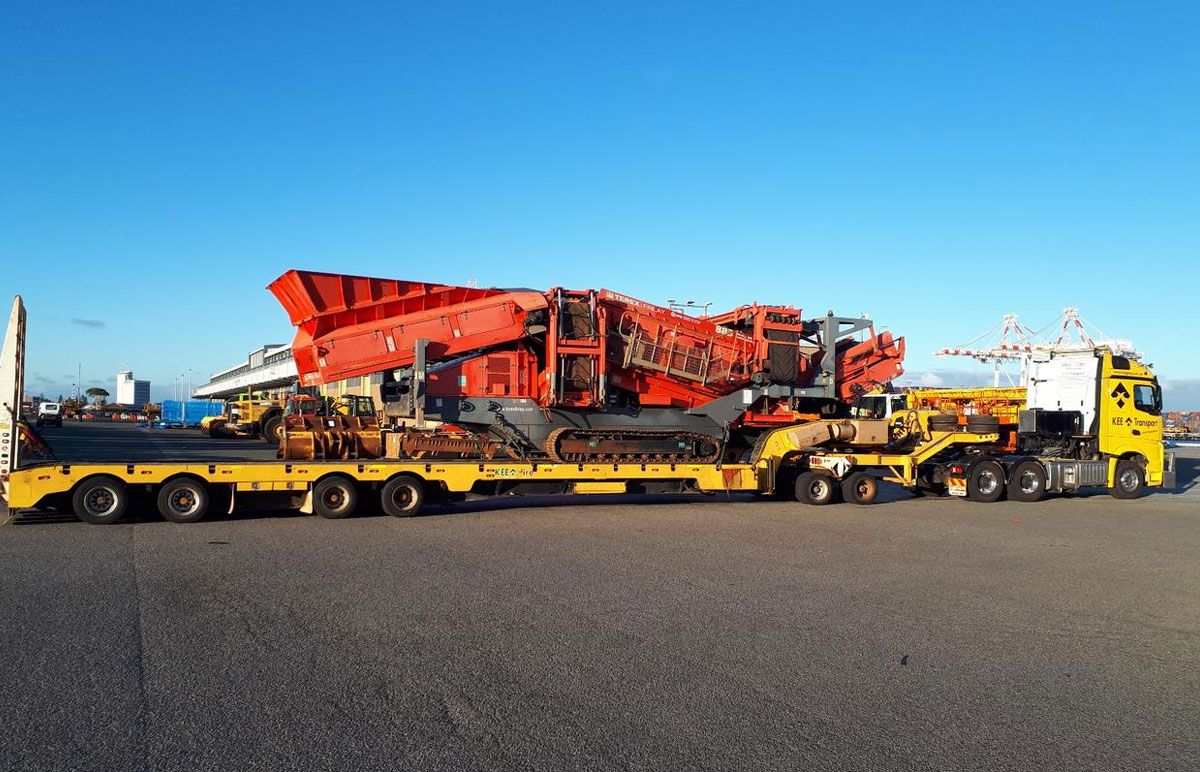
If you’ve been on any highway in Australia, you have likely seen many specialised trailers pulled by freight transportation companies. Low loader trailers, also known as double drop, low-bed, or lowboy trailers, are efficient and versatile transport machines designed to carry bulldozers, cranes, and other heavy construction equipment.

How Low Loader Trailers Function

The very first low bed trailer was introduced in the 1920s. Back then, it could only be loaded from the rear and its gooseneck was attached to the truck from the front of the trailer. The detachable gooseneck followed in the 1950s, making it much easier to load the deck. Modern low loader trailers have hydraulic systems that further streamline the loading process.

Low loaders are semi-trailers with two drop decks. The first drop is behind the gooseneck of the trailer, and the second drop is right before the wheels. These two drops make oversized transport more convenient, and they are what separate low loader trailers from other standard trailers.

The low-lying deck ensures that the centre of gravity is low, while the equipment being hauled remains as stable as possible. There is also the option of increasing the width of the cargo plane. This way, the trailer remains completely stable on the road regardless of what cargo it carries.

Low loader trailers come in two variations: short and extended, with customisable chassis adjusted depending on use. The trailer sits very low to the ground, making it easy to accommodate tall equipment that surpasses the legal height requirement for flatbed trailers.

Two-axel low loader trailers can carry equipment up to 5 metres high and 20,000 kilograms. If the number of axels is expanded, the weight limit can be increased to nearly 40,000 kilograms. Low loaders have hydraulic suspension and an optimal loading platform that makes loading, transport, and unloading heavy machinery incredibly easy.

Both trailer types are also equipped with high-quality equipment such as outriggers and flip ramps to make the transfer process as easy as possible.

What Low Loader Trailers Can Carry

Low loaders are the best choice for heavy machinery or equipment. Its unique setup can accommodate large and uneven loads up to 5 metres wide and 100 tonnes. The trailers can also be extended by as many axels as needed to accommodate your machine lengthwise. For companies that handle different types of cargo, low loader trailers are the most practical and cost-effective solution because they can transport any type of goods, machinery, and equipment.

Low loader trailers are often tasked to carry the following:

  • Construction equipment for roadwork and excavation
  • Forwarder, harvester, and skidders for forestry
  • Tractors, wagons, harvesters, hybrid towers, and other agricultural equipment
  • Generators and turbine blades for wind power plants
  • Boats, cranes, and other large vessels
  • Specially fabricated plant machinery
  • Heavy machinery for drilling and transporting minerals for mining
  • Semi-trucks and earthmovers
  • Road-rail vehicles, locomotives, rail motor coach, and other railway parts.

These are only a few examples of what low loader trailers can carry. If you have heavy equipment that you need to transport in Australia, contact a local transport company to find out about all your options.

Conclusion

Low loader trailers are a popular choice for transportation companies across Australia because of their large load capacities. If you need to transport heavy machinery, low loaders can get the job done. A reputable transport company will provide the perfect transport solution for your specific needs.

If you plan to hire a truck or a loader in Perth, KEE Group is here for you. Our haulage solutions cover the whole of Australia. We endeavour to meet all deadlines and budgets with our reliable service. We can handle anything between 1T and 250T across our fleet of low loaders. Contact us about your transport needs!

5 Considerations to Make When Transporting Oversized Loads

dump trump hire perth

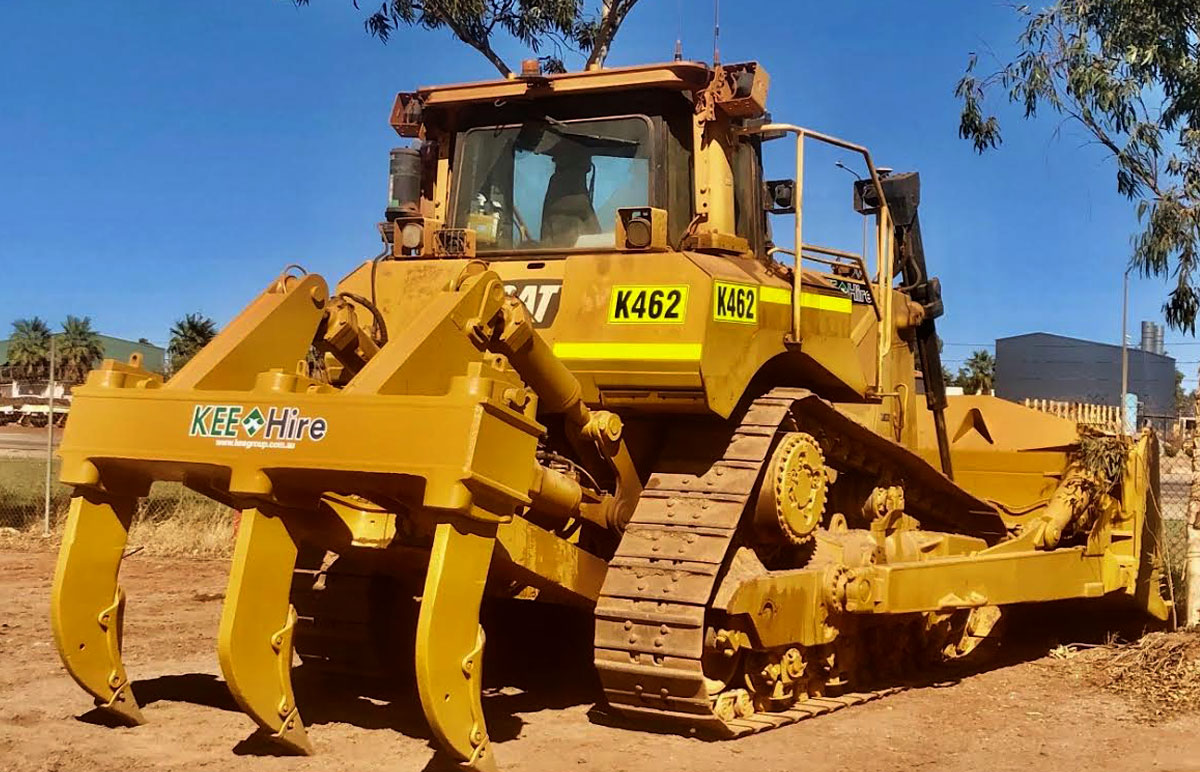
If you need to transport oversized loads as part of your business, you’ll have to consider vehicle hire to help you out. It’s challenging to bring such large quantities or objects without advanced equipment, so it’s vital to deal with a company specialising in these kinds of equipment. By talking to a reputable company with expertise in dozer hire, you’ll enjoy a safe and timely delivery of all the loads you need to handle.

Still, it’s crucial to conduct a lot of research about how to transport the equipment or large earthmoving plant machinery safely. Without doing your due diligence, you’ll risk overlooking rules and regulations that can land you in trouble with the law along with hefty penalties. Here are five considerations to make when transporting oversized freight in Australia:

Choose the Appropriate Transport

Before contacting a service to transport your oversized haul, you’ll need to verify that you require an oversized shipping container. The Road Safety (Vehicle) Regulation states that 1999 containers do not qualify as oversized freight, so it’s essential to check what you need. Still, you can’t randomly choose a vehicle, as you must choose one that can adequately support the size and weight you must carry.

Research the Truck’s Limit

Apart from looking into the legal limits for oversized shipments, you’ll need to determine the maximum weight that rental vehicles can carry. Doing this will ensure that you’re compliant throughout all the states you’ll traverse to deliver the freight, preventing any surprises in penalties or rule violations.

Additionally, it will help to learn more about the requirements around load weights that you must follow to ensure everyone’s safety. Specific load weights require a precise number of axels to distribute the weight evenly. Australia has also implemented restrictions around a container’s length and dimensions, preventing the incorporation of more axels.

Check Company Policy on Safe Loading and Unloading

When browsing for a company to hire, you’ll need to check their policies around safe loading and unloading. Dealing with oversized shipments has its dangers without instituting property safety protocols, so you’ll need to ensure that the company has policies about securing a correctly packed load. Review the company’s qualifications and insurance policies to guarantee road safety while transporting your shipment.

Look Into Required Safety Signs

You’ll have to bring safety signs to accompany the vehicle and container when delivering an oversized load. However, there are different rules about this throughout Australian states, so you’ll need to clarify the safety standards with the transport department to make sure you can meet them. You can also double-check with companies you plan to work with and ask if they comply with these regulations.

Avoid Transporting at Night

Lastly, Australian law dictates restrictions for specific oversized vehicles when travelling at night. To abide by this, check the vehicle’s dimension limit and assess whether it fits with the regulations, allowing you to determine if you can transport your shipment overnight. Otherwise, you’ll have to account for stopovers or repacking, which means extra expenses.

Conclusion

Dealing with oversized vehicles means ensuring that you meet all weight restrictions and limits to abide by safety regulations. You’ll also have to prepare properly by reviewing the mapped-out route and accounting for all possible out-of-state travel and requirements. By considering these five factors before transporting your oversized shipment, you’ll feel safe and secure in choosing the right vehicle hire for your shipment.

KEE Transport offers high-quality haulage solutions through dump truck hire in Perth, helping our clients carry out their oversized load projects with ease. With our formidable fleet of low loader trucks, dozers, and more, we provide you with only the latest and most reliable equipment, ensuring excellent logistical support for your project. Contact us today to find out more about our transport service!

The Benefits of Wet Hire and Dry Hire for Equipment Rentals

mining equipment for hire

When managing a project that requires the use of mining machinery and equipment, considering all factors and costs will ultimately affect your bottom line. If buying new equipment is out of the question, then finding mining equipment for hire would be your only option. Even then, you’re still left with the decision between going for dry hire or wet hire, two very distinct options with their own advantages.

Let’s explore some of those pros and cons.

Why Dry Hire?

If you’re feeling confident with your project management and you want to prioritise cost over convenience, then dry hire is practically the best option for you. Dry hire is when you hire only the equipment needed for the project and operate the plant machinery yourself. In whatever way you want to use the equipment is entirely up to you. The good news is that dry hiring can dramatically reduce the overall cost of hiring equipment. Some of the other benefits of dry hiring include:

  • The flexibility of finding your own operator: If you already have a skilled operator on your existing team, then you don’t have to worry about hiring one. If you don’t have an operator, you can always find someone who is skilled and would fit your budget.
  • You have more control over the work: Obviously, you have greater control over an operator under your employment compared to a contractor.
  • Better accountability: if you’re working with an employee, they’re already familiar with your expectations and processes, and they know how your team works on any given project. There’s greater accountability for what is done on-site in case anything goes wrong.

Of course, you can’t just hire equipment and then assign some random person on your team to operate it. Equipment rental companies will have their own mandatory requirements on how their equipment is handled. Your chosen operator needs to be experienced in handling the equipment and, in some cases, they need to be licensed to use it.

If your appointed operator fails on both requirements, you may need to shell out more money for equipment orientation and training before they can use the equipment. This can be costly both in terms of time and money.

Why Wet Hire?

If you need speed and convenience, a wet hire would be ideal for your project. Wet hire is very much a “complete package” as the equipment you hire already comes with a trained operator to use it. The catch is that you also need to pay for the operator’s labour as they work on your project under your supervision.

There are practically two benefits to this, but it could be more than enough to convince you to go for wet hire on your project. Those benefits are:

  • No training necessary: If you don’t have an operator confident with the machinery on your worksite, then a more skilled operator may be needed. It eliminates the need to train and orient your team members on using the equipment.
  • Lesser risk of any accidents: From an insurance perspective, a wet hire can be an advantage as they have already mastered the use of the equipment. Those operators already have an enormous amount of experience working on various projects, and they’re less likely to make mistakes while on the job.

Making the Call

Ultimately, the decision on whether you go for wet hire or dry hire for your mining project rests with you. Both are viable options and work well depending on the type of project you’re working on. Instead of choosing one over the other, it may be best to weigh your options by looking at your budget, the timeline of the project, and the type of work needed to be done.

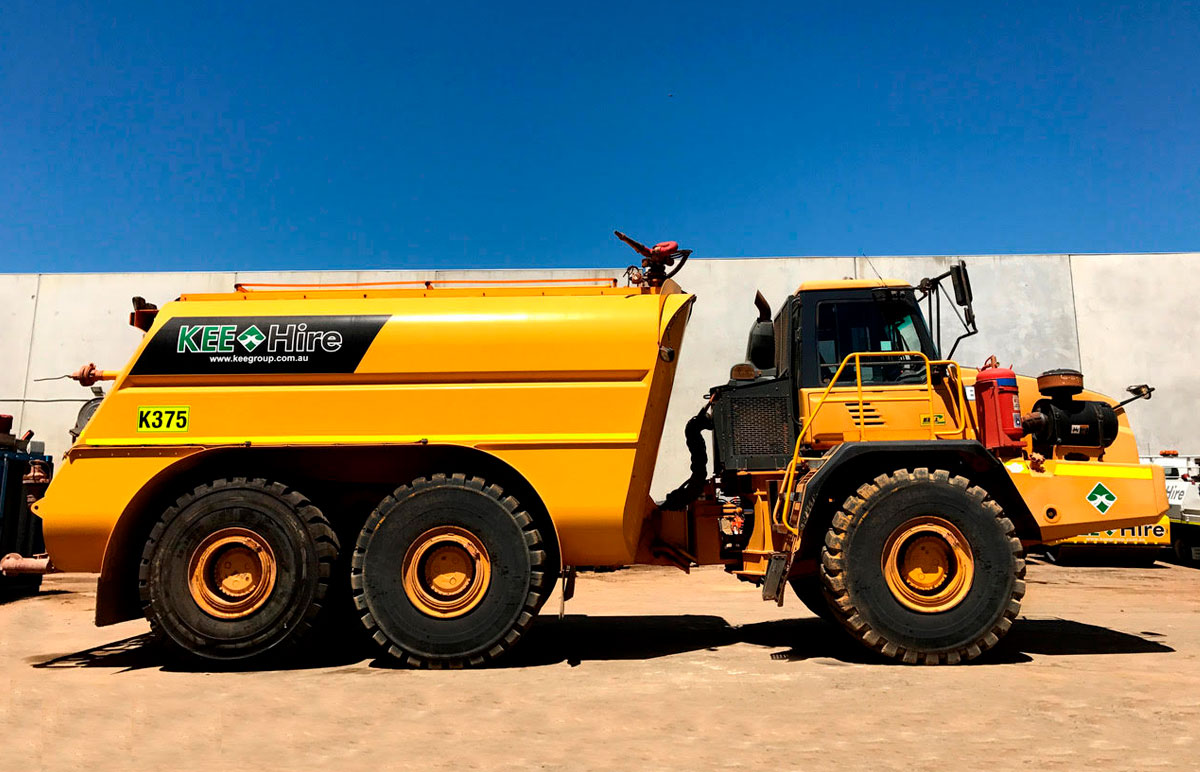
Need some quality equipment delivered to your job site? Look no further than KEE Group. We have rollers, excavators, dump trucks, water trucks, low loaders, and dozers for hire whenever you need them. Not only can we supply mining equipment for hire, but we can also deliver, fuel, service, and operate it depending on your needs.

Enquire today

Get a Quote today!

Please fill in your details and a KEE Hire team member will reach out to you very soon.

Alternatively, you can contact us via the details below:

contactus@keegroup.com.au

+61 8 6401 8500

"*" indicates required fields

DD slash MM slash YYYY

Our people are our greatest asset

KEE Group are growing fast and we are often looking for the right people to help us make it happen. If you would like to join our team and share in the excitement, get in touch today!

Join The Team