Key Factors for Hiring Heavy Machinery

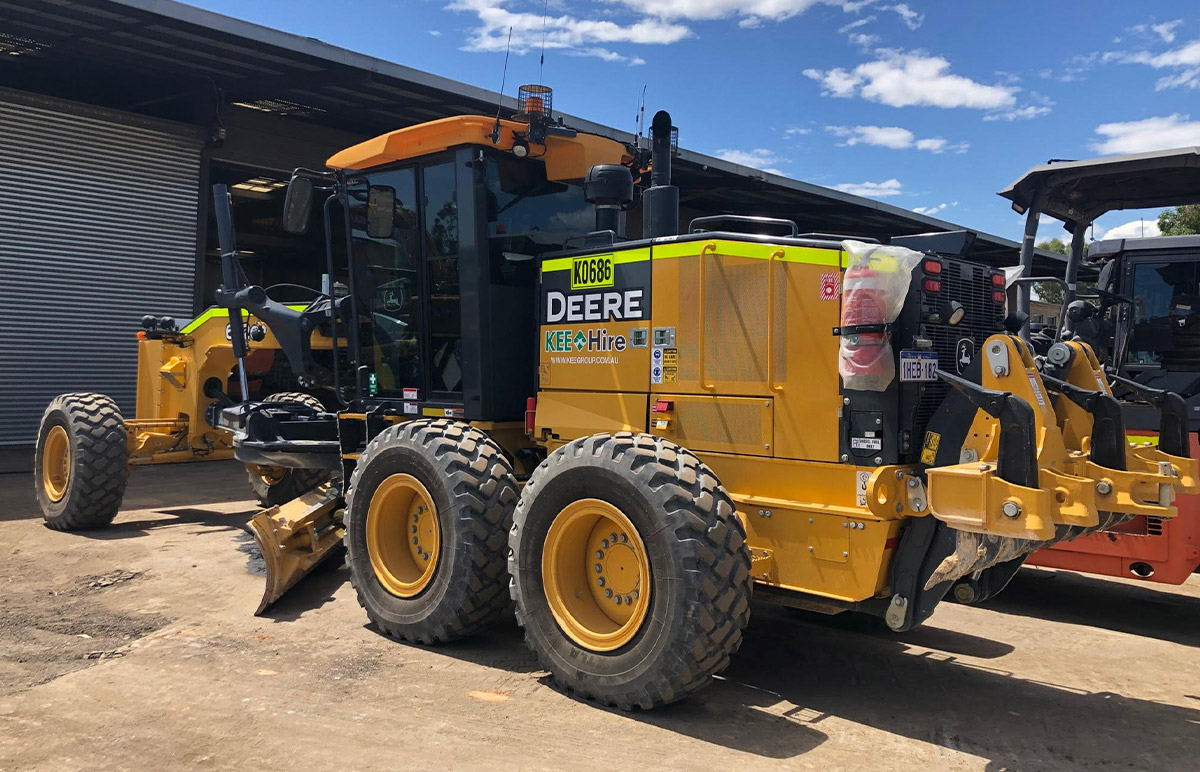
graders for hire in Perth

Hiring heavy machinery is a significant step in both construction and mining projects. The sheer size and complexity of these operations mean that getting the right equipment can make a world of difference. Whether you’re building infrastructure or extracting resources, the machinery you choose impacts not only the efficiency but also the success of the project. There’s a lot to think about; from what type of machine you need to how long you’ll need it for. An informed choice will help you save time, money, and hassle down the road.

Picture a large construction site; without the proper machinery, the entire operation could stall, causing headaches and delays. By carefully weighing your options before making a decision, you ensure that your project runs smoothly. Skilled project managers know that understanding their specific needs and aligning them with the right equipment is paramount. It’s all about ensuring that every part of the operation fits together seamlessly.

Determining Your Project Needs

The first step in hiring heavy machinery is to clearly define the needs of your project. Start by assessing the project’s scope to understand its full requirements and how they tie into your goals.

  • Scope Assessment: Map out all phases of the job to determine the type and amount of work needed.
  • Type of Machinery: Identify each piece of machinery that will be essential. For example, a digging project may require excavators, while building roads might call for rollers and graders.
  • Duration: Think about how long the machinery will be used on-site. Will it be a persistent need or a short-term necessity?

Make a list of each type of machine needed and consider its purpose within the job:

  1. Excavators for digging and earth moving.
  2. Cranes for lifting and transporting heavy materials.
  3. Loaders for material handling and transportation.

By understanding the specific demands, you can choose machinery that enhances productivity. Shortcuts in this stage could mean choosing the wrong equipment, leading to delays and budget overruns.

Evaluating Machinery Specifications

Once you’ve nailed down what you need, dive into the details of machinery specifications. Each machine comes with its own performance metrics that must align with your project requirements.

  1. Capacity and Performance: Ensure the machinery’s capacity matches the workload. A machine that’s too small may struggle, while one that’s too large might be cost-inefficient.
  2. On-Site Compatibility: Check if the machinery fits the terrain and space constraints of your site. Some machines perform better in tight spaces; others are designed for vast open areas.
  3. Fuel Efficiency and Environmental Impact: Modern machinery can offer substantial fuel savings. Select equipment designed to be eco-friendly, minimizing any environmental footprint.

Choosing machinery with specifications that align with your priorities ensures smooth operations and enhances project outcomes. Environmental consideration is growing in importance, and choosing equipment that supports this goal can also reflect positively on your project’s public perception.

By diligently planning and carefully analyzing each factor, you set the stage for a productive and efficient project. The right machinery is more than just a tool; it’s an investment in success.

Safety and Compliance Considerations

When dealing with heavy machinery, safety should always be at the forefront of your planning. Ensuring that all equipment meets current safety standards is non-negotiable. Before you hire, check that the machinery complies with the latest regulations and guidelines to protect your workforce and the surrounding environment.

Operator training and certification play a significant role in maintaining safety standards. Even the most advanced machines require skilled hands to operate them effectively. Make sure that anyone who will be handling the machinery is properly trained and holds the necessary certifications. This not only prevents accidents but also boosts confidence among team members.

Routine maintenance and regular inspections of machinery ensure it remains in top condition. Here’s a simple checklist to keep things safe and efficient:

  1. Schedule regular inspections to check the machinery for wear and tear.
  2. Keep records of all maintenance activities and outcomes.
  3. Ensure that repair work follows all safety guidelines and standards.
  4. Train operators to perform basic checks and report issues promptly.

By staying vigilant and proactive about safety, you protect not just the equipment but everyone working with it.

Comparing Costs and Budgeting

Understanding the costs associated with hiring heavy machinery can sometimes be complex. Different pricing models are available, affecting your overall budget. Hourly rates might suit short-term projects, whereas long-term leases could offer better value for extended tasks.

Hidden costs can creep up, adding to the project budget unexpectedly. Be mindful of additional fees that might arise, like transportation or setup costs. Sometimes, machinery hire comes with fuel charges or insurance fees, so clarify these details upfront to avoid surprises.

Budgets need to be practical and reflect the quality of machinery you intend to hire. Here are some tips for effective budgeting:

  • Evaluate multiple quotes from different providers to get a fair price.
  • Plan for unexpected expenses by setting aside a contingency fund.
  • Opt for packages that offer maintenance and support as part of the hire agreement.

By smartly managing these elements, you’re likely to stay on budget while securing the machinery you need.

Wrap-Up of Key Considerations

To make the most of machinery hire, start by clearly defining your project needs. Align your machinery selection with those needs to boost productivity. Never underestimate the role of safety, making sure all equipment and operators comply with the highest standards.

Thorough research will guide you to the right choices, highlighting the benefits of informed decision-making. This due diligence not only cuts costs but also enhances the project’s overall efficiency and success. By taking these steps, you’ll be well on your way to achieving your project goals with confidence and clarity.

For those seeking reliable and efficient solutions to enhance their construction or mining projects, KEE Group is ready to assist. Explore the range of hire of machinery options available to match your specific requirements. Selecting the right equipment not only streamlines your operations but also ensures safety and compliance. Take the next step toward project success with informed and strategic machinery hire decisions.
Hiring Solutions for Limited Space Sites

dump truck hire perth

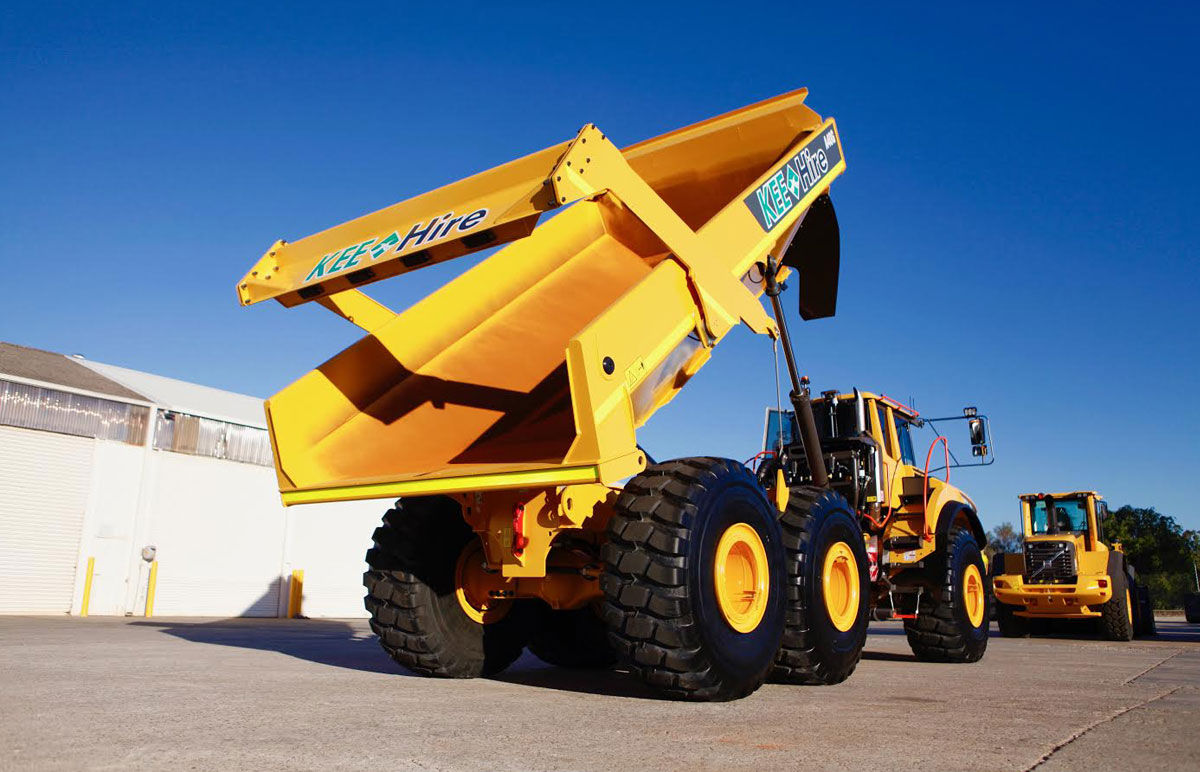
Hiring dump trucks for sites with limited space can be quite a puzzle. The idea of maneuvering large machinery in cramped areas often brings a mix of stress and logistical challenges. From urban construction zones to small rural sites, every project presents its own set of hurdles that need clever solutions. With projects that demand precision, it’s crucial to consider how to effectively manage these constraints without affecting productivity.

Imagine a bustling city street, lined with towering buildings and bustling activity. In such a setting, the prospect of adding a dump truck to the mix can seem overwhelming. But with the right planning and approach, it’s possible to overcome these barriers. The key is to think creatively and find solutions that make the most of the space available, ensuring efficient operations without disrupting surrounding activities.

Understanding Site Constraints

The limitations posed by a small site can significantly impact the type of dump trucks you should consider. Confined areas often have narrow access pathways and limited space for maneuvering, which means that selecting the right type of truck is essential.

  • Space Limitations: Limited turning radius and tight spaces can restrict the movement of large vehicles. It’s important to measure the available space and understand the specific restrictions before deciding on a truck.
  • Access Pathways: Narrow entry points demand smaller, more agile trucks. Evaluating the available pathways will help determine the size of the truck that can be efficiently used without causing traffic snarls or damage to property.
  • Operational Efficiency: Smaller dump trucks designed for maneuverability can keep projects moving without the usual headaches. They’re easier to navigate and allow for faster loading and unloading, which can be a significant time-saver.

By understanding these constraints, you can make informed decisions that lead to a smoother project implementation. Being aware of these factors ensures that the project continues efficiently, avoiding unnecessary delays and making the most of every available inch of space. In turn, this leads to successful site management and the timely completion of work.

Choosing the Right Dump Truck

Selecting the ideal dump truck for a limited space starts with understanding what each type offers. When space is a premium, size and maneuverability become top priorities. There are several types available, each catering to unique needs.

  • Mini Dump Trucks: Designed for easily accessing tight spaces, these trucks are small but efficient. They’re perfect for urban areas or compact sites where larger trucks just can’t fit.
  • Articulated Dump Trucks: Known for their agility, these trucks are great for sites with sharp turns and uneven terrain. Their articulated design allows them to take on spaces where rigid trucks might struggle.
  • High-Tip Dump Trucks: Particularly suited for sites with elevated discharge points, these trucks can unload materials at significant heights, making them handy for dumping over high barriers.

When choosing the right truck, consider the specific limitations and goals of your site. If the site has a lot of twists and turns, articulated trucks provide that needed flexibility. For smaller jobs, mini trucks might be the best match because of their nimble nature. Each type brings its benefits, so think about which features align with your project’s needs. This careful selection ensures that operations remain efficient, avoiding unnecessary holdups.

Efficiently Managing Dump Truck Operations

Running a smooth operation in a confined space requires more than just picking the right truck. It involves strategic planning and coordination to ensure all elements of the site work harmoniously.

One effective strategy is to plan loading and unloading times. Scheduling during off-peak hours can avoid unnecessary traffic at the site. This coordination helps keep the workflow uninterrupted and reduces the risk of accidents or delays.

Here are a few tips for managing operations seamlessly:

  • Coordinate with Site Activities: By synchronizing dump truck movement with other tasks on site, you can prevent congestion. This kind of planning keeps things running smoothly and minimizes downtime.
  • Establish Clear Communication: Ensure everyone on site knows the schedule and their role in the process. Clear communication helps in adjusting plans quickly if any unexpected issues arise.
  • Regular Maintenance Checks: Regular inspections of the equipment keep everything in good working order, avoiding unexpected breakdowns that could halt progress.

With a focus on planning and communication, dump truck operations can be handled in a way that maximizes site potential without overwhelming space or resources.

The Benefits of Professional Assistance

While tackling these challenges, relying on professional services often provides a layer of expertise that can save both time and money. Professional hire services bring along not just equipment, but also the knowledge and experience necessary for handling complex site demands. They provide support in selecting the most appropriate machinery, setting up operation schedules, and troubleshooting any issues that arise.

This added support can significantly ease the project’s burden, allowing site managers to focus on other important tasks. With expert advice, you’re better positioned to address any unique site conditions efficiently, ensuring that the hire process is smooth and effective.

For seamless operations in tight spaces and expert support, consider the benefits of professional assistance in renting construction equipment. Discover how KEE Group can help with the hire of a dump truck tailored to your specific site needs.

Avoid Common Mistakes in Plant Machinery Hire

dump trucks

Hiring plant machinery for large-scale projects can be a game changer, paving the way for enhanced efficiency and timely completion of tasks. The right equipment can turn complex challenges into manageable jobs and support a project from start to finish. However, stepping into the hiring process without proper knowledge can lead to significant setbacks. The journey is filled with potential pitfalls that can complicate matters rather quickly.

When tackling a major project, knowing the common mistakes people make when hiring plant machinery can save time, money, and lots of stress. It’s about having the right tools to make informed choices. By steering clear of these mistakes, you enhance your chances of a smoother operation.

Mistake 1: Not Assessing Project Requirements Properly

One of the first steps in hiring plant machinery involves a clear understanding of your project’s needs. Jumping into the process without this clarity can result in unsuitable machinery choices that could hamper progress and inflate costs.

  • Identify the Scope: Understand the specific tasks required for the project. Does it involve heavy lifting, digging, or transporting?
  • Type and Size of Machinery: Different projects require different machinery. Choosing an excavator for precision digging when you actually need a dozer for bulk earth moving can lead to inefficiencies.
  • Duration: Know how long the machinery will be needed on-site. This helps in planning the lease terms effectively.

Imagine trying to paint a house with a toothbrush. Not only is it inefficient, but it also becomes frustrating fast. Applying this analogy to plant hire, selecting the wrong equipment may keep you trapped in inefficiencies, diverting focus from more pressing tasks.

Mistake 2: Overlooking Machine Compatibility with the Site

Another key area where mistakes often occur is failing to ensure that the machinery is compatible with the site conditions. Even the most advanced piece of machinery will struggle if it’s not suitable for the landscape or operational demands.

Terrain is a significant consideration. Hilly or uneven ground, for example, requires machinery that can safely and effectively maneuver through such conditions. Space constraints are another aspect you can’t ignore; tight sites might limit the type or size of machinery you can use safely. Weather conditions play a part too; machinery needs to perform well under the expected environmental conditions, whether it’s rain-soaked soil or dry, compacted earth.

Ensuring machine compatibility with the project site is like picking the right shoes for a trek—failing to do so can slow you down and make every step more difficult. Make sure to evaluate these elements before finalizing any hire.

Mistake 3: Ignoring Safety and Compliance Standards

Safety and compliance are top priorities when hiring plant machinery. With heavy equipment on site, ensuring all safety measures are in place isn’t just a good practice, it’s necessary for a smooth operation. Machinery that doesn’t comply with regulations can lead to costly fines and unsafe working conditions. This whole process starts with ensuring the machinery meets the required safety standards.

Operator training is equally important. No matter how state-of-the-art the machinery is, without a skilled operator, it can’t be used safely and effectively. It’s like giving a high-performance car to someone who doesn’t know how to drive. Certifications for operators and up-to-date inspection records for machinery bolster your project’s safety protocols, offering peace of mind and helping prevent accidents.

Mistake 4: Failing to Plan for Maintenance and Downtime

Neglecting to schedule maintenance can result in unexpected breakdowns, throwing a wrench in project timelines. Regular upkeep ensures machinery runs efficiently and minimises the chance of malfunctions. It’s much like a routine check-up – small actions now can prevent major headaches later.

Planning for downtime is also essential. Have a backup plan in place for when machinery is non-operational, whether scheduled or unexpected. Consider these steps to help manage:

  • Create a maintenance schedule: Regular check-ups help catch issues before they escalate.
  • Allocate buffer time for repairs: Factor in potential delays when planning project timelines.
  • Have spare parts ready: Quick access to parts can reduce downtime significantly.

Mistake 5: Neglecting to Compare Costs and Budget Efficiently

Before finalising any hire, comparing costs is key to avoiding surprise expenses. Different hire companies may have varied cost structures, so it’s wise to get a few quotes. This way, you can spot any potential hidden fees and ensure you’re getting a fair deal.

When budgeting, it’s helpful to look at the big picture. Instead of just considering the hire price, think about the total cost, including transportation, insurance, and fuel. Planning finances thoroughly ensures you won’t face unexpected costs down the road.

Avoid These Mistakes for a Smooth Project

Staying clear of these common pitfalls when hiring plant machinery will keep your project on track. Proper planning, from understanding project needs to ensuring safety and budgeting smartly, lays a strong foundation for successful operations. Anticipating challenges and preparing for them enables smoother sailing through the complexities of project completion. By focusing on informed decision-making, you can ensure your project runs seamlessly and efficiently, steering you closer to completion without unnecessary stress.

For a seamless hiring experience and to ensure your project stays on track, explore the plant hire in Perth available with KEE Group. With a broad range of machines to choose from, you can rest assured your project will benefit from the right equipment. For more information on selecting and hiring the perfect machinery, get in touch with us.

Enhancing Site Safety with Water Trucks

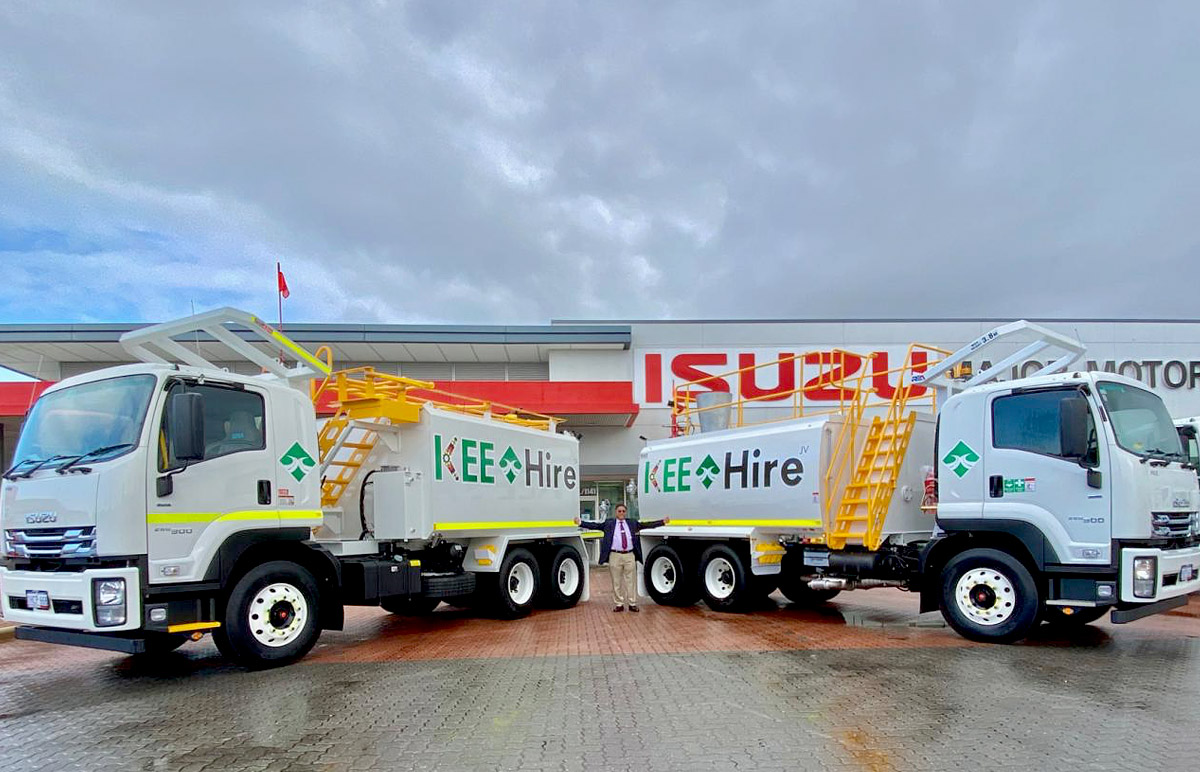
water truck hire Perth

Dust might seem like just a nuisance, but on construction and mining sites, it poses significant challenges. From impairing visibility to affecting the health of workers, the presence of dust can’t be overlooked. It’s more than just an irritant; it’s a real safety concern. Proper dust control measures help improve air quality and ensure a safer working environment, allowing operations to proceed smoothly. One effective way to manage dust and boost safety is by using water trucks. These vehicles are equipped to handle dust suppression tasks, making them indispensable on many job sites.

Water trucks play a key role in managing and maintaining site safety. They work by spraying a controlled amount of water over dusty areas, which helps settle particles that otherwise become airborne. This process enhances visibility, lowers health risks, and keeps workplace hazards at bay. Through effective dust suppression, water trucks not only safeguard the immediate environment but also contribute to overall work quality and efficiency.

The Importance of Dust Control

Dust control on construction and mining sites isn’t just about comfort; it’s a critical safety measure. When dust fills the air, it can reduce visibility, making operations harder to manage and increasing the likelihood of accidents. Imagine trying to navigate a site where you can barely see a few meters ahead—it’s not just inconvenient, it’s dangerous. Besides, dust often carries tiny particles and harmful substances that, if inhaled, can lead to respiratory problems for workers.

Protecting health isn’t the only reason to control dust. Regulatory bodies have strict requirements for maintaining air quality on active sites. Ensuring compliance with these standards is important, not just to avoid penalties but to promote a healthy workplace. Effective dust control measures improve air quality, protect workers’ health, and keep operations running smoothly.

  • Improved Visibility: Dust control improves sight lines by settling airborne particles, allowing for safer navigation and operation of equipment.
  • Health Protection: Keeps respiratory issues at bay by significantly reducing inhalation of harmful particles.
  • Regulatory Compliance: Meeting air quality standards is vital to avoiding penalties and supporting a healthy work environment.

By using water trucks for dust control, sites can maintain clean air, boost safety, and keep everything running efficiently. It’s a win-win for everyone on site, providing peace of mind that both environmental and health standards are being maintained.

How Water Trucks Work

Water trucks are an essential tool on construction and mining sites for controlling dust. But how exactly do they work? Let’s break it down. A water truck generally consists of a tank, a pumping system, and spray nozzles. The tank stores a large amount of water, which the pump then circulates through the system to the spray nozzles mounted on the truck, allowing even distribution of water. As the truck moves across the site, water is sprayed over dusty areas to keep particles from becoming airborne.

There are different types of water trucks, each tailored for specific tasks. Some are designed for heavy-duty use with high-capacity tanks suitable for large sites like open mines, while others are more compact, ideal for smaller construction projects. The variety allows site managers to choose the right water truck based on site size and dust suppression needs. Whether distributing water over a wide area or focusing on problem spots, these trucks offer versatility in tackling dust-related problems.

Enhancing Safety with Water Trucks

Water trucks do more than just suppress dust—they are key to enhancing overall site safety. By keeping dust levels down, they drastically reduce the risk of accidents caused by poor visibility. On sites where machinery and vehicles move about, clear sight is paramount for preventing mishaps.

Here’s an example: On a busy site, a worker attempted to navigate a forklift through a cloud of dust without the aid of a water truck. The result was a near-miss collision with another vehicle. That situation underscores how dust suppression can prevent not just minor incidents, but potentially life-threatening ones.

Additionally, water trucks come in handy during emergency situations, such as small fires. By quickly dousing flames, they act as first responders that can prevent the spread until more resources arrive. They also help in controlling surface conditions by reducing loose, dry topsoil that can become slippery when mixed with rain, further promoting a safe work environment.

The Benefits of Hiring a Water Truck

When deciding how to incorporate water trucks into site operations, hiring often emerges as a smart choice. The benefits are clear. Firstly, hiring a water truck can be more cost-effective compared to purchasing one outright. It eliminates the need for substantial upfront capital, allowing for better financial flexibility.

Hiring also offers a range of options, meaning you can select the right truck for a specific project. Whether you need a large-capacity truck for an extensive mining site or a smaller one for a compact construction area, the ability to choose what fits best ensures efficiency. This flexibility means you won’t be stuck with a truck that doesn’t quite meet your needs.

Access to the latest technology is another advantage. Equipment providers frequently update their fleets, giving you machines equipped with the newest innovations in dust suppression technology. This access keeps your operations cutting edge without the hassle of constant upgrades.

When it comes to making the most of your water truck hire, a reliable provider will ensure smooth operations. They offer support and advice on best practices in truck use and maintenance, ensuring your site continues to benefit from reduced dust and enhanced safety without unnecessary interruptions.

Maximizing Efficiency and Safety

Taking steps to properly incorporate water trucks into your management strategy can lead to significant improvements in both efficiency and safety. By prioritizing dust suppression techniques, you help maintain a safe and productive working environment. Investing in water trucks ensures your site meets health and safety standards, protects workers from respiratory risks, and improves visibility. Embracing these practices not only promotes environmental responsibility but also boosts operational effectiveness on the job site.

As you integrate water trucks into regular site operations, think about the positive impact on work culture and morale. Workers in safer conditions often have higher job satisfaction, translating to better output and fewer downtimes. This approach breeds a proactive, safety-oriented team and supports a sustainable, thriving business model.

To truly optimise site safety and efficiency, engaging in the hire of a water truck can make all the difference. By partnering with KEE Group, you’ll have access to the latest equipment designed to keep your operations running smoothly, ensuring your site remains compliant and hazard-free. Explore your options for water truck hire and discover how you can enhance your dust control strategies today.

Hiring Considerations for Mining Equipment

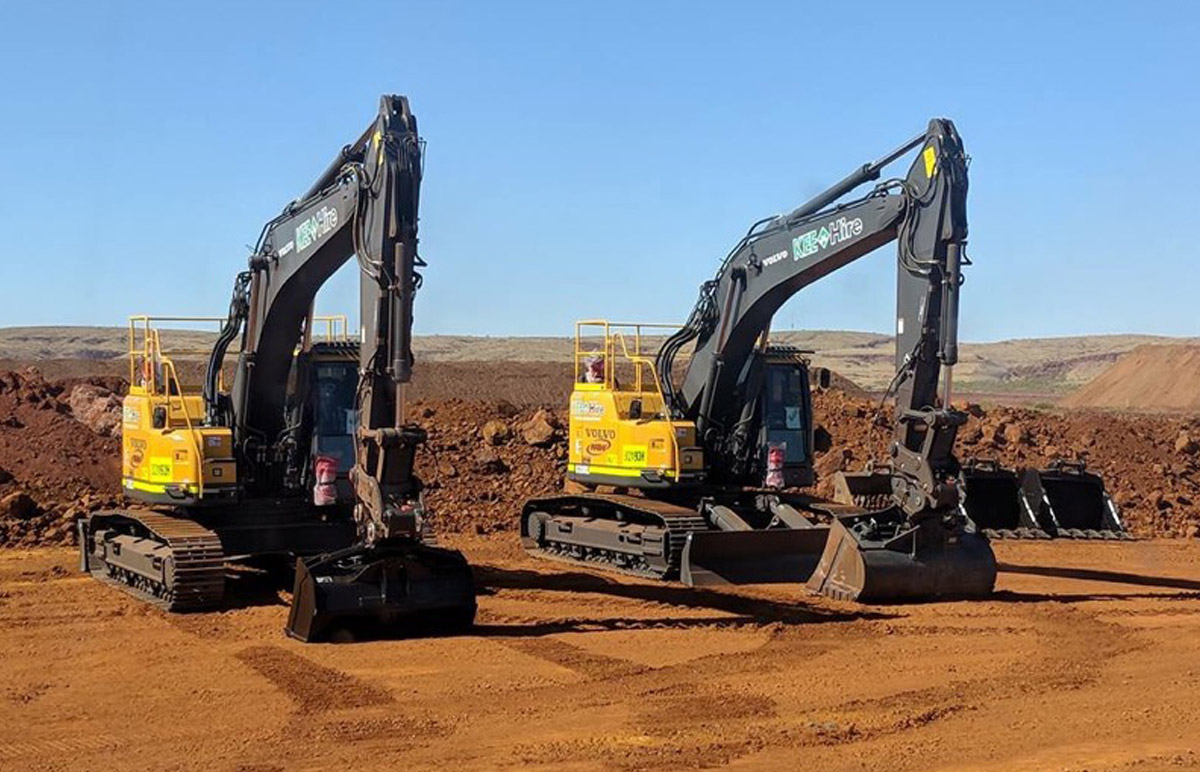
hiring equipment

When you’re managing a mining project, the success of your operation largely depends on the tools you employ. Hiring mining equipment comes with significant benefits, especially when ensuring optimal performance and meeting project deadlines. By selecting the right machinery, you enhance productivity and prevent costly delays and inefficiencies. Choosing to hire rather than purchase equipment gives you access to the latest technology without committing to a long-term investment. This flexibility allows you to adapt to changing project needs without breaking the bank.

Understanding what’s involved in hiring mining equipment can make the difference between a smooth operation and one that’s fraught with challenges. It’s crucial to consider various factors to ensure your equipment supports your project’s specific requirements. In the next sections, we’ll explore how to determine your project needs and assess equipment quality and vendor reputation so you can make informed decisions that drive project success.

Assessing Project Requirements

Before you hire mining equipment, it’s vital to assess your project’s needs thoroughly. Start by analyzing the scale of your mining operation. Is it a large, long-term project or a smaller venture that could complete within a limited timeframe? Knowing this will help you determine the type and number of machines you require.

Next, clarify your specific equipment needs. For instance, if your project involves extensive earthmoving, you might need excavators, loaders, and wagons. If precision and handling of sensitive environments are priorities, the focus may shift to specialized drilling machines or compact earthmovers. Understanding what you need aligns your hire options with operational demands, ensuring you avoid unnecessary expenses.

Consider the duration and intensity of your equipment use. A high-intensity project running continuously over several months will demand machinery that’s reliable under extended operation. In some cases, short-term projects may benefit from fewer machines to streamline workflows and reduce downtime. Take into account any potential peaks in operation or periods where equipment may not be in constant use, as these can influence your hire strategy and manage costs effectively.

By outlining your project requirements and understanding different elements like scale, specificity, and duration, you set a strong foundation for making efficient hiring decisions. This approach safeguards your project timeline and supports financial and operational goals.

Evaluating Equipment Quality and Condition

It’s important to ensure that the mining equipment you hire is up to standard and dependable. Start by inspecting the condition of the machinery before making any commitments. This includes a physical examination of the equipment, checking for signs of wear and tear, and ensuring all parts are functioning properly. You wouldn’t want machinery breaking down in the middle of your project, causing unnecessary delays.

Reviewing maintenance and service records is another crucial step. These documents provide useful insights into how well the equipment has been maintained and any potential issues that might arise. Ensure that the machinery complies with current safety standards, both for the workers’ safety and to adhere to legal requirements. Verifying these details can make the difference between a smooth-running project and one plagued with interruptions.

Vendor Reputation and Support Services

Finding a reliable vendor is as crucial as choosing the right equipment. You need a vendor whose reputation speaks of reliability and quality service. Look into customer reviews and ask for references if possible to get an idea of their track record. A reputable vendor will be transparent and eager to provide you with all the necessary information.

Support services play a significant role in the hiring process. Confirm that the vendor offers adequate support in terms of part replacements, repairs, or any other form of technical assistance. This support can save you time and resources if equipment fails during your project. Understanding the terms of hire contracts and warranties is also crucial. Make sure you are fully aware of what is covered and any responsibilities you might have during the rental period.

Budget Considerations and Cost Management

Cost is often one of the biggest factors when hiring mining equipment. Start by comparing the hire costs with what it would take to purchase. While hiring can often be the more economical choice initially, it’s important to consider the long-term financial implications for your project.

Explore flexible payment options that align with your financial planning. Some vendors might offer varied payment structures that cater to your cash flow. It’s also practical to plan for any additional costs that might arise during the project. This includes potential overuse fees or insurance premiums.

Wrapping Up the Key Considerations

Careful planning and evaluation are your best allies when hiring mining equipment. By taking the time to understand your project’s needs, evaluating the quality of machinery, and choosing a reputable vendor with solid support services, you set yourself up for success. Keep these factors in mind to ensure a smooth operation and efficient resource management. Planning ahead and making wise choices can greatly enhance the effectiveness of your mining project.

Ready to streamline your mining operations with the right equipment? Discover how the hire of mining equipment can empower your project and bring efficiency to your operations. Visit KEE Group to explore the possibilities and find the perfect machines for your needs.

Troubleshooting Heavy Equipment in Remote Areas

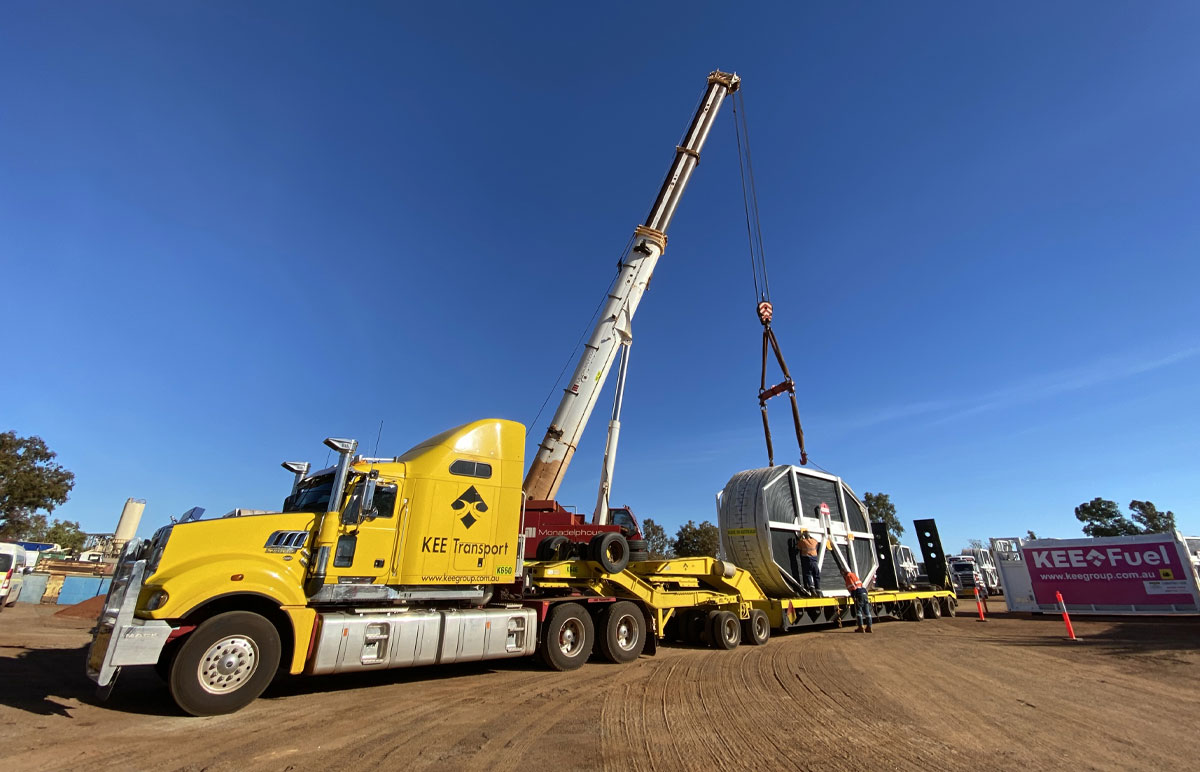
construction hire

Dealing with heavy equipment breakdowns in remote areas is no small task. When machinery suddenly stops working miles away from the nearest facility or expert, it can be a major headache. These breakdowns can halt projects, cause costly delays, and frustrate even the most seasoned operators. Still, tackling these challenges head-on with the right strategies can help keep projects on track and make sure equipment runs smoothly again in no time.

Understanding the common problems and knowing effective troubleshooting techniques are key to minimizing downtime. Rapid and efficient problem-solving becomes even more crucial when your project site is isolated. The harsh conditions of remote places add another layer of difficulty to maintaining and fixing equipment. Yet, with preparation and a bit of know-how, many breakdowns can be resolved swiftly.

Common Causes of Heavy Equipment Breakdowns

Heavy machinery, like any other equipment, can face various mechanical issues. While each machine has its unique traits, there are a few common problems that can lead to breakdowns, especially when operating in remote spots.

1. Engine Issues: Clogged filters, worn-out belts, and overheating are frequent culprits. Engines are complex, and their performance can falter if not monitored closely.

2. Hydraulic Failures: Leaks, damaged hoses, and contaminated fluids can lead to hydraulic system problems. These issues often result in a loss of power and efficiency.

3. Electrical Problems: Faulty wiring or failing alternators can cause unexpected stops. Electrical systems can be sensitive, especially under harsh environmental conditions.

The rugged terrain and weather conditions typical in remote areas can put extra stress on machinery. Dust, mud, and extreme temperatures can accelerate wear and tear. Engines can overheat in hot, dusty environments, while cold weather can make oil thicken and strain various parts. Regular checks and quick fixes can mitigate such problems and protect the equipment from severe harm.

Essential Tools And Techniques For On-Site Troubleshooting

When you’re fixing machines in remote areas, having the right tools can make all the difference. The essentials include a good set of adjustable wrenches, a multimeter for electrical diagnostics, and a portable air compressor, which can be a lifesaver for clearing debris out of tight spaces. Having a reliable toolkit ensures you’re prepared for most situations, reducing downtime significantly.

Basic troubleshooting strategies are equally important. For instance, when faced with an engine issue, checking the oil and filter should be top of the list. If there’s a hydraulic failure, inspect for visible leaks first since they are the quickest to spot and usually straightforward to fix. A systematic approach helps in identifying and addressing the problem effectively, saving both time and effort.

Benefits Of Hiring Heavy Equipment For Remote Projects

Taking on the challenge of remote projects often means making smart decisions about equipment use. Hiring machinery offers several advantages over ownership, especially in isolated areas. The main benefit is flexibility; you can choose equipment that’s perfect for each phase of your project without long-term commitment. This approach can save you from the hassle of maintaining unused machines.

Additionally, hired equipment generally comes well-maintained and ready to handle rugged conditions. This is crucial when breakdowns in remote locations can severely impact timelines. Not having to worry about extensive maintenance means you can focus more on the task at hand, increasing productivity and efficiency.

How KEE Group Supports Remote Area Operations

Supporting operations in the middle of nowhere involves a whole lot more than just supplying machines. Providers like KEE Group understand the unique needs of working in challenging environments. This includes offering machines built for rugged terrain and various weather conditions.

Reliable support and maintenance spare no effort, so operators don’t have to tackle every issue alone. With easy access to professional help and replacement parts, operations can continue smoothly even when issues arise. This support network is invaluable in keeping projects moving and reducing downtime dramatically.

Keep Your Equipment Running Smoothly During Remote Projects

Making sure heavy equipment runs efficiently in remote areas involves a mix of preparation, the right tools, and strategic planning. Regular checks and professional maintenance help prevent common breakdowns. Knowing common problems and having a reliable troubleshooting process in place can make all the difference.

By choosing reliable equipment hire, operators can ensure access to well-maintained machinery suited for any project phase. This proactive approach minimizes the risk of unexpected breakdowns, helping projects run efficiently and on schedule. This balance between preparation and support is the key to overcoming the challenges of remote site operations.

To get the most out of your next project with minimal stress from equipment issues, consider the benefits of trusted hire of heavy equipment. KEE Group is here to help you access the best-maintained machinery suited for any job.

Enquire today

Get a Quote today!

Please fill in your details and a KEE Hire team member will reach out to you very soon.

Alternatively, you can contact us via the details below:

contactus@keegroup.com.au

+61 8 6401 8500

"*" indicates required fields

DD slash MM slash YYYY

Our people are our greatest asset

KEE Group are growing fast and we are often looking for the right people to help us make it happen. If you would like to join our team and share in the excitement, get in touch today!

Join The Team