Essential Mining Equipment Hire Benefits

hiring equipment

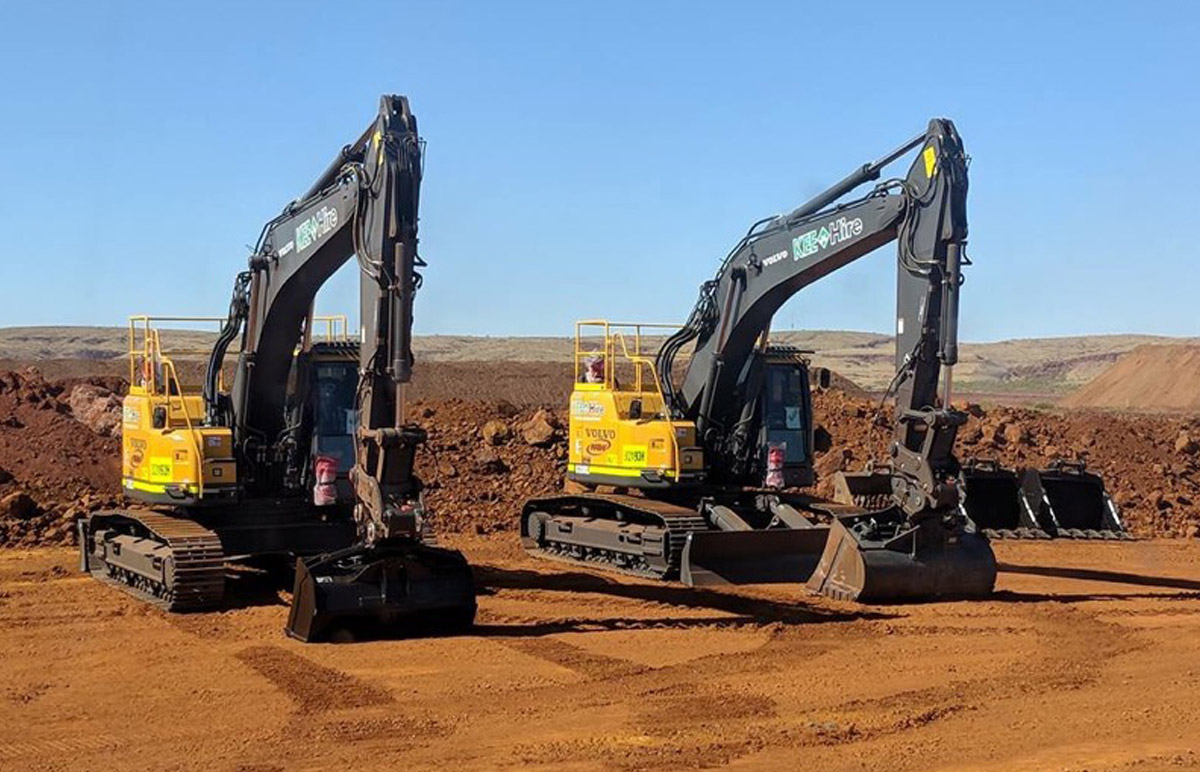
For mining operations, having the right equipment can determine your project’s success. Mining machinery, like excavators and dump trucks, is costly and managing its purchase, maintenance and storage can strain resources. This is where hiring becomes an effective solution. Hire services allow businesses to access the necessary machinery without the heavy initial costs.

Cost-Effectiveness of Hiring Mining Equipment

Hiring mining equipment is a smart way to maintain financial flexibility. Instead of tying up a large amount of capital in purchasing machinery, businesses can save on up-front costs through hire options. This approach ensures you pay only for what you need, when you need it. You can avoid the hefty initial investment and put those funds into other important areas of your operation.

Moreover, hiring equipment provides greater flexibility in scaling operations. Projects can vary in scope, and sometimes, the machinery that fits your needs today might not be sufficient for tomorrow’s challenges. With hire options, you can easily scale your fleet up or down, adapting quickly to the demands of different projects. This adaptability helps in maintaining efficiency without the financial burden of owning unnecessary equipment.

Another cost-saving aspect is related to maintenance and depreciation. Equipment naturally depreciates over time, and maintaining a fleet can be costly, especially when you factor in the need for regular servicing and unexpected repairs. When hiring, those worries are alleviated as you’re not responsible for depreciation and ongoing upkeep, thus keeping your budgeting clearer and simpler.

Access to Latest Technology and Equipment

Staying competitive requires using the latest technology, and equipment hire allows access to advanced machinery without the financial strain of constant upgrades. The mining industry continuously evolves with new advancements aimed at improving efficiency and safety. Hiring services usually offer the latest models equipped with cutting-edge technology, giving your operations a strong edge.

Using up-to-date machinery often means better performance and increased project efficiency. Advanced features in equipment like dump trucks, excavators, and graders can significantly reduce operation times and energy consumption while enhancing precision. This not only speeds up work but also contributes to reduced operational costs over time.

Hire providers regularly update their fleets to ensure they keep pace with technological advances. By choosing to hire, businesses avoid the costly and frequent purchase cycles required to maintain state-of-the-art equipment. This ensures access to modern features without the commitment to long-term ownership.

Furthermore, regularly updated fleet offerings from hire services mean that you can select from a broad range of machines tailored for specific tasks. Whether you need machinery for excavation, transportation, or surface operations, you’ll find options designed with the latest efficiency and safety enhancements, further supporting the success of your mining projects.

Minimising Downtime with Reliable Equipment

Consistent productivity is key in mining operations, and minimising downtime is crucial. Reliable equipment is essential to keeping projects on schedule. With machinery hire, you gain access to well-maintained equipment that reduces the risk of unexpected failures. Hire providers ensure their machinery undergoes regular maintenance and checks, meaning your operation benefits from equipment that is ready to perform.

Moreover, if an issue does arise, quick replacement and maintenance support are part of the hiring package. Unlike owned machinery, where dealing with breakdowns can be costly and time-consuming, hiring allows access to swift solutions. Providers often have backup equipment on hand or can quickly resolve issues, keeping your projects moving smoothly.

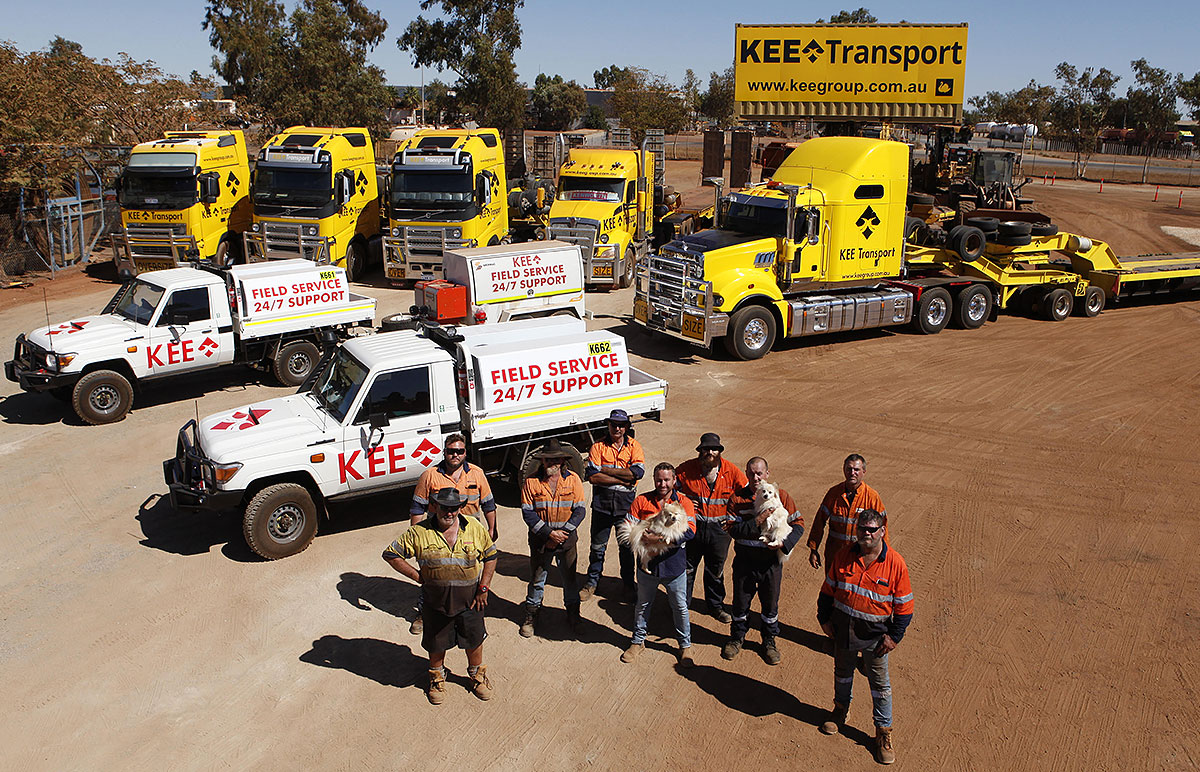
Reliability in equipment hire also includes access to 24/7 support services. This means any operational problems can be addressed promptly, significantly reducing potential downtime. Having a team ready to assist and replace machinery as needed ensures that your operation remains efficient and productive, ultimately saving you time and money.

Tailoring Equipment to Specific Project Needs

No two mining projects are alike, and having the right machinery is essential. Equipment hire allows you to customise your fleet based on specific project needs. Whether it’s a grader for levelling surfaces or a dump truck for transporting materials, the flexibility to choose the right machinery can enhance project efficiency.

Hiring provides access to a diverse range of machinery. You can select from excavators, rollers, wheel loaders, and more, ensuring you have the right tools for different tasks. This adaptability is particularly beneficial for projects with varied requirements, allowing you to have the most suitable equipment for each phase of your operation.

Leveraging a wide range of options means you can adjust equipment use according to task demands. If a project shifts focus, from excavation to transportation, you can switch the machinery you’re using without the burden of ownership costs. This flexibility can improve project outcomes and ensure tasks are completed efficiently.

Conclusion: Optimising Mining Operations with Equipment Hire

For mining operations striving for success, hiring equipment presents a practical and efficient option. It provides substantial cost savings, keeping initial investments low while offering scalability to match project demands. Access to the latest technology ensures your projects benefit from the latest advancements in machinery. Reliable and well-supported equipment minimises downtime, maintaining productivity throughout.

Tailored equipment hire addresses the specific needs of each project, giving you the flexibility to adapt as circumstances change. This adaptability is invaluable for projects of all sizes, from small-scale operations to large mining endeavours. By integrating equipment hire into your strategy, you position your operation for optimal performance and financial planning.

Considering the comprehensive benefits of mining equipment hire, isn’t it time you explored how it can enhance your operation? Connect with KEE Group today to discover how our range of hire services can support your project’s unique needs. Our expert team is ready to assist you in achieving efficiency and cost-effectiveness, ensuring your mining operations reach their fullest potential.

Best Tips for Effective Heavy Equipment Hire

mining equipment hire

Choosing the right heavy equipment for a project can be a game-changer. Whether it’s for construction, mining, or infrastructure, having the right machinery can save time and money. Knowing what to look for in an equipment hire service ensures that projects run smoothly and successfully.

Options for machinery hire are vast, from dump trucks and excavators to wheel loaders and graders. Each piece of equipment has specific capabilities, making it important to match your project’s needs with the right machines. A well-informed decision helps in securing equipment that enhances productivity and meets safety standards.

When looking to hire equipment, it’s not just about getting the best machines. Evaluating suppliers, considering cost-effective options, and ensuring support are key factors. These elements contribute to not only smooth operations but also the safety and efficiency of the project.

Identifying Your Equipment Needs

Determining the right machinery for your project is a critical first step. Understanding the specific demands of your work will guide you in selecting suitable equipment. Whether you’re involved in construction, mining, or infrastructure projects, assessing your needs accurately is essential.

Start by defining the scope of your project. A clear understanding of tasks involved helps in choosing the correct machinery. Consider the type of materials you will handle and the terrain you will be working on. For moving earth or heavy materials, excavator hire or dump truck hire might be essential. Projects needing compaction in road construction would benefit from roller hire.

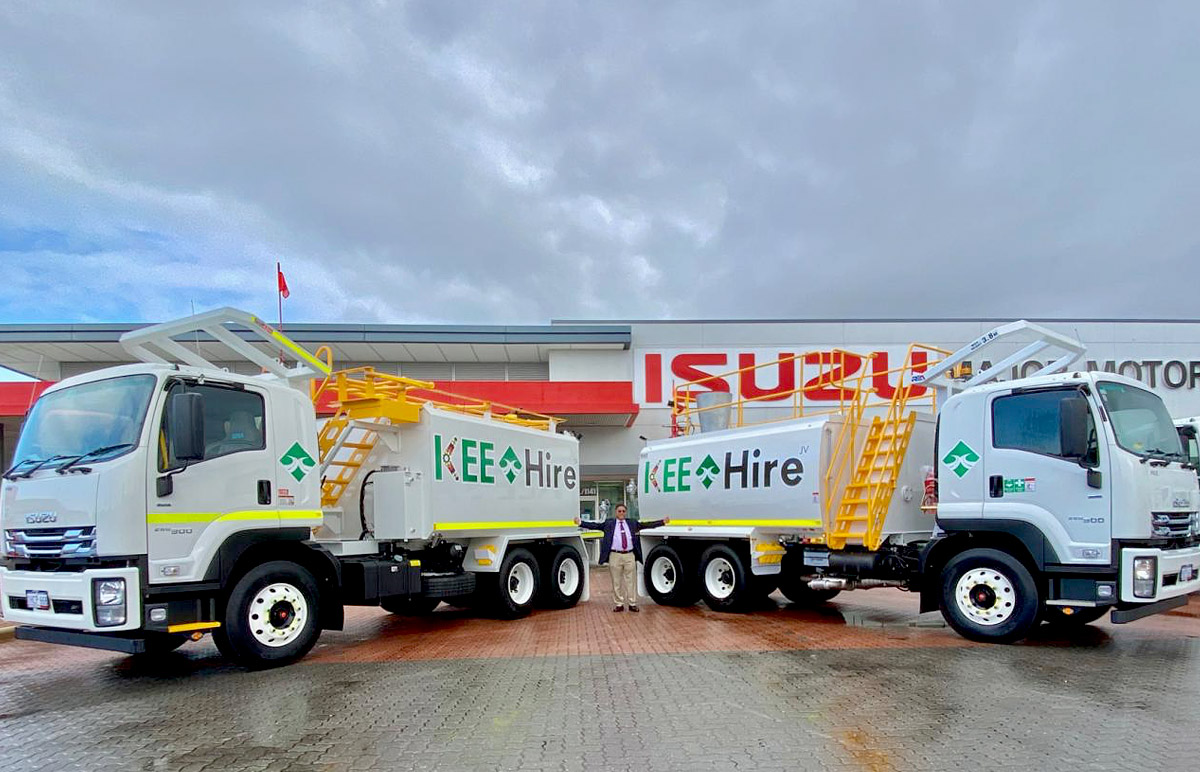
Next, look at the specific functions of each machine. Wheel loaders, for example, are excellent for materials handling while graders smooth surfaces. An excavator is versatile for digging and demolition. Understanding these capabilities ensures you choose equipment that meets your functional needs efficiently. Make a list of machinery required and match each type to the task it is suited for—from water truck hire for dust control to tipper hire for hauling heavy loads.

Always remember to consider the scale of your project. The size and capacity of machinery should be proportionate to your project’s requirements, ensuring you neither under-equip nor over-spend. Proper planning and assessment can lead to a smoother execution and completion timeline.

Evaluating Supplier Credibility and Equipment Quality

Choosing a reputable supplier is key to successful equipment hire. Reliable suppliers provide quality machinery and support services, reducing downtime and operational headaches. Evaluating their credibility should be a priority.

Begin by researching suppliers’ reputations. Look for customer reviews and testimonials online, focusing on consistency and satisfaction. Positive feedback can be a good indicator of reliable service. Communicate with previous clients if possible to get firsthand insights into their experiences. Trustworthy suppliers should have a proven track record of timely deliveries and equipment reliability.

Inspect the condition and age of equipment offered by the supplier. Newer machinery generally means better performance and fewer breakdowns. Check for regular maintenance records, which indicate how well the equipment is cared for. Well-maintained machines are less likely to give trouble on-site, ensuring your project runs smoothly.

Additionally, consider the range of equipment on offer. A supplier with a comprehensive inventory, from plant hire to mining equipment hire, is better positioned to meet your diverse needs. Assess their ability to supply the equipment you require within your project timelines.

Incorporating these steps into your supplier evaluation process can help you secure quality machinery that meets your project needs efficiently. Prioritise quality and reliability for successful project outcomes.

Cost-Effective Hiring Options

When considering heavy equipment hire, it’s important to think about the cost-effectiveness of your options. One of the key decisions is whether to opt for wet hire or dry hire. Wet hire includes the machinery along with a qualified operator, which provides convenience and reliability, especially for projects requiring specialised skills. It eliminates the need to find operators separately, reducing potential downtime. On the other hand, dry hire provides just the equipment, offering more flexibility if you have trained operators available on your team.

Cost considerations extend beyond whether to choose wet or dry hire. It’s worthwhile to explore potential discounts for long-term hire or bulk orders, which many suppliers offer to large-scale projects. Negotiating contract terms can also lead to significant savings. Discussing flexible terms related to hire duration, delivery and return logistics, can also help optimise costs.

It’s prudent to compare different quotes from various suppliers to ensure competitive pricing. Look for transparent pricing structures that clearly outline what you’re paying for, including any additional fees or charges. Balancing these factors will help you make a cost-effective decision that aligns with your project’s budget and timeline requirements.

Ensuring Comprehensive Support and Training

Support and training are crucial components of a successful heavy equipment hire. Proper operator training ensures the machinery is used safely and efficiently. Hiring companies should offer certified operators who meet industry standards. Skilled operators can help prevent accidents and minimise wear and tear on equipment, leading to lower maintenance costs and fewer delays.

In addition to skilled operators, assess the level of customer service and technical support available. Reliable suppliers should offer prompt assistance if equipment issues arise or if additional guidance is needed. This support can include technical advice, troubleshooting, and even on-site visits if necessary. Quick response times are essential to avoid project disruptions and keep timelines on track.

Finally, consider if supplementary training is available for your team. This might include safety briefings or equipment handling workshops. Such training enhances your team’s competence and confidence when operating machinery, further bolstering site safety and efficiency. Investing in proper support and training can greatly influence the success and safety of your project.

Enhance Your Project with Our Expertise

Enhancing project safety and efficiency with the right equipment hire can drive your project to success. Consider the importance of choosing equipment that meets your project needs and evaluating suppliers to ensure you receive reliable, quality equipment. By weighing your hiring options, such as wet and dry hire, and ensuring comprehensive support, you can optimise your project’s operational capabilities.

To further enhance your project capabilities, partner with an expert hire firm that understands your needs. KEE Group offers extensive plant hire services to meet various project requirements, ensuring your operations run smoothly and safely. Reach out to discover how our range of machinery hire solutions can benefit your next civil or mining project, providing you with the support and expertise necessary for success.

What to Look for in Tipper Hire Services

construction service for hire

Choosing the right tipper hire service can make a significant difference in the success of a project. Whether you’re involved in construction, mining, or infrastructure development, having reliable and efficient machinery is crucial. Tippers are essential for moving large quantities of materials quickly, making them a vital part of any heavy-duty operation.

When you need tipper services, there are several important factors to consider. From understanding the types and capacities of tippers available to assessing the reliability and safety standards of the machinery, every aspect plays a role in ensuring smooth project execution.

It’s also necessary to look at the cost and flexibility options in tipper hire, such as whether to choose wet or dry hire. Responsive customer support should not be overlooked, as it can help address any issues promptly and keep your project on track.

By carefully evaluating these factors, you can ensure that the tipper hire service you choose meets your needs effectively, ultimately contributing to the efficiency and success of your project.

Evaluating Tipper Types and Capacities

Choosing the correct tipper for your project is vital for efficiency and productivity. Tippers come in various models, each suited to different tasks. Understanding these differences can help you select the best one for your needs.

Firstly, there’s the standard tipper, perfect for general-purpose tasks. These are versatile and can handle a range of materials like soil, sand, and gravel. They’re ideal on construction sites where flexibility and easy manoeuvrability are important. For larger projects, you might consider a semi-tipper.

These can carry heavier loads and are suited for long hauls of aggregate or large volumes of waste. Semi-tippers are often used in mining operations because of their higher capacity and durability.

Additionally, side tippers are useful when space is limited on-site, as they can unload materials sideways. This feature is handy for road construction or infrastructure projects where space constraints can be a challenge.

When deciding on capacity, assess your project size and the amount of material to be moved. Small-scale projects might only need a 6×4 tipper, while larger projects might benefit from semi-tippers.

Estimate the volume of material and consider factors such as site access and the terrain. If the site has soft soil or steep inclines, ensure the tipper can handle these conditions without getting bogged down.

Assessing Reliability and Safety Standards

Ensuring the reliability and safety of your tipper hire is crucial for a successful project. Well-maintained tippers reduce downtime and potential safety risks, keeping your project on schedule.

Start by looking at the provider’s maintenance records. Regular maintenance keeps tippers in good working order, minimising the risk of breakdowns. Reliable providers should have a detailed history of servicing and repairs for each vehicle in their fleet.

In addition, assess the safety features of the tippers. Modern tippers often come equipped with essential safety features such as reverse cameras and alarms, which help prevent accidents on busy job sites.

These features can provide peace of mind and improve operational awareness. It’s also important to check that tippers meet the necessary industry standards. Australian standards ensure the equipment is safe, efficient, and fit for purpose. Ensure the hire company complies with these standards, which can include vehicle inspections and certifications.

Finally, query the availability of support and emergency services. Even with the best equipment, emergencies can occur. A reliable hire service should provide quick support, whether it’s a breakdown or guidance on equipment use.

This responsiveness prevents costly delays and ensures smooth operations. Focusing on reliability and safety will help you avoid unnecessary hassles and keep your project running smoothly.

Comparing Cost and Flexibility in Tipper Hire

Deciding between wet hire and dry hire is a key consideration when planning your budget for tipper hire. Wet hire includes both the equipment and an operator, while dry hire provides just the equipment.

Wet hire can save you time and stress because it comes with an experienced operator, reducing training needs on your end. This option is ideal for projects with stringent time constraints or where specialised skills are required. Meanwhile, dry hire can be more cost-effective if you already have qualified operators available.

The choice between the two depends on your project’s specific requirements and the skill level of your existing workforce. Evaluate the cost-benefit of each option. Consider not just the upfront costs but also the potential savings in terms of efficiency and safety.

When negotiating hire terms, aim for flexibility. An ideal hire agreement accommodates changes in project scope or timeline. Check for possible discounts on long-term hires or up-front payments.

Doing your homework on standard rates and comparing multiple offers can also empower you to secure a better deal. With these strategies, you can navigate tipper hire effectively, balancing both cost and convenience.

Importance of Responsive Support and Service

Responsive support and service play a crucial role in ensuring successful tipper hire. The quality of customer service you receive can significantly impact your project’s timelines and overall success.

Begin by evaluating the level of support a hire company offers. Are they quick to respond to inquiries? Do they provide emergency assistance if equipment fails? These factors matter because quick problem-solving can prevent costly downtime.

Reliable companies offer robust after-hire services, ensuring you’re not left stranded once the hire agreement is signed. Check if they provide technical support or on-site maintenance during the rental period. This support ensures that any technical issues are resolved promptly, keeping your project progressing smoothly.

It’s also useful to seek out feedback from previous clients regarding their experiences. Honest reviews can give insights into the company’s commitment to customer satisfaction.

Ultimately, a company that prioritises excellent service allows you to concentrate on completing your project effectively and efficiently, minimising potential stress and setbacks.

Conclusion

Making informed decisions about your tipper hire will ensure your project stays on budget and on schedule. Engage with services that offer both high standards and flexibility. A comprehensive approach to assessing potential hires will pay off, providing peace of mind from start to finish.

Ready to streamline your project with reliable heavy equipment hire? Contact KEE Group today for top-tier service and complete support. Our expert team is here to guide you through seamless equipment hire, tailored to your specific needs.

Choose us for unmatched expertise in heavy machinery hire across Western Australia.

How Grader Hire Boosts Project Precision

plant hire in Perth

Grader hire can play a crucial role in enhancing the precision of construction projects. These versatile machines are designed to create smooth, flat surfaces by finely trimming earth and gravel. They’re essential for tasks like road construction, site grading, and even mining operations.

Hiring a grader offers significant flexibility and cost-efficiency. Instead of investing in an expensive purchase, project managers can use graders as-needed, ensuring the right equipment is available without the burden of ownership. This allows projects to be more adaptable, adjusting resources as requirements shift.

Precision is vital in construction to ensure quality and safety standards are met. Graders help achieve exact surface requirements, providing the foundation for successful project completion. From level pathways to precise foundations, graders form the backbone of many construction sites, allowing other machinery to work efficiently. By leveraging grader hire, companies can maintain control over their operational costs while boosting the quality and accuracy of their work.

Understanding the Role of Graders in Project Precision

Graders play a pivotal role in achieving high precision on construction sites. These machines are integral for creating level surfaces, which is essential for ensuring the quality and durability of structures. Graders are typically used for tasks such as road construction, creating a base for foundations, and other projects needing precise surface grading.

One of the primary functions of a grader is to finely shape the landscape. By adjusting the angle and height of the grading blade, operators can precisely sculpt surfaces to meet specific project requirements. This capability makes graders vital for setting the stage for subsequent construction phases, like paving or plumbing installations.

Graders also assist in drainage planning. They can shape the land to direct water flow, reducing the risk of water-related damage later in the construction process. Achieving the correct slopes and drainage paths helps prevent pooling and flooding, a crucial factor in maintaining a site’s integrity.

Furthermore, the use of graders enhances overall project safety. Proper grading prevents accidents by ensuring that surfaces are even and stable for other heavy equipment operations, like dump truck hire or roller hire. This precision reduces the likelihood of mishaps, saving time and resources while adding to the project’s success.

Key Benefits of Grader Hire for Construction Projects

Hiring a grader brings several benefits to construction projects by enhancing flexibility, reducing costs, and improving precision. Here’s why grader hire is advantageous:

  1. Cost Efficiency: Purchasing a grader represents a significant investment, often not feasible for short-term projects. Hiring allows access to needed equipment without the burden of ownership.
  2. Flexibility: Grader hire enables project managers to select the right machinery for specific needs and timelines. This adaptability ensures the equipment matches project demands without tying up capital in rarely-used machinery.
  3. Access to Latest Technology: By hiring, projects gain access to modern, well-maintained machines with advanced technology. This equipment offers improved accuracy and fuel efficiency, enhancing project outcomes.
  4. Expertise Comes Included: Many hire agreements include skilled operators who are familiar with the equipment, ensuring tasks are carried out efficiently and safely without requiring additional training for your team.
  5. Maintenance and Reliability: Hiring from a reputable provider ensures the machinery is maintained to high standards, reducing the risk of breakdowns that could lead to project delays.

By taking advantage of grader hire, construction managers can improve project precision and efficiency. This approach not only optimises resources but also supports successful and timely completion, making grader hire an invaluable part of well-planned construction projects.

Comparing Grader Hire with Other Machinery Options

When planning a project, it’s important to choose the right machinery for specific tasks. Grader hire offers unique benefits, but it’s essential to compare it with other equipment options to determine what fits your needs best.

  • Graders vs. Excavators: Graders and excavators serve different functions. While graders are used for precision leveling and creating smooth surfaces, excavators are better suited for digging and moving large quantities of earth. For projects requiring detailed surface work, graders are more appropriate, whereas excavators excel in tasks involving trenching and bulk removal.
  • Graders vs. Rollers: Both graders and rollers contribute to surface preparation, but they do so differently. Graders shape and smooth the surface, while rollers compact it. For a project needing both shaping and compaction, using these two machines together can be ideal.
  • Graders vs. Wheel Loaders: Wheel loaders move earth and other materials efficiently. They can also perform some grading, but lacking the precision of a dedicated grader. For simple load and carry tasks, wheel loaders work well, but graders provide the finesse needed for level grading.

Considering these comparisons helps you decide when grader hire is the best choice. Its ability to fine-tune surfaces makes it invaluable for projects demanding precision.

Tips for Maximising Efficiency with Grader Hire

To make the most of grader hire, it’s important to operate efficiently. Here are some tips to help maximise productivity and value from your hired equipment:

  1. Plan Your Project Timeline: Align hiring periods with project phases that require grading. This ensures the grader is used effectively without unnecessary rental days.
  2. Assess Job Requirements: Understand the specific grading needs of your project. Detailed planning helps in selecting appropriate attachments and settings for the grader.
  3. Choose the Right Operator: Skilled operators can maximise the potential of a grader. Opt for wet hire if you don’t have experienced operators in-house, ensuring efficiency and precision.
  4. Routine Maintenance Checks: Regular inspections of the equipment help prevent downtime. Make sure the grader is in top working condition throughout its use.
  5. Integrate with Other Equipment: Use graders in conjunction with other machinery like rollers and water trucks for optimal results. This combination ensures smooth, compacted surfaces ready for further work.

By implementing these strategies, you can enhance project outcomes and improve efficiency on-site, making the most of your grader hire investment.

Conclusion

Choosing the right machinery is vital for any construction project’s success. Grader hire stands out by providing precision and flexibility, which are key drivers of project efficiency and quality. Whether it’s smoothing surfaces or ensuring proper drainage, graders meet specific demands that other equipment can’t quite address.

At KEE Group, our commitment is to support your construction needs with reliable and versatile machinery hire services. With a comprehensive range of plant and machinery, we ensure that every project is equipped with the tools needed to succeed. Browse through our services and discover how KEE Group can empower your next project with precision and expertise.

Maximise Efficiency with Wheel Loader Hire

Wheel Loader

When handling construction or mining tasks, efficiency matters. An efficient operation saves time and money, allowing projects to meet their deadlines and stay on budget. Wheel loader hire is a strategic choice for many businesses, offering the flexibility and power needed to handle various tasks effectively.

Wheel loaders are versatile machines. They can move large amounts of material in a single scoop, clear debris, load vehicles, and transport supplies across a site. These capabilities make them indispensable on the job site, especially when time is tight and demands are high.

Deciding to hire a wheel loader rather than purchase one can also offer significant financial benefits. It allows access to the latest machinery without the burden of ownership, providing businesses with the agility needed to adapt to changing project needs.

This approach not only improves operational efficiency but also gives companies a competitive edge in the industry.

Understanding Wheel Loader Applications

Wheel loaders play a crucial role in both construction and mining operations. These powerful machines are designed to move large volumes of material quickly and efficiently. In construction, wheel loaders are often used for tasks like moving dirt, gravel, and other materials around the site. Their ability to scoop and transport loads makes them ideal for preparing areas for further development.

In the mining industry, wheel loaders are indispensable for their capability to handle heavy loads of ore and debris. Their robust design allows them to operate in tough, rugged environments where other machinery might struggle. This adaptability is what makes wheel loaders such a valuable asset on a mining site.

The advantages of using wheel loaders over other types of machinery are clear. Firstly, their large bucket capacity means fewer trips back and forth, reducing time and increasing productivity.

Not to mention, wheel loaders are known for their manoeuvrability, allowing them to navigate tight spaces with ease. This ability ensures that they can work effectively alongside dump trucks and excavators, moving and loading materials seamlessly.

With features like hydraulic steering and articulated frame steering, wheel loaders provide precise control, making operations smoother and safer. Their versatility extends to attachments like forks, ploughs, and sweepers, enhancing their utility across different job sites.

This adaptability makes wheel loaders a favourite choice for many project managers looking to streamline their site operations.

Tips for Effective Wheel Loader Operation

To maximise efficiency with a wheel loader, practising effective site management and operation techniques is vital. Proper planning ensures equipment is used to its full potential and reduces downtime. Positioning materials strategically around the site can cut travel distances for the loader, enhancing productivity.

Operator training plays a significant role in this process. Encouraging continuous skill development helps operators become more familiar with the machinery, leading to safer and more effective use.

Skilled operators can better judge the machine’s handling characteristics, improving speed and safety. They also learn to make the most of the loader’s features, like load-sensing hydraulics that adjust the power based on the task.

Some best practices for using wheel loaders include:

  • Pre-Operation Checks: Ensure the loader is in good condition before starting to work. This includes checking tyre pressure, hydraulic oil levels, and general machinery wear and tear.
  • Efficient Loading Techniques: Load from the front, and avoid carrying loads sideways. This ensures stability and reduces the risk of tipping.
  • Monitoring Speed: Operating at safe speeds improves control and reduces wear on the loader.
  • Communication: Maintain clear communication with other site workers. This is crucial for safety and efficiency.

By focusing on these operational strategies and ensuring that operators are well-trained and well-informed, the efficiency and safety of wheel loader operations can be significantly enhanced.

Maintenance and Safety Tips

Proper maintenance and adherence to safety protocols are key to ensuring wheel loaders perform optimally. Regular maintenance keeps machinery in peak condition and prevents costly repairs.

Establishing a routine for maintenance checks is essential. This includes inspecting hydraulic systems for leaks, checking tyres for wear, and ensuring that the bucket and other attachments are secure.

Lubrication of moving parts is another vital aspect. Keeping pivot points and joints well-oiled ensures smooth operation.

Air filters should be examined regularly, as clean filters enhance engine performance and reduce fuel consumption. Scheduled servicing based on usage hours rather than time intervals is also effective in maintaining the loader’s efficiency.

Safety protocols should not be overlooked. Conducting daily safety checks can prevent accidents on-site. Ensure all safety guards are intact, and emergency exits are clear. Operators should always wear suitable personal protective equipment (PPE) and be mindful of site-specific safety regulations.

Utilising safety technologies, such as backup alarms and cameras, can aid visibility and communication among team members. Training operators in both safety awareness and emergency response is crucial for creating a safe work environment.

These steps ensure that wheel loaders operate safely and efficiently, reducing downtime and enhancing productivity.

Cost-Effective Hiring Strategies

Hiring strategies for wheel loaders can significantly impact project budgets. Considering both wet and dry hire options is a good start. Wet hire includes both the equipment and an operator. This option is beneficial when there is a need for skilled manpower, reducing the training time and enhancing immediate productivity.

Dry hire, on the other hand, provides the equipment alone, which can be more cost-effective if your team already includes skilled operators. This option allows greater flexibility in managing projects and operators.

Maximising savings through clever hiring strategies is also possible. Bundling machinery hire often leads to discounts. If your project requires multiple pieces of heavy equipment, consolidating your hire needs with a single provider can result in cost reductions and simplified logistics.

Additionally, long-term hire agreements typically offer better rates and guaranteed equipment availability over the project duration. Exploring loyalty programmes or negotiating contracts for repeat business can also provide financial advantages. Evaluating these options helps ensure that the wheel loader hire aligns with your budget while meeting project demands.

Achieving Success with Wheel Loader Hire

Maximising efficiency and cost-effectiveness with wheel loader hire requires careful planning and consideration. By understanding the capabilities and advantages of wheel loaders, and implementing effective operational and maintenance practices, you can significantly improve project outcomes. Safety should never be compromised, as it ensures both operator well-being and equipment longevity.

The right hiring strategies support operational needs and make financial sense. By choosing the appropriate hire options and exploring bundling opportunities, businesses can optimise their machinery hire investments.

As you consider your next project, connect with KEE Group to explore how our comprehensive wheel load hire and machinery hire services can support your goals. Our expertise ensures that you receive the right equipment for your needs, enhancing both efficiency and success!

Roller Hire for Smooth and Stable Surfaces

compaction rollers

Roller hire plays a crucial role in construction projects, helping create smooth, even surfaces essential for roads and other infrastructure. These machines provide the pressure and compaction necessary to stabilise surfaces, which enhances both durability and safety. By making sure the ground is properly prepared, projects can proceed smoothly without unnecessary setbacks.

Choosing the right roller for a project involves understanding the specific needs of the site. Different types of rollers suit various applications, whether you’re preparing a highway or a building foundation. The decision impacts the quality and efficiency of the work, ensuring that the surfaces can withstand the demands placed on them over time. Through careful selection and expert operation, roller hire can effectively meet these requirements.

Importance of Roller Hire in Construction Projects

Rollers are essential in construction for creating smooth surfaces. These machines compact the ground, making it stable and even. This is critical for surfaces like roads, pathways, and foundations. By using rollers, construction teams ensure that these surfaces will last, preventing early wear and tear.

The benefits of rollers extend across various project types. In road construction, rollers help evenly spread asphalt or concrete, making travel safer. For infrastructure projects, rollers ensure the ground is stable, reducing the chances of future repairs. Having this machinery on site not only speeds up the project, reducing overall costs but also ensures that safety standards are maintained.

Moreover, rollers impact safety and timelines significantly. Proper compaction minimises the risk of surface failure, which is crucial for heavy-duty roads and airport runways. By ensuring that the ground is solid, accidents and delays are less likely, keeping the project on track. With rollers pulling their weight in site preparation, construction projects flow more smoothly from start to finish.

Types of Rollers and Their Applications

There are several types of rollers, each designed for different applications. Understanding these types helps in choosing the right one for a specific task, which increases efficiency and effectiveness.

1. Tandem Vibratory Rollers: These are ideal for asphalt surface tasks. They use vibration to compact surfaces and are perfect for road construction.

2. Pneumatic Rollers: Suitable for compacting fine-grained soils and asphalt layers, these rollers have tyres that provide uniform pressure.

3. Sheepsfoot Rollers: Best for clay and silty soil compaction, their knobs help in compacting with less water content.

4. Grid Rollers: Ideal for compacting coarse soils, these are often used in road construction and repairing gravel roads.

When choosing the right roller, several factors come into play:

  • Surface Type: Consider whether you are working with asphalt, soil, or gravel. Different rollers suit different surfaces.
  • Project Scale: Larger projects might require rollers with more power and coverage.
  • Budget Constraints: Ensure the hire cost aligns with your budget while providing the necessary performance.

Selecting the proper roller for the job ensures better results, helping maintain project timelines and quality outcomes.

How to Maximise Efficiency with Roller Hire

To get the most out of roller hire, efficient operation and site management are key. It starts with planning. Ensure the roller is suited for the specific job and that you have scheduled it at the right stage of the project. By doing this, you prevent equipment downtime and maximise productivity.

Operator expertise plays a significant role in efficiency. Skilled operators know how to adjust the roller’s settings based on the material and conditions, achieving the best results without wasting time or fuel. Regular training ensures operators remain up-to-date with the latest techniques and safety practices, which increases both efficiency and safety on-site.

Maintenance is another critical aspect. Routine checks and servicing of rollers keep them in peak condition, reducing breakdowns and delays. Lubricating moving parts, checking for wear and tear, and ensuring hydraulic systems are working efficiently help maintain performance. A well-maintained roller runs smoothly, saving time and resources in the long run.

Cost-Effective Roller Hire Strategies

Roller hire doesn’t have to break the bank. Exploring different hire options can lead to significant savings. Wet hire, which includes an operator, may be beneficial if skilled labour is scarce. Conversely, if your team already has experienced operators, dry hire could be more cost-effective.

Bundling hire services is another smart approach. If your project requires multiple pieces of machinery like excavators, graders, or dump trucks, hiring them together could get you a better deal. Many hire companies offer discounts for combining equipment, making it worth considering.

Long-term hire also presents savings opportunities. If a project spans several months, negotiating a long-term hire contract might yield discounts. Additionally, some businesses offer loyalty programs or discounts for repeat customers, providing further savings for ongoing or future projects.

Conclusion

Roller hire is an invaluable component in the construction sector, creating smooth, stable surfaces that stand the test of time. By understanding the types of rollers and applying strategies for efficiency and cost-effectiveness, projects can achieve their goals while maintaining quality and safety standards. Choosing the right machinery and operators not only impacts the immediate construction phase but also ensures the longevity and reliability of the finished project.

With the right equipment and partners, any construction task becomes more manageable. KEE Group offers a range of machinery hire solutions tailored to your needs. Whether you require rollers, excavators, or other heavy equipment, we provide flexible options to fit your budget and project requirements. Reach out to us to explore how we can support your next project with our expertise and top-tier equipment hire services.

Enquire today

Get a Quote today!

Please fill in your details and a KEE Hire team member will reach out to you very soon.

Alternatively, you can contact us via the details below:

contactus@keegroup.com.au

+61 8 6401 8500

"*" indicates required fields

DD slash MM slash YYYY

Our people are our greatest asset

KEE Group are growing fast and we are often looking for the right people to help us make it happen. If you would like to join our team and share in the excitement, get in touch today!

Join The Team